


Education has always been a cornerstone of development, not just in Oman but across the world. In recent years, technology has dramatically transformed how students learn, and one of the most exciting developments is the rise of gamified learning apps. These apps blend educational content with game mechanics, creating an immersive and interactive experience that motivates students like never before. In Oman, where the education system is constantly evolving to meet global standards, gamified learning apps are playing an increasingly significant role in shaping young minds and encouraging a culture of curiosity and exploration.
Gamified Learning: A Modern Approach to Education
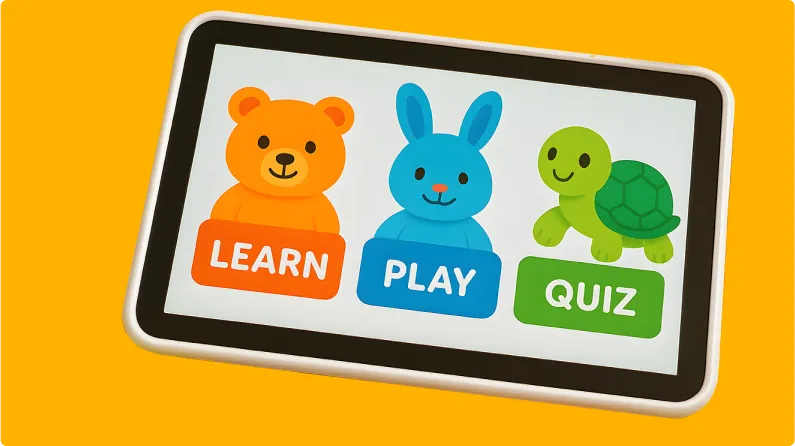
Traditional learning methods often rely on rote memorization and passive engagement, which can make it difficult for students to retain knowledge or stay motivated. Gamified learning apps offer an alternative by incorporating game-like elements such as points, levels, badges, and rewards into educational content. These elements create a sense of achievement and friendly competition, making learning fun and engaging.
In Omani schools, teachers are increasingly integrating these apps into classrooms to complement conventional teaching methods. By turning lessons into interactive challenges or quizzes, students are not only more engaged but also develop critical thinking, problem-solving, and decision-making skills. This approach transforms education from a task-oriented process into an exciting journey of exploration and discovery.
Enhancing Motivation and Engagement
One of the biggest challenges in education is keeping students motivated. Many students struggle to stay focused on subjects they find difficult or uninteresting. Gamified learning apps address this issue by tapping into students’ natural love for play and competition. When learning is presented in the form of games, students are more likely to participate actively and consistently.
In Oman, where the younger population is tech-savvy and highly connected to digital platforms, gamified learning resonates strongly. Students are drawn to apps that reward their progress, offer interactive experiences, and provide instant feedback. This constant reinforcement encourages continuous learning, making students feel capable and confident in their abilities.
Supporting Personalized Learning
Every student learns differently. Some may grasp concepts quickly, while others may need extra time and guidance. Gamified learning apps provide a level of personalization that traditional classrooms often struggle to achieve. These apps can adapt to each student’s pace, learning style, and proficiency, ensuring that no one is left behind.
In Omani classrooms, this personalization is especially valuable. Teachers can assign specific gamified tasks to students based on their strengths and weaknesses. For instance, a student struggling with mathematics can practice interactive math challenges at their own pace, while a student excelling in science can explore more advanced simulations and experiments. This approach not only improves learning outcomes but also reduces anxiety and frustration among students.
Encouraging Collaboration and Social Learning
Learning is not just an individual activity; collaboration plays a key role in developing interpersonal skills and teamwork. Many gamified learning apps include features that allow students to work together, compete in teams, or share achievements with peers. This fosters a sense of community and encourages students to learn from one another.
In Omani schools, where cultural values emphasize cooperation and respect, gamified apps can create meaningful social learning experiences. Group challenges, leaderboard competitions, and collaborative problem-solving activities help students build confidence, communication skills, and empathy. These skills are essential not only in academics but also in future workplaces and society.
Bridging the Gap Between Technology and Education
Oman has made significant strides in integrating technology into education, from digital classrooms to online resources. Gamified learning apps are a natural extension of this technological evolution. They bridge the gap between traditional education and modern digital experiences, making learning more relevant and relatable for today’s students.
By incorporating interactive elements, multimedia content, and real-world simulations, gamified apps provide an enriched learning environment. Students are exposed to concepts in a way that goes beyond textbooks, helping them understand how knowledge applies to real-life situations. This practical understanding encourages creativity, innovation, and critical thinking skills that are highly valued in the modern world.
Improving Learning Outcomes
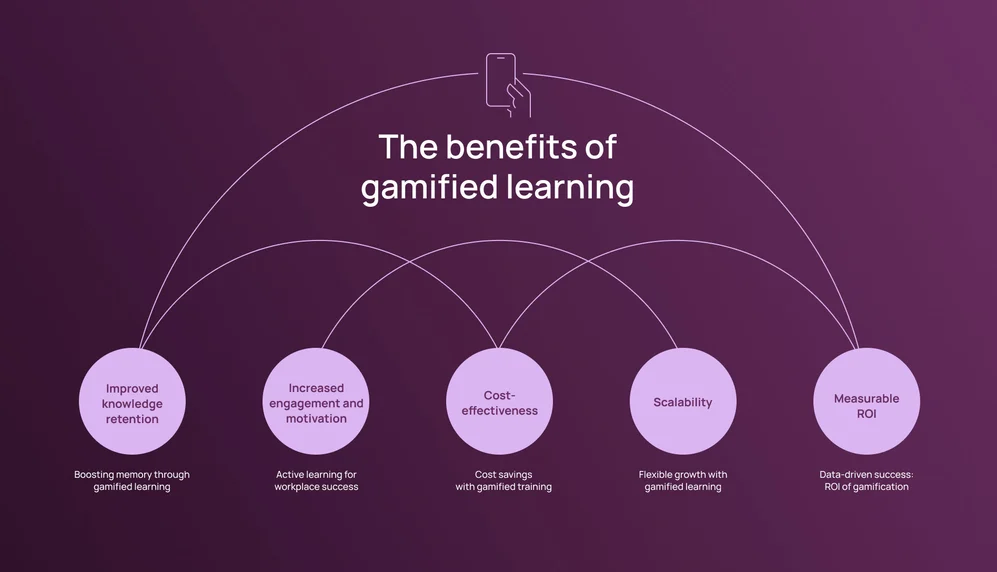
The ultimate goal of education is to equip students with knowledge, skills, and confidence. Gamified learning apps have been shown to improve learning outcomes by increasing engagement, motivation, and retention. When students are actively involved in the learning process, they are more likely to remember information, develop skills, and perform better in assessments.
In Oman, where the government is committed to advancing education and achieving global standards, gamified learning apps offer a strategic advantage. They provide a scalable solution for schools to enhance the quality of education, reduce learning gaps, and ensure that every student has access to engaging and effective learning experiences.
Overcoming Challenges in Implementation
While gamified learning apps offer numerous benefits, their successful implementation in Omani education requires careful planning. Teachers need training to effectively integrate apps into lessons, and schools must ensure that students have access to the necessary devices and internet connectivity.
Additionally, it is important to select apps that are culturally appropriate, age-appropriate, and aligned with the curriculum. Apps should also balance entertainment with educational value to ensure that learning remains the primary focus. By addressing these challenges, Omani schools can maximize the potential of gamified learning and create a sustainable, long-term impact on education.
The Future of Gamified Learning in Oman
The future of education in Oman looks promising with gamified learning apps at the forefront. As technology continues to evolve, these apps will become more sophisticated, offering virtual reality experiences, adaptive learning paths, and artificial intelligence-driven feedback. Students will have access to highly interactive, personalized, and immersive learning environments that make education not only effective but enjoyable.
Moreover, the adoption of gamified learning can inspire a culture of lifelong learning. By making learning engaging from an early age, students are more likely to develop curiosity, resilience, and a growth mindset. These traits are essential for success in higher education, professional careers, and personal development.
Conclusion
Gamified learning apps are transforming the educational landscape in Oman. By combining technology, interactivity, and game mechanics, these apps create engaging and effective learning experiences that motivate students, personalize learning, and encourage collaboration. They bridge the gap between traditional and modern education, improve learning outcomes, and prepare students for a rapidly evolving world.
For Oman, embracing gamified learning is not just about keeping up with global trends it is about empowering students to reach their full potential, fostering creativity, and cultivating a love for learning that lasts a lifetime. As more schools and educators recognize the benefits of gamified apps, the role of these tools in shaping the future of Omani education will only continue to grow stronger.
Do follow Gulf Magazine on Instagram.
Also Read – Inside Oman’s Schools: How Young Minds Spark Scientific Wonders

