

Oman is actively reshaping its education system to ensure students are ready for the demands of the digital economy. With technology advancing at an unprecedented pace, preparing young minds for the future workforce has become a national priority. Schools and universities across the country are embracing innovative teaching methods, emphasizing skills that go beyond traditional learning. Students are not just memorizing facts they are learning to think critically, solve complex problems, and adapt to a rapidly changing technological landscape.
The government recognizes that a digitally skilled workforce is crucial for national growth. By integrating digital literacy into curricula, Oman aims to equip students with the tools they need to excel in tech-driven industries. From coding and data analysis to artificial intelligence and cybersecurity, students are gaining exposure to the skills that modern employers demand.
Innovative Curriculum Design
One of the most significant steps Oman has taken is redesigning its educational curriculum. Traditional subjects are now supplemented with digital courses that encourage practical learning. Schools are introducing coding classes from early grades, while higher education institutions focus on advanced IT skills and emerging technologies.
The curriculum is designed to foster creativity and innovation. Students engage in hands-on projects that simulate real-world challenges, allowing them to apply their knowledge practically. This approach ensures that learners are not just passive recipients of information but active participants in building solutions. It also helps them develop confidence, teamwork, and leadership abilities, which are essential in digital economy careers.
State-of-the-Art Learning Facilities
Modern education requires modern facilities, and Oman has invested heavily in creating state-of-the-art learning environments. Classrooms equipped with smart boards, high-speed internet, and interactive learning software provide students with the resources they need to thrive.
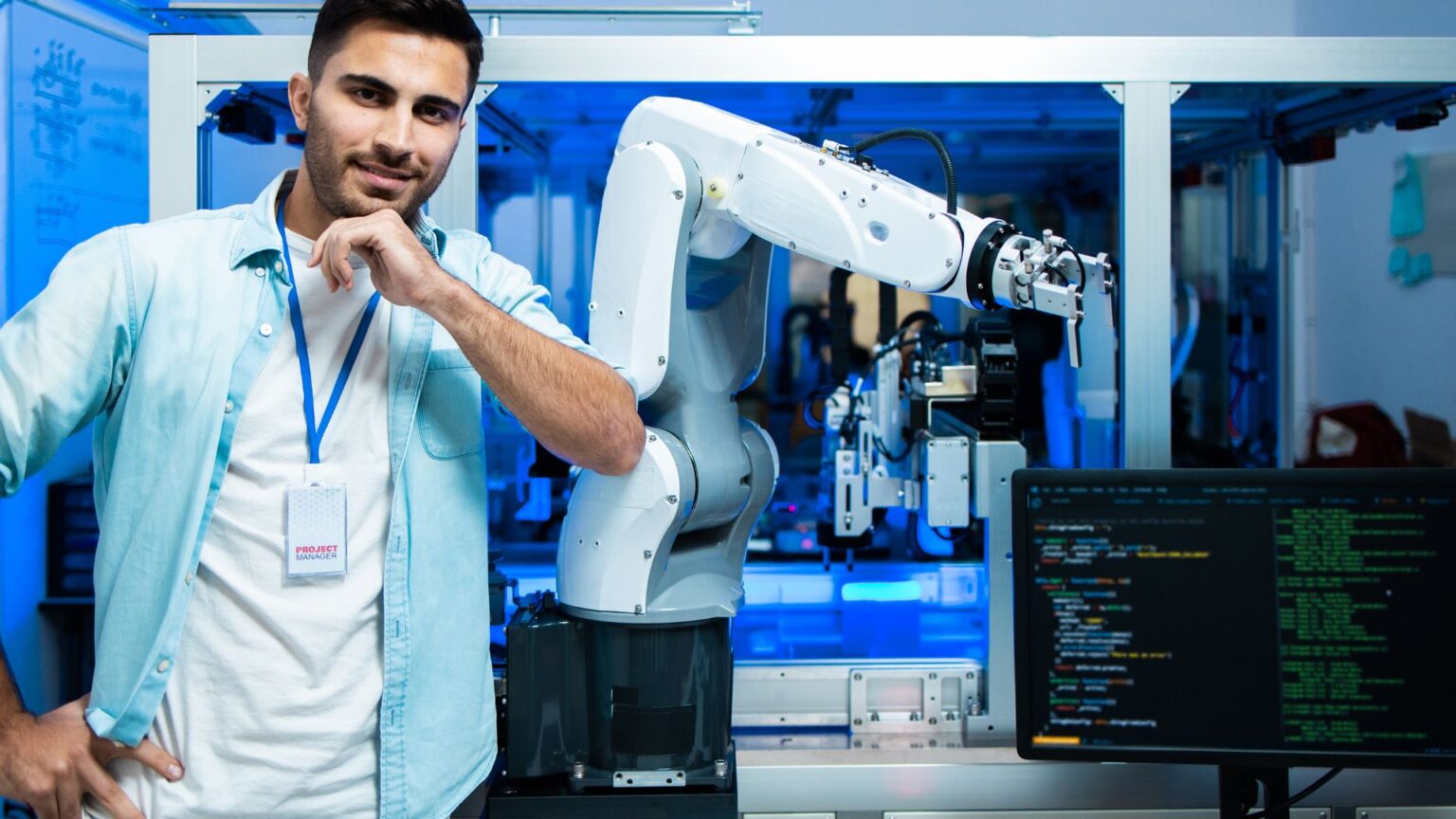
Universities and vocational training centers are offering specialized labs for robotics, software development, and digital media. These facilities allow students to experiment, innovate, and gain hands-on experience. By working with the same tools and technologies used in the professional world, learners are better prepared to transition into the workforce confidently.

Partnerships with Industry Leaders
Oman understands that preparing students for the digital economy is not just about education—it’s also about industry exposure. To bridge the gap between classroom learning and professional work, the government and educational institutions have formed partnerships with leading tech companies and startups.
These partnerships create opportunities for internships, mentorship programs, and industry-led workshops. Students gain insight into real-world applications of their skills and learn how to navigate professional environments. By interacting with professionals and understanding industry standards, students can refine their skills and align their learning with market needs.
Emphasizing Digital Literacy from Early Stages
Digital literacy is no longer optional; it is fundamental. Oman’s educational strategy emphasizes digital skills from the earliest stages of learning. Children are introduced to basic coding, digital communication, and safe internet practices at a young age.
By fostering comfort and familiarity with technology early, students develop the confidence to explore complex digital tools as they grow. This early exposure also nurtures curiosity, problem-solving, and analytical thinking, creating a strong foundation for future careers in the digital economy.
Promoting Entrepreneurship and Innovation
A thriving digital economy requires innovators and entrepreneurs who can create solutions to real-world problems. Oman encourages students to think beyond traditional employment and explore entrepreneurial opportunities.
Programs focused on startups, business simulation, and digital innovation competitions help students apply their technical skills in creative ways. These initiatives nurture an entrepreneurial mindset, teaching young individuals to identify opportunities, manage resources, and develop products or services that add value. By blending technology education with entrepreneurial training, Oman is shaping a generation of confident and capable innovators.

Building Soft Skills for the Digital Era
While technical skills are critical, Oman also recognizes the importance of soft skills in the digital economy. Communication, teamwork, problem-solving, and adaptability are emphasized across educational programs.
Students participate in collaborative projects, presentations, and group discussions that enhance their ability to work effectively in diverse environments. Employers in the digital economy seek professionals who can combine technical expertise with strong interpersonal skills. Oman’s approach ensures that students are not just skilled coders or analysts they are well-rounded individuals prepared to thrive in dynamic workplaces.
Encouraging Lifelong Learning
The digital economy is constantly evolving, and Oman’s education system emphasizes the value of lifelong learning. Students are encouraged to stay curious, continuously update their skills, and embrace new technologies throughout their careers.
Through online learning platforms, workshops, and continuous professional development programs, individuals can expand their knowledge and adapt to changing industry demands. This mindset ensures that Omani students remain competitive and relevant in a fast-paced, technology-driven world.
Cultivating a National Vision
Oman’s efforts to prepare students for the digital economy are part of a broader national vision. By investing in education, technology, and industry collaboration, the country aims to position itself as a hub for innovation and digital talent in the region.
Students trained under this vision are equipped not only with technical expertise but also with the confidence, creativity, and adaptability needed to drive the nation forward. By nurturing a generation ready for digital economy careers, Oman is ensuring long-term economic growth and sustainable development.
Conclusion
Oman’s commitment to preparing students for digital economy careers demonstrates forward-thinking leadership and dedication to youth empowerment. By combining innovative curricula, modern facilities, industry partnerships, and a focus on both technical and soft skills, the country is creating a future-ready workforce.
Students in Oman are not only learning to navigate the digital world they are learning to shape it. With the skills, confidence, and mindset fostered by these initiatives, they are prepared to seize opportunities, drive innovation, and contribute meaningfully to a thriving digital economy. Oman’s approach serves as a powerful example of how strategic investment in education can transform lives and fuel national growth.
Do follow Gulf Magazine on Instagram.
Also Read – Empowering Minds: The Rise of Online Language Learning in Oman

