

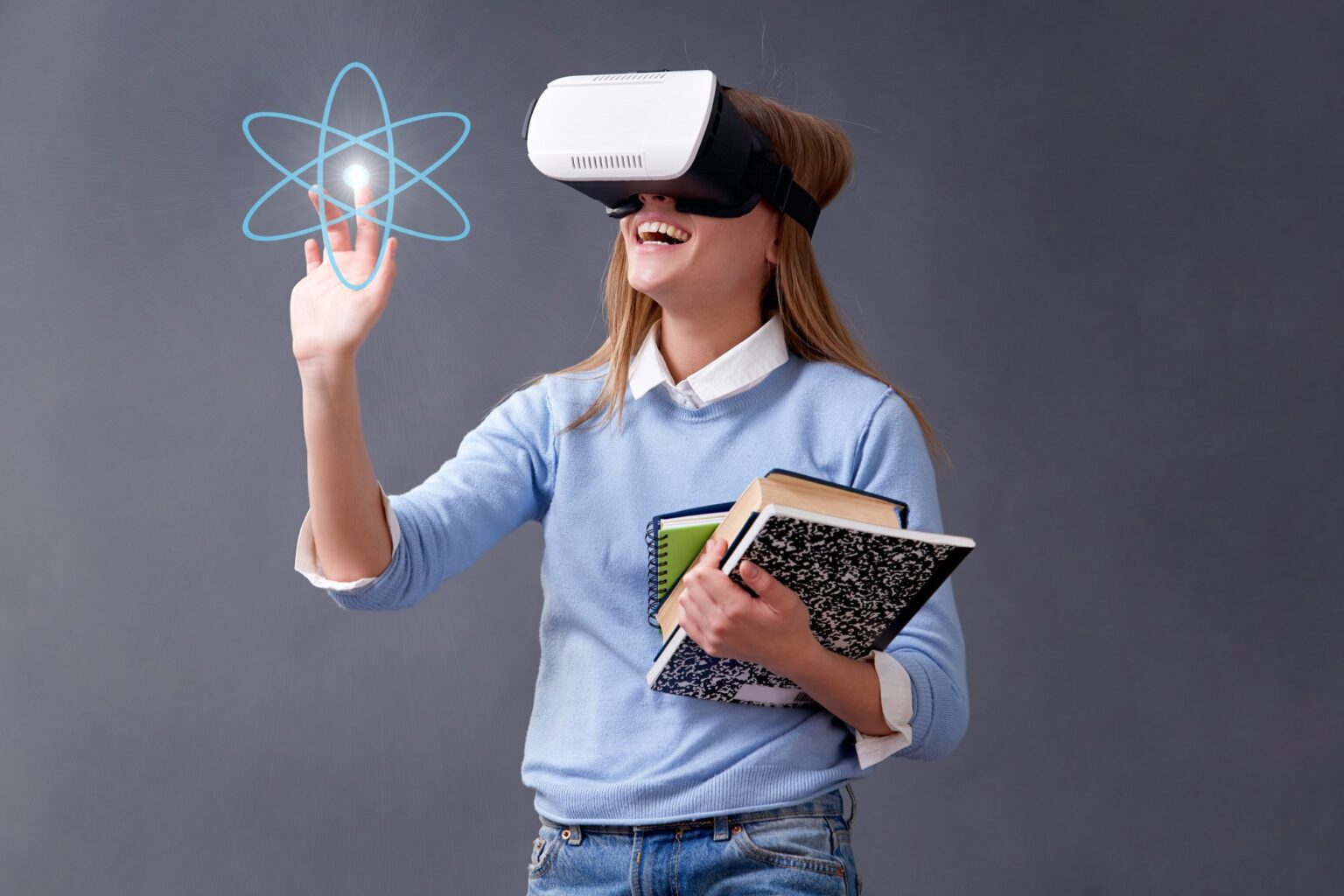
Introduction: A New Era in the Gulf
The Gulf region is witnessing a remarkable transformation as Augmented Reality (AR) and Virtual Reality (VR) technologies redefine the boundaries of entertainment and education. Once considered futuristic concepts, AR and VR have quickly become accessible tools, enabling immersive experiences that were previously unimaginable. From theme parks to classrooms, these technologies are not just reshaping industries they are creating entirely new ways of connecting people with content and knowledge.
The Gulf, known for its rapid adoption of cutting-edge technology and commitment to innovation, is now leading the way in implementing AR and VR solutions on a massive scale. Whether it’s offering tourists an unforgettable journey through a virtual world or helping students explore complex scientific concepts firsthand, the potential of these technologies is limitless.
AR and VR Revolutionizing Entertainment
Entertainment has always been about creating experiences that captivate and engage audiences. AR and VR technologies elevate this experience to unprecedented levels. In theme parks and resorts across the Gulf, visitors can now step into fully interactive worlds where digital content merges seamlessly with the physical environment. VR headsets allow people to explore fantastical worlds, while AR apps overlay digital elements on top of real-life surroundings, enhancing every visit with personalized, interactive storytelling.
Concerts and live events have also embraced these technologies. Imagine attending a concert in Dubai where AR visual effects surround performers in real-time or a VR experience that places fans at the front row of an international sporting event without leaving their homes. These immersive experiences are transforming how audiences perceive entertainment, making it more engaging and memorable than ever before.
Gaming is another area where AR and VR have made a dramatic impact. Game developers in the Gulf are creating interactive worlds where players physically move, explore, and interact with their environment. These innovations not only make games more thrilling but also encourage social interaction and physical activity, merging fun with health-conscious experiences.
Transforming Education Through Immersive Learning
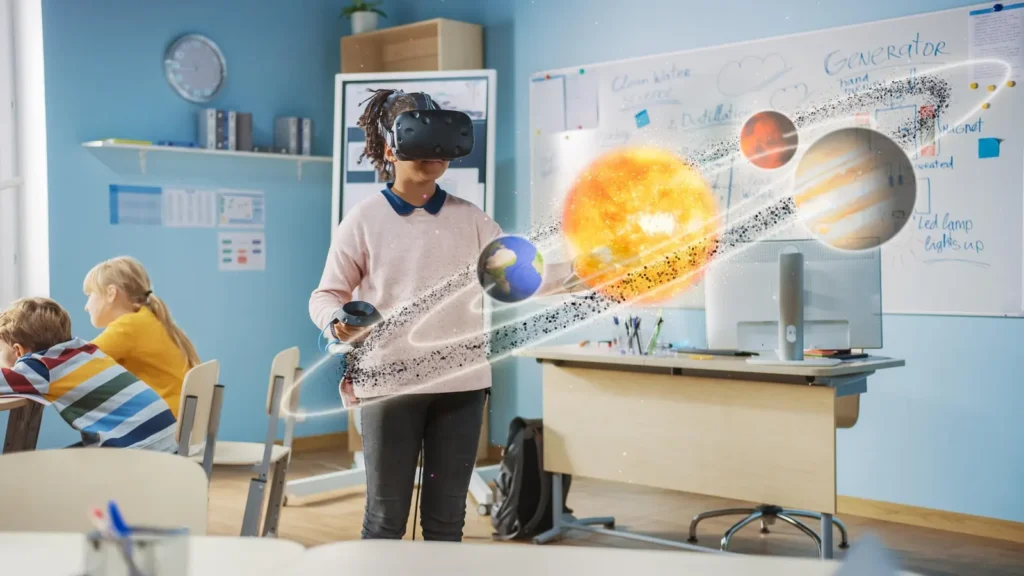
The educational landscape in the Gulf is undergoing a revolutionary shift thanks to AR and VR. Traditional classrooms are now complemented by immersive learning environments where students can visualize abstract concepts and engage with material in ways textbooks cannot offer.
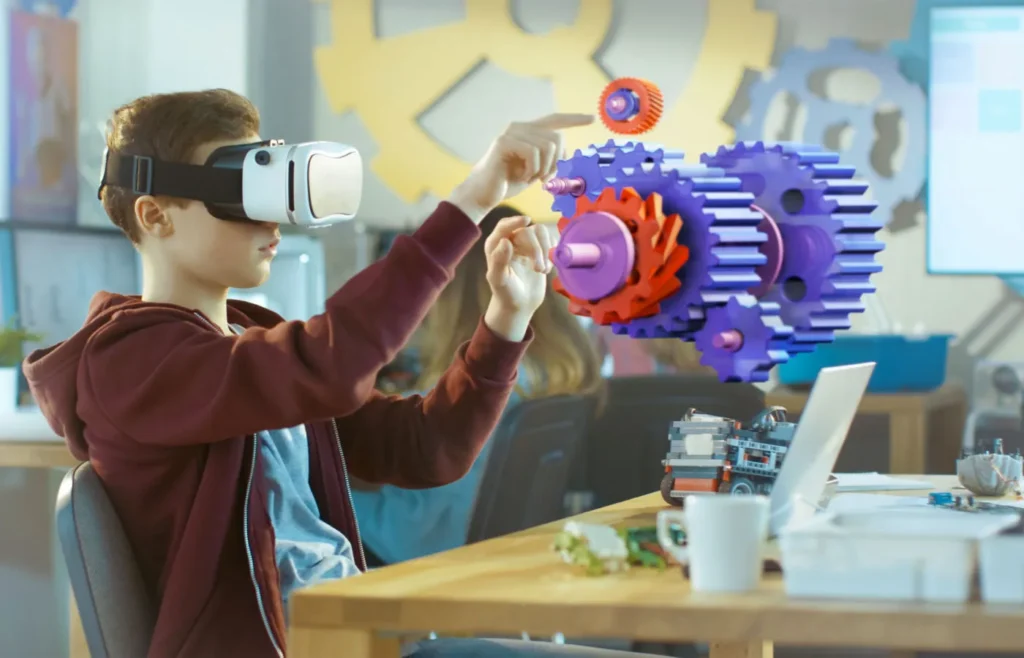
In science education, VR simulations allow students to conduct virtual experiments safely and efficiently, reducing risks associated with chemical or physical experiments. Biology lessons come alive as students explore the human body in 3D, navigating through organs and systems in a fully interactive manner. Even complex subjects like physics or engineering become more understandable when learners can manipulate virtual objects and observe real-time reactions.
AR also plays a critical role in education by overlaying digital information onto physical spaces. For example, a history lesson in a museum can come alive as students point their devices at exhibits, instantly accessing multimedia content, interactive maps, and 3D reconstructions of historical events. This not only enhances understanding but also fosters curiosity and critical thinking.
Language learning benefits immensely from AR and VR as well. Students can practice conversations with AI-driven virtual characters, experience cultural immersion, and develop confidence in real-world scenarios. By bridging the gap between theory and practice, these technologies provide an enriched educational experience that is both effective and engaging.
Driving Innovation in Corporate Training
Beyond schools and universities, AR and VR are increasingly used in corporate training programs across the Gulf. Businesses are leveraging these technologies to train employees in complex tasks, improve safety protocols, and enhance professional development.
In industries such as aviation, healthcare, and oil and gas, VR simulations allow employees to practice critical procedures in risk-free virtual environments. This reduces errors, saves time, and ensures a higher level of preparedness in real-world situations. AR, on the other hand, can guide technicians through maintenance tasks or complex assembly processes, providing step-by-step instructions overlaid directly on equipment.
These immersive solutions not only enhance efficiency but also foster confidence among employees. The Gulf’s commitment to adopting innovative business practices has made AR and VR training programs an integral part of workforce development strategies, setting a new standard for corporate learning.
Cultural and Heritage Preservation
The Gulf’s rich cultural heritage and history are also benefiting from AR and VR technologies. Museums and cultural centers are embracing these tools to create interactive exhibits that appeal to both residents and tourists.
Virtual tours of historic sites allow people to experience landmarks that may otherwise be inaccessible due to geographic or physical constraints. AR applications overlay historical narratives and 3D reconstructions onto real-world locations, helping visitors understand the evolution of architecture, traditions, and lifestyle over centuries.
For younger generations, these experiences make history tangible and engaging, sparking interest and pride in cultural heritage. At the same time, tourists can enjoy immersive experiences that bring Gulf history and traditions to life, enhancing tourism and creating lasting memories.
Enhancing Healthcare and Therapy
The applications of AR and VR extend to healthcare, offering transformative solutions in therapy, rehabilitation, and medical education. VR can be used for pain management, exposure therapy, and even treating mental health conditions such as anxiety or phobias. Patients are immersed in controlled virtual environments, enabling safer and more effective therapeutic interventions.
Medical students and professionals also benefit from these technologies by practicing surgical procedures or medical simulations in virtual settings. This allows for mistakes and learning in a risk-free environment, ultimately improving patient outcomes.
By integrating AR and VR into healthcare, the Gulf is setting a precedent for advanced medical training and patient care, demonstrating the far-reaching impact of these technologies beyond entertainment and education.
Economic Impact and Industry Growth
The adoption of AR and VR in the Gulf is driving significant economic growth. Investments in technology, infrastructure, and talent development are creating new job opportunities and encouraging local startups to innovate. The entertainment, education, healthcare, and tourism sectors are all experiencing rapid modernization, attracting international attention and partnerships.
As these technologies become more widespread, they also encourage entrepreneurship and skill development in software development, design, and 3D modeling. The Gulf is becoming a hub for AR and VR innovation, positioning itself as a global leader in immersive technology applications.
Overcoming Challenges
While AR and VR offer immense potential, their implementation comes with challenges. High initial costs, limited content availability, and technical limitations can hinder widespread adoption. Additionally, educators and businesses must be trained to effectively integrate these technologies into their practices.
However, the Gulf’s proactive approach to technology adoption, government support, and partnerships with international tech leaders are helping overcome these obstacles. By investing in research, development, and training, the region is creating an ecosystem that supports sustainable growth of AR and VR applications.
Future Prospects: Endless Possibilities
Looking ahead, the possibilities for AR and VR in the Gulf are virtually limitless. Smart cities, immersive tourism, AI-driven virtual classrooms, and personalized entertainment experiences are just the beginning. As technology continues to advance, AR and VR will become even more accessible, interactive, and impactful.
The integration of AR and VR into daily life promises a future where education is more engaging, entertainment more immersive, and professional training more effective. By embracing these technologies, the Gulf is not only transforming industries but also inspiring a culture of innovation, creativity, and exploration.
Conclusion: A Transformative Journey
AR and VR technologies are redefining the way people in the Gulf learn, play, and experience the world. From classrooms to concert halls, museums to hospitals, these immersive tools are creating unforgettable experiences and unlocking new opportunities for growth and development.
The Gulf’s commitment to embracing innovation ensures that it will remain at the forefront of AR and VR advancements. As these technologies continue to evolve, they will shape a future that is interactive, inspiring, and full of possibilities revolutionizing both entertainment and education in ways that were once only imagined.
Do follow Gulf Magazine on Instagram.
Also Read – Gulf Governments Embrace Advanced Cybersecurity Innovations for Safety

