

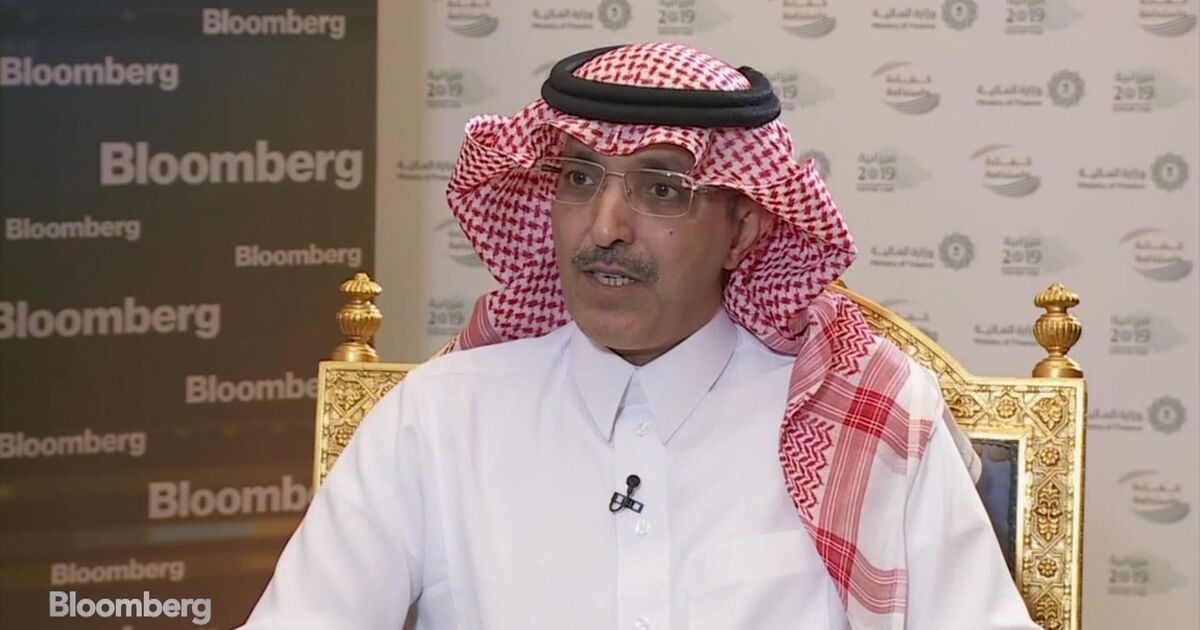
Mohammed Al-Jadaan, Saudi Arabia’s Minister of Finance, has played a significant role in shaping the country’s economic policies and financial strategies. Under his leadership, Saudi Arabia has introduced major reforms to modernize its economy, attract investments, and ensure sustainable growth. His efforts align with the ambitious Vision 2030 initiative, aimed at diversifying the economy beyond oil revenues.
A Visionary Leader in Saudi Finance
Since his appointment as Minister of Finance in 2016, Mohammed Al-Jadaan has led key initiatives to enhance the country’s financial stability. His policies focus on fiscal discipline, reducing budget deficits, and improving transparency in financial management. By implementing economic reforms, he has helped Saudi Arabia become a more attractive destination for global investors.
One of his major achievements has been the introduction of new tax policies, such as the Value-Added Tax (VAT), which has provided the government with additional revenue sources. He has also worked to boost non-oil sectors, including tourism, entertainment, and technology, which are essential for long-term economic growth.
Key Economic Reforms and Achievements
Under Al-Jadaan’s leadership, Saudi Arabia has introduced a range of economic reforms that have had a significant impact. These include:
- Privatization of State-Owned Enterprises: To increase efficiency and attract foreign investment, the government has privatized key sectors, including healthcare, transportation, and education. This has allowed for better services and job creation while reducing the financial burden on the government.
- Foreign Investment Attraction: The introduction of investor-friendly policies, such as allowing 100% foreign ownership in various sectors, has led to increased foreign direct investment (FDI). This has particularly benefited industries such as renewable energy, mining, and infrastructure.
- Debt Management Strategy: Saudi Arabia has successfully issued government bonds and sukuk (Islamic bonds) to diversify its funding sources while maintaining a strong credit rating. These measures have ensured financial stability and helped fund major infrastructure projects.
- Taxation and Revenue Diversification: The implementation of VAT and excise taxes on products such as tobacco and sugary drinks has provided new revenue streams. These measures help reduce dependency on oil revenue while funding essential public services.
- Support for Small and Medium Enterprises (SMEs): The government has launched several initiatives to support SMEs, including financial assistance programs, relaxed regulatory requirements, and funding opportunities through institutions like the Saudi Industrial Development Fund (SIDF). This aims to create more job opportunities and stimulate entrepreneurship.
- Job Market Reforms: Saudi Arabia has introduced Saudization policies, requiring companies to hire a certain percentage of local workers. These policies ensure that more Saudis are employed in key industries while reducing reliance on expatriate labor.
- Infrastructure and Digital Transformation: Investment in infrastructure, including the expansion of ports, roads, and telecommunications networks, has significantly improved the ease of doing business in Saudi Arabia. The country has also embraced digital transformation, promoting e-governance and fintech to modernize its economy.
These reforms have strengthened Saudi Arabia’s financial position and have prepared the country for a more resilient economic future.
Challenges and Strategies for Economic Growth
While Saudi Arabia has made significant progress under Al-Jadaan’s leadership, there are still challenges that need to be addressed. One of the primary challenges is reducing dependence on oil revenue while ensuring economic stability. The government has introduced several initiatives, including the Saudi Green Initiative, which aims to promote sustainable development and reduce carbon emissions.
Another challenge is managing inflation and ensuring job creation for the country’s growing population. Al-Jadaan has been actively working on labor market reforms, encouraging local employment, and supporting small and medium-sized enterprises (SMEs) to stimulate economic growth.
Impact of Vision 2030 and Future Plans
Vision 2030 is at the core of Saudi Arabia’s transformation strategy, and Al-Jadaan has played a crucial role in its implementation. The plan focuses on reducing oil dependency, promoting digital transformation, and fostering a knowledge-based economy.
One of the major projects under Vision 2030 is NEOM, a futuristic city designed to attract global talent and investment. Al-Jadaan’s financial policies ensure that such mega-projects are well-funded and efficiently managed.
The Saudi government has also been investing heavily in technological innovation, fintech, and artificial intelligence to position the country as a global leader in these fields. Al-Jadaan’s role in securing funding and overseeing financial regulations has been critical in driving these advancements.
Why Mohammed Al-Jadaan’s Leadership Matters
Al-Jadaan’s leadership has been instrumental in shaping Saudi Arabia’s economic landscape. His expertise in financial planning, investment policies, and fiscal management has contributed to the country’s stability and growth. His ability to implement reforms while ensuring economic resilience makes him one of the key figures in Saudi Arabia’s transformation journey.
With continued efforts in financial reforms, investment attraction, and economic diversification, Saudi Arabia is well-positioned to achieve its Vision 2030 goals. Al-Jadaan’s strategic approach and commitment to economic progress ensure that the country remains a leading force in the global economy.
Conclusion
Mohammed Al-Jadaan has played a vital role in Saudi Arabia’s economic transformation. His focus on financial stability, investment attraction, and diversification has positioned the country for long-term growth. As Saudi Arabia moves forward with its Vision 2030 objectives, Al-Jadaan’s leadership will continue to be a driving force behind the nation’s success. His efforts ensure that Saudi Arabia remains a competitive and resilient economy in the global market.
Do follow on Instagram
Gulf Nations Shaping Future with Finance, Technology, and Tourism

