

The Rise of Smart Mobility in the Gulf
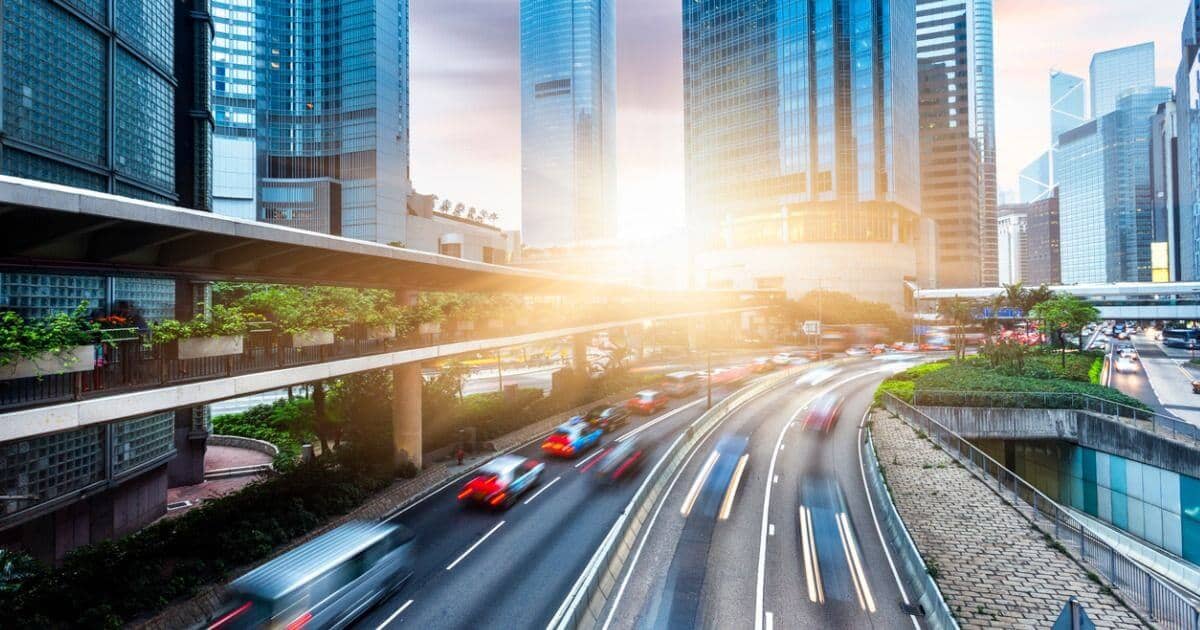
In recent years, Gulf cities have emerged as some of the most ambitious players in reshaping urban transportation. With rapid urbanization, growing populations, and the pressure to reduce congestion, governments across the Gulf Cooperation Council (GCC) have embraced smart mobility as a cornerstone of sustainable development. This transformation is not only about convenience but also about improving quality of life, boosting economic productivity, and addressing environmental challenges.
Smart mobility is more than just technology-driven transport. It represents a holistic approach to how people and goods move efficiently within cities. From intelligent traffic systems and autonomous vehicles to electric buses and shared mobility platforms, Gulf nations are making bold investments in creating modern transportation ecosystems that are both innovative and sustainable.
Urban Growth and Transportation Challenges
The Gulf region has experienced explosive growth over the past few decades. Cities like Dubai, Riyadh, Doha, and Abu Dhabi have expanded into global hubs for business, tourism, and innovation. But this rapid progress has also brought challenges. Traffic congestion, high vehicle dependency, and rising carbon emissions are pressing concerns.
Traditional transportation methods alone cannot handle the pace of urbanization in the Gulf. A city designed for car ownership eventually struggles with overcrowded roads, limited parking, and inefficient fuel consumption. Recognizing this, leaders in the region have begun implementing forward-thinking strategies to create a balanced mix of private, public, and shared transport solutions powered by smart technologies.
Electric Mobility Revolution
One of the most visible aspects of smart mobility in the Gulf is the shift towards electric vehicles (EVs). Governments have rolled out incentives for EV adoption, developed charging infrastructure, and even launched electric taxi services. This transition is motivated by both environmental and economic factors.
Electric vehicles reduce dependency on fossil fuels while cutting harmful emissions, aligning with the Gulf’s vision for sustainable living. Charging stations are being installed across highways, malls, and residential areas, making EVs more accessible to citizens and tourists. Some cities are also exploring electrified buses and metro systems, ensuring large-scale transportation remains eco-friendly.
Autonomous Vehicles and the Future of Driving
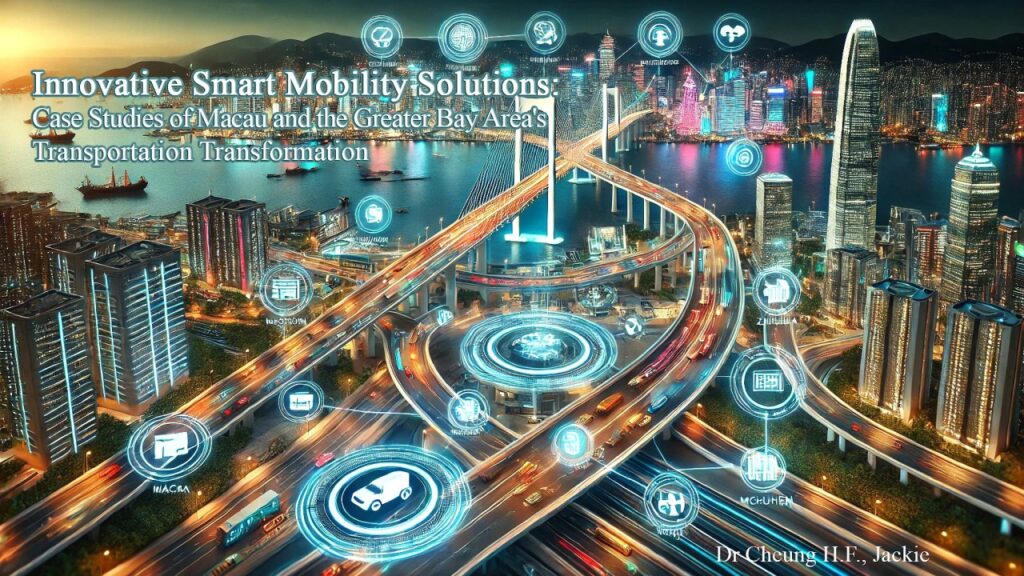
Few regions have shown as much enthusiasm for autonomous vehicles (AVs) as the Gulf. Driverless shuttles are being tested in business districts and residential areas, while partnerships with global technology firms are accelerating the deployment of AV solutions.
For Gulf cities, AVs are more than a futuristic concept. They represent an opportunity to improve safety, reduce accidents caused by human error, and optimize traffic flow. By integrating artificial intelligence and sensor technologies, autonomous vehicles can navigate complex road networks and communicate with smart traffic signals.
In the long run, AVs could become part of daily commuting, logistics, and even public transportation, offering seamless travel experiences for millions of residents and visitors.
Shared Mobility and Ride-Hailing Platforms
Another significant trend shaping Gulf transportation is the rise of shared mobility. Ride-hailing services, carpooling apps, and bike-sharing schemes are helping to reduce the number of vehicles on the road while making commuting more affordable.
Ride-hailing platforms have already become a daily part of urban life. They not only ease congestion but also provide flexible job opportunities for many residents. With integration into smart city frameworks, ride-hailing services are evolving to include electric and autonomous options in the near future.
Bike and e-scooter sharing, though relatively new, is growing quickly in Gulf cities. These micro-mobility options are especially useful for short trips and connecting people to metro or bus stations. They also promote healthier lifestyles while reducing environmental impact.
Smart Public Transportation Systems
While private mobility solutions are gaining momentum, public transportation remains the backbone of any sustainable city. Gulf nations are investing heavily in smart public transport infrastructure that is efficient, reliable, and technology-driven.
Metro systems in Dubai, Riyadh, and Doha are designed with automation, real-time monitoring, and digital ticketing. Smart buses equipped with Wi-Fi and GPS provide comfort and accessibility to daily commuters. The integration of transport apps allows residents to plan routes, track bus timings, and pay seamlessly using digital wallets.
By offering high-quality alternatives to private cars, Gulf cities are encouraging citizens to embrace public transport as a convenient and sustainable choice.
Digital Transformation and Data-Driven Mobility
A defining feature of smart mobility is its reliance on data. Gulf cities are leveraging big data, artificial intelligence, and the Internet of Things (IoT) to monitor traffic patterns, predict congestion, and optimize road usage.
Intelligent Traffic Management Systems (ITMS) are being deployed to synchronize traffic lights, detect accidents instantly, and redirect vehicles to less crowded routes. Smart sensors embedded in roads and parking areas provide real-time data, reducing wasted fuel and time spent searching for parking.
For city planners, this data-driven approach allows them to design future mobility projects based on actual user behavior and demand. It ensures that investments are directed where they can deliver the most impact.
Sustainability and Environmental Goals
Environmental sustainability is at the heart of mobility transformation in the Gulf. The shift towards smart and green transportation aligns with national visions like Saudi Arabia’s Vision 2030 and the UAE’s Net Zero commitments.
Reducing greenhouse gas emissions, cutting air pollution, and conserving energy are major priorities. Smart mobility contributes directly to these goals by promoting EV adoption, investing in public transportation, and creating low-emission zones in urban areas.
Additionally, urban planning is being redesigned to prioritize pedestrian-friendly zones, green corridors, and cycling paths. This shift not only improves mobility but also enhances the liveability of Gulf cities.
Tourism and Smart Mobility
Tourism plays a central role in the Gulf economy, and smart mobility solutions are being tailored to enhance visitor experiences. From smart airport transfers to AI-powered navigation apps, tourists benefit from smooth, stress-free travel within Gulf cities.
Driverless taxis, metro systems connected to shopping districts, and digital ticketing apps provide convenience and efficiency for millions of international visitors each year. By ensuring seamless connectivity, Gulf nations are strengthening their global reputation as future-ready destinations.

Economic Impact and Job Creation
The rise of smart mobility is also contributing to economic diversification. By investing in electric vehicle manufacturing, charging infrastructure, software platforms, and autonomous vehicle research, Gulf countries are creating new industries and job opportunities.
Smart mobility startups are gaining ground, supported by incubators and government-backed initiatives. From app developers to data analysts, a new generation of professionals is entering the workforce with skills relevant to the digital transportation era.
Furthermore, by reducing congestion and improving logistics, businesses benefit from lower transportation costs and higher efficiency, which positively impacts the regional economy.
Social Inclusion and Accessibility
Smart mobility is not just about technology it is also about creating inclusive transportation systems. Gulf cities are ensuring that new solutions cater to all groups, including the elderly, people with disabilities, and low-income residents.
Accessibility features in metro systems, smart ticketing options, and affordable shared mobility platforms ensure that no one is left behind. This inclusive approach fosters stronger communities and improves overall social wellbeing.
Future Outlook for Gulf Transportation
The journey towards smart mobility in Gulf cities is still unfolding, but the momentum is undeniable. Over the next decade, residents can expect to see more autonomous shuttles, wider EV adoption, integrated transport apps, and greener city designs.
International partnerships with technology companies will accelerate innovation, while government policies will continue to encourage sustainable adoption. With clear goals set under national development visions, Gulf nations are on track to become global leaders in smart transportation.
Conclusion
Smart mobility is transforming Gulf cities into hubs of innovation, sustainability, and connectivity. From electric vehicles and autonomous shuttles to advanced metro systems and shared mobility platforms, the region is rewriting the future of urban transportation.
By embracing technology, sustainability, and inclusivity, Gulf nations are not only addressing immediate urban challenges but also creating long-term benefits for residents, tourists, and businesses. This commitment to progress ensures that the Gulf remains a shining example of how smart mobility can shape better cities for generations to come.
Do follow Gulf Magazine on Instagram.
Also Read – Blockchain Empowering Gulf Supply Chains with Trust and Transparency

