

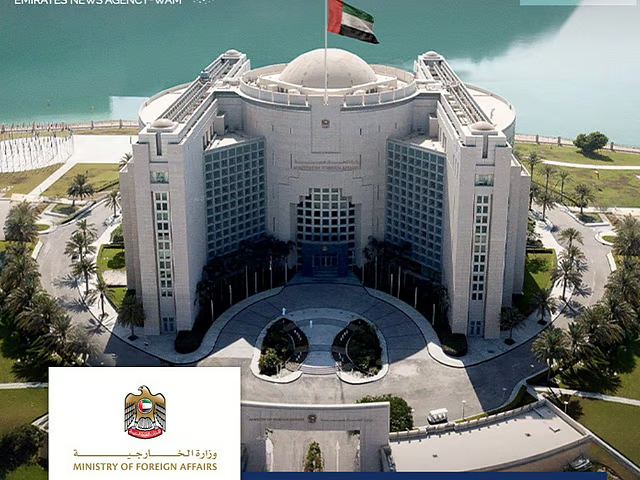
Sudan peace and security has become a global concern as violence, instability, and humanitarian crises continue to deepen in the country. In a strong display of diplomatic collaboration, the United Arab Emirates (UAE), Egypt, Saudi Arabia, and the United States have issued a joint statement calling for urgent steps to restore peace and stability in Sudan. The coordinated effort highlights the international community’s growing determination to stop the suffering of millions of Sudanese people and to push the warring parties toward a peaceful solution.
Why Sudan peace and security matters
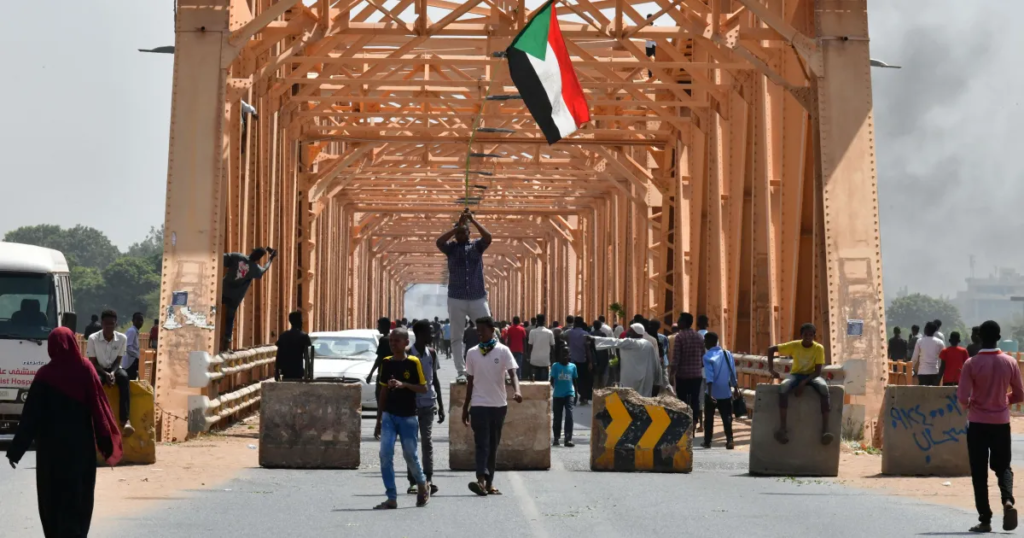
Sudan, a country of more than 45 million people, has been caught in a spiral of conflict since clashes erupted between the Sudanese Armed Forces (SAF) and the paramilitary Rapid Support Forces (RSF) in April 2023. What started as a power struggle quickly turned into a devastating war, leading to thousands of deaths, displacement of millions, widespread hunger, and the destruction of essential infrastructure.
Peace and security in Sudan is not only a regional issue but also a global priority. The ongoing instability threatens to spill over into neighboring countries, disrupt trade routes, and worsen the humanitarian crisis in Africa. With Sudan being strategically located near the Red Sea and bordering several nations already facing instability, the stakes are high.
The joint statement by UAE, Egypt, Saudi Arabia, and the United States signals recognition of the urgent need for coordinated international pressure and support for Sudan.
The joint statement: A unified call for Sudan peace and security
In their joint message, the four nations stressed the following key points:
- An immediate ceasefire is essential to stop the bloodshed.
- Both the SAF and RSF must return to dialogue and respect the will of the Sudanese people.
- Humanitarian corridors must be protected to allow aid to reach civilians in need.
- All foreign interference that fuels the conflict must stop.
- Sudan’s sovereignty, unity, and territorial integrity must remain intact.
The statement underlined that only a political solution, not military escalation, can restore Sudan peace and security. The countries pledged to work closely with African and international partners to encourage negotiations and provide humanitarian support.
Regional powers and their stake in Sudan
The involvement of the UAE, Egypt, and Saudi Arabia reflects Sudan’s importance to the Middle East and North Africa region. Each of these countries has strong historical, economic, and security ties to Sudan.
- Egypt shares deep cultural and historical connections with Sudan, as well as vital interests related to the Nile River. Instability in Sudan directly affects Egypt’s water security and border safety.
- Saudi Arabia sees stability in Sudan as critical for Red Sea security and trade routes. The Kingdom also has a history of mediating regional conflicts.
- The UAE has emerged as an influential player in regional diplomacy and humanitarian aid, making its role central in pushing for peace.
Their joint alignment with the United States adds significant weight to international efforts. The US, with its long-standing engagement in Sudanese affairs, provides global credibility and diplomatic leverage to the initiative.
Humanitarian urgency behind the push for peace
The humanitarian consequences of the conflict are staggering. Reports indicate that more than 10 million people have been displaced within and outside Sudan since the fighting began. Entire towns have been reduced to rubble, hospitals destroyed, and millions are facing acute hunger.
The joint statement stressed that peace and security in Sudan must be restored not just for political stability, but also to save lives. The four countries urged both parties to allow unrestricted humanitarian access, emphasizing that aid organizations must be able to operate safely and effectively.
Food insecurity, lack of medical supplies, and a collapsing economy are leaving millions at risk. For the international community, inaction could mean watching one of the world’s worst humanitarian crises worsen.
Past efforts and the way forward
Previous attempts to end the conflict in Sudan have not yielded lasting results. Ceasefires brokered by regional and global players have often collapsed within days. Trust between the warring parties remains fragile, with each side accusing the other of breaking agreements.
This latest joint effort by UAE, Egypt, Saudi Arabia, and the US aims to break the cycle by presenting a unified front. The statement is not just symbolic; it is a call for actionable steps that combine diplomatic pressure with humanitarian support.
Experts believe that success will depend on:
- Ensuring both sides commit to negotiations without preconditions.
- Providing a neutral platform for talks, possibly mediated by African Union or Arab League partners.
- Coordinating international aid to rebuild essential services.
- Creating accountability mechanisms to ensure ceasefire violations are addressed.
The global dimension of Sudan’s crisis
While Sudan’s conflict is internal, its effects are being felt far beyond its borders. Refugees are pouring into neighboring Chad, South Sudan, and Egypt, putting pressure on already fragile systems. Smuggling routes for weapons and people are expanding, adding to regional instability.
The Red Sea, a vital waterway for global trade and energy supplies, is also at risk if Sudan descends further into chaos. Global powers, therefore, have both moral and strategic reasons to push for Sudan peace and security.
Challenges in achieving peace and security
Despite the strong wording of the joint statement, challenges remain:
- Deep mistrust between SAF and RSF: Both sides view each other as existential threats.
- Foreign involvement: Reports suggest that external actors are fueling the conflict by supplying weapons and funds.
- Weak governance structures: Even if fighting stops, Sudan lacks a functioning civilian authority to lead reconciliation and rebuilding.
- Humanitarian access: Aid operations face immense obstacles due to insecurity and blockades.
Addressing these challenges will require sustained commitment from the international community, not just temporary interventions.
A message of hope for Sudanese people
For the millions of Sudanese trapped in violence and displacement, the joint statement offers a glimmer of hope. While words alone cannot stop the bullets, a coordinated international stance can pave the way for serious negotiations.
By calling for unity, dialogue, and humanitarian relief, the UAE, Egypt, Saudi Arabia, and the United States have signaled that Sudan is not forgotten. Their message is clear: peace and security in Sudan is possible if all parties, both inside and outside the country, prioritize the well-being of the people over military gains.
Conclusion: The path ahead for Sudan peace and security
Sudan peace and security remains one of the most urgent crises in the world today. The joint statement by the UAE, Egypt, Saudi Arabia, and the United States is a crucial step in reminding the world that the suffering of millions cannot be ignored.
Restoring stability will require patience, cooperation, and trust-building. The road will be long and difficult, but without such efforts, Sudan risks further collapse, which will harm not just its own citizens but the wider region.
As the world watches, the responsibility lies with both Sudanese leaders and the international community to ensure that the vision of peace and security in Sudan becomes a reality.
Do follow us: Instagram
Read More: Kuwait’s Investment Banking Sector: Poised for Growth Amid Strategic Innovation

