


Introduction
Transforming Oman’s Ports Through Cutting-Edge Digital Innovation,Oman is rapidly emerging as one of the most forward-looking nations in the Gulf when it comes to reimagining trade and logistics through the use of digital technologies. The nation has long held a strategic geographical advantage, sitting at the crossroads of vital global shipping lanes that connect Asia, Africa, and Europe. In recent years, however, the country has begun to focus not only on leveraging its location but also on modernizing its maritime infrastructure through the creation of smart ports. By integrating artificial intelligence, automation, Internet of Things (IoT) applications, and blockchain, Oman is reshaping the way goods move in and out of its borders.
The idea of a smart port goes beyond modern cranes or faster ships. It represents a complete ecosystem that combines physical operations with advanced digital platforms, ensuring efficiency, transparency, sustainability, and long-term competitiveness. Oman’s journey toward smart port development is both ambitious and inspiring, making it a model for other nations that wish to embrace digital transformation in logistics.
Strategic Importance of Oman’s Ports
Oman’s ports such as Duqm, Sohar, and Salalah are not just national assets but global gateways. They play a pivotal role in connecting international supply chains. For centuries, Oman has served as a hub of maritime trade thanks to its long coastline and proximity to major sea routes. What makes the current transformation especially significant is that the country is not content with merely being a transit point. Instead, it is positioning itself as a digital hub where efficiency, security, and sustainability become the defining characteristics of trade.
The strategic importance of these ports is heightened by the fact that global shipping faces mounting challenges. From congestion at major hubs to the need for more sustainable practices, the pressure is on for ports to innovate. Oman’s decision to adopt digital technologies is a timely response to these global shifts, ensuring that it remains ahead of the curve.
Digital Technology as the Driving Force
The smart port transformation in Oman is rooted in its strong embrace of digital solutions. These include automation of terminal operations, AI-powered logistics systems, blockchain-enabled trade documents, and IoT sensors for real-time tracking. Each of these technologies works together to create a seamless experience for shipping companies, logistics firms, and port operators.
Artificial intelligence is used to predict cargo flows, optimize container placement, and minimize waiting times for ships. Blockchain ensures transparency by reducing paperwork and speeding up customs clearance. IoT sensors allow for better maintenance of equipment, monitoring of shipments, and detection of issues before they become critical. Together, these tools reduce costs, improve efficiency, and make Oman’s ports more attractive for international trade.
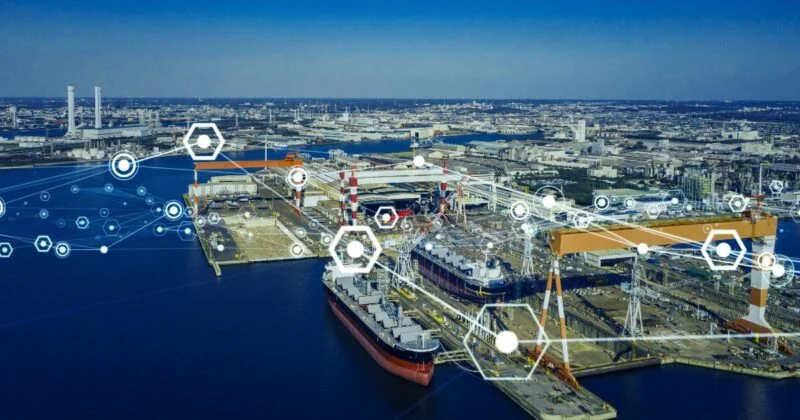
Automation and Artificial Intelligence
One of the most visible aspects of smart ports is automation. In Oman’s ports, cranes, vehicles, and terminal operations are increasingly managed with limited human intervention. Automated cranes can load and unload containers faster and with greater accuracy, while driverless vehicles can move goods across the terminal with efficiency and safety.
Artificial intelligence supports these automated systems by analyzing data and making decisions in real-time. For example, AI can forecast traffic peaks, allocate docking slots more effectively, and suggest the most efficient paths for cargo movement. This reduces delays, enhances productivity, and ensures that operations run smoothly even under heavy demand.
Blockchain for Secure and Transparent Trade
Paperwork has long been a bottleneck in global trade, often leading to delays, fraud, and unnecessary costs. By embracing blockchain technology, Oman’s ports are reducing reliance on physical documentation. Smart contracts and digital ledgers ensure that all stakeholders from shippers to customs officials can access reliable, tamper-proof records of transactions.
This not only speeds up the clearance process but also enhances security and trust. Shipping lines, traders, and governments can rest assured that the data is authentic and updated in real-time. The adoption of blockchain in Oman’s ports demonstrates how technology can solve age-old challenges in trade.
Internet of Things for Real-Time Monitoring
The Internet of Things (IoT) is another game-changer in Oman’s smart port ecosystem. By embedding sensors in equipment, cargo containers, and port infrastructure, operators gain access to real-time information on the condition and movement of goods.
For instance, perishable cargo such as food and pharmaceuticals can be monitored for temperature and humidity levels throughout the journey. If any issue arises, corrective action can be taken immediately. IoT also helps with predictive maintenance of port equipment, reducing downtime and improving safety.
This level of visibility provides reassurance to businesses that their goods are being handled with the utmost care, strengthening Oman’s reputation as a reliable trade partner.
Enhancing Sustainability Through Smart Solutions
Sustainability is at the heart of Oman’s vision for smart ports. By adopting digital technologies, the country is reducing its environmental footprint while promoting greener shipping practices. Automated systems reduce fuel consumption by cutting idle times for ships and trucks. Smart grids and renewable energy sources are being integrated into port infrastructure to minimize reliance on fossil fuels.
Data analytics also plays a role in sustainability. By monitoring energy usage and emissions in real-time, port authorities can identify opportunities for improvement and encourage shipping lines to adopt cleaner practices. Oman’s focus on sustainability not only aligns with global environmental goals but also enhances its competitiveness in an era where green logistics is becoming a priority.

Boosting Trade Competitiveness
The transition to smart ports is not just about adopting new technologies it is about strengthening Oman’s competitiveness on the global stage. Faster operations, reduced costs, and enhanced reliability make Oman an attractive destination for international shipping lines. The ability to provide end-to-end digital solutions also positions the country as a regional leader in logistics.
Moreover, the improved efficiency of smart ports reduces turnaround times for ships. This means that vessels can complete more journeys in less time, further boosting trade volumes. Oman’s ports are now seen not only as transit points but also as hubs of value creation, where digital infrastructure adds measurable benefits to trade partners.
Empowering the Workforce with Digital Skills
A crucial aspect of Oman’s smart port transformation is its investment in people. While automation reduces the need for manual labor, it creates demand for new skills in data analysis, digital operations, and system management. Oman has recognized this shift and is actively training its workforce to adapt to the digital age.
By equipping employees with the right skills, the country ensures that its human capital remains relevant and competitive. This not only strengthens the ports but also contributes to broader economic diversification, as digitally skilled workers can contribute to other sectors of the economy.
Strengthening Oman’s Global Role
Oman’s smart ports are more than just infrastructure projects they are strategic tools that enhance the nation’s role in global trade. By offering a combination of geographical advantage and cutting-edge technology, Oman is setting itself apart from regional competitors.
The ability to handle complex cargo operations with efficiency and transparency positions Oman as a trusted partner in global supply chains. Furthermore, as the world increasingly prioritizes digital and sustainable solutions, Oman’s smart ports align perfectly with international trends.
Future Prospects and Challenges
While Oman’s progress in building smart ports is remarkable, the journey is not without challenges. Cybersecurity risks, the high cost of infrastructure investment, and the need for continuous innovation are pressing concerns. However, Oman’s commitment to digital transformation and sustainability provides a strong foundation for overcoming these hurdles.
Looking ahead, Oman’s ports are likely to expand their capabilities by adopting even more advanced technologies such as digital twins, 5G connectivity, and AI-driven predictive analytics. These innovations will further enhance efficiency and resilience, ensuring that Oman remains a frontrunner in smart port development.
Conclusion
Oman’s journey toward building smart ports with digital technology reflects a bold and forward-looking vision. By combining automation, AI, blockchain, and IoT, the nation is transforming its maritime sector into a hub of efficiency, transparency, and sustainability. Beyond the infrastructure, Oman is investing in its people, empowering them with digital skills that will shape the economy of the future.
This transformation not only strengthens Oman’s position in global trade but also serves as a model for how countries can embrace technology to secure long-term prosperity. In an era where logistics and trade are increasingly defined by digital solutions, Oman stands as a beacon of innovation, proving that the future of ports is not only smart but also deeply human in its vision for growth and sustainability.
Also Read – Oman’s National AI Strategy Driving Innovation and Progress

