

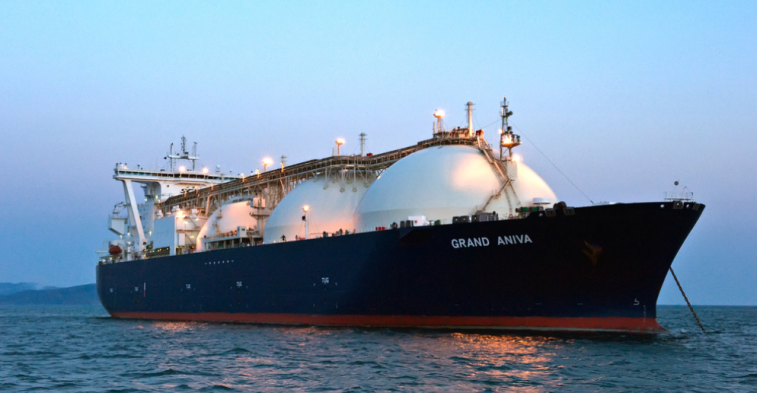
Qatar shipping and logistics industry is gaining global attention as the country invests heavily in modern infrastructure, technology, and partnerships to position itself as a key player in international trade. Over the last decade, Qatar has transformed its transportation network, turning itself into a global hub for cargo, shipping, and logistics services.
Qatar’s Growing Role in Global Trade
Located at the crossroads of Asia, Europe, and Africa, Qatar has long recognized the importance of logistics for economic diversification. With limited reliance on oil and gas exports in the future, the country has made shipping and logistics a central part of its long-term development strategy. This vision aligns with Qatar National Vision 2030, which emphasizes sustainability, competitiveness, and international cooperation.
By boosting its logistics sector, Qatar is not just ensuring smooth trade operations at home but also creating an ecosystem that supports global commerce. As international supply chains continue to face challenges, Qatar’s advanced infrastructure is offering much-needed stability and reliability for shipping routes.
The Power of Hamad Port
One of the strongest pillars of Qatar’s shipping and logistics industry is Hamad Port. Inaugurated in 2017, it has become one of the largest and most advanced ports in the Middle East. The port has a capacity of handling millions of containers annually, with specialized terminals for general cargo, automobiles, and livestock.
Hamad Port connects Qatar directly to over 40 countries and more than 150 shipping destinations, reducing dependency on regional transshipment hubs. This allows Qatar to maintain a smooth flow of imports and exports, regardless of regional disruptions. The port also serves as a gateway for re-exports, positioning Qatar as a regional distribution hub.
Smart Technology in Logistics
Qatar has been quick to adopt digital solutions and smart technology to improve efficiency in its logistics operations. Artificial intelligence, big data analytics, and blockchain systems are increasingly used to monitor cargo movements, reduce delays, and cut operational costs.
Hamad Port itself uses automated cranes, digital cargo tracking, and advanced customs clearance systems to speed up operations. These innovations ensure transparency, minimize paperwork, and allow companies to have real-time insights into their shipments. By embracing smart logistics, Qatar is setting new global benchmarks for modern supply chain management.
Strengthening Air Cargo Services
Beyond its maritime strength, Qatar has also become a global leader in air cargo services. Qatar Airways Cargo is consistently ranked among the world’s top cargo carriers. Operating a large fleet of freighters and passenger aircraft with cargo capacity, the airline connects Doha to hundreds of destinations worldwide.
This strong air cargo network complements the seaport facilities, creating a multimodal transport system that ensures faster, more flexible trade. Perishable goods, pharmaceuticals, and e-commerce shipments benefit particularly from Qatar’s efficient air freight services, further enhancing its reputation as a reliable logistics hub.
Free Zones and Trade Incentives
Qatar’s logistics strategy also includes the development of free zones, which provide attractive conditions for global businesses. The Ras Bufontas Free Zone and Umm Alhoul Free Zone near Hamad Port and Hamad International Airport offer tax exemptions, full foreign ownership, and access to world-class infrastructure.
These zones are designed to attract multinational companies in logistics, technology, pharmaceuticals, and advanced manufacturing. By providing integrated ecosystems, Qatar is positioning itself as a preferred base for companies looking to expand into the Middle East, Africa, and South Asia.
Environmental Sustainability in Shipping
Another important part of Qatar’s logistics transformation is sustainability. With growing global pressure to reduce carbon emissions, Qatar is investing in green shipping and eco-friendly practices. Hamad Port incorporates advanced waste management systems, energy-efficient lighting, and modern water treatment facilities.
Qatar Airways Cargo has also launched initiatives to reduce emissions, such as optimizing flight routes and using fuel-efficient aircraft. By focusing on green logistics, Qatar not only improves its global image but also contributes to international efforts against climate change.
Resilience in Times of Crisis
The true strength of Qatar’s shipping and logistics industry was proven during regional blockades and the global COVID-19 pandemic. When supply chains across the world were disrupted, Qatar managed to keep its trade routes open by leveraging its ports, airports, and logistics capabilities.

This resilience has boosted global trust in Qatar as a dependable trade partner. Today, many countries see Qatar not only as an energy exporter but also as a logistics hub that can provide consistent trade solutions in uncertain times.
Partnerships and International Cooperation
Qatar continues to build strong partnerships with global logistics companies and shipping lines. By signing agreements with leading international operators, Qatar ensures a steady flow of investments, expertise, and trade connections.
For example, collaboration with global shipping alliances has expanded Hamad Port’s connectivity, while joint ventures with logistics companies have enhanced warehousing and distribution services. These partnerships are vital in making Qatar a recognized global player in the logistics sector.
Boosting E-commerce and Digital Trade
The rise of e-commerce has created new opportunities for Qatar’s logistics industry. With more consumers shopping online across the region, the need for fast and reliable delivery systems has grown. Qatar has responded by building modern warehouses, advanced distribution centers, and last-mile delivery solutions.
By combining air cargo, sea freight, and smart logistics, Qatar is well positioned to become a leading e-commerce distribution hub for the Middle East and beyond. This not only diversifies its economy but also supports the growth of small and medium-sized enterprises (SMEs).
Future Prospects for Qatar’s Logistics Sector
Looking ahead, Qatar is expected to continue expanding its logistics and shipping sector with several upcoming projects. Planned investments include expanding Hamad Port’s capacity, integrating advanced digital trade platforms, and strengthening transport links to neighboring countries.
The government also aims to make Qatar a global logistics innovation hub by investing in research, training, and education. This includes programs to train logistics professionals and encourage young entrepreneurs to explore opportunities in supply chain management.
Conclusion: Qatar’s Global Logistics Vision
Qatar shipping and logistics industry is not just about moving goods—it is about shaping the future of global trade. With world-class ports, a strong air cargo network, advanced technology, and sustainable practices, Qatar has positioned itself as a reliable and competitive player in international logistics.
As global trade continues to evolve, Qatar’s strategic investments and visionary leadership are ensuring that the nation plays a central role in connecting markets, supporting businesses, and driving economic growth worldwide.
Also read: Kuwait Free Trade Zones Drive Major Foreign Investment Opportunities

