

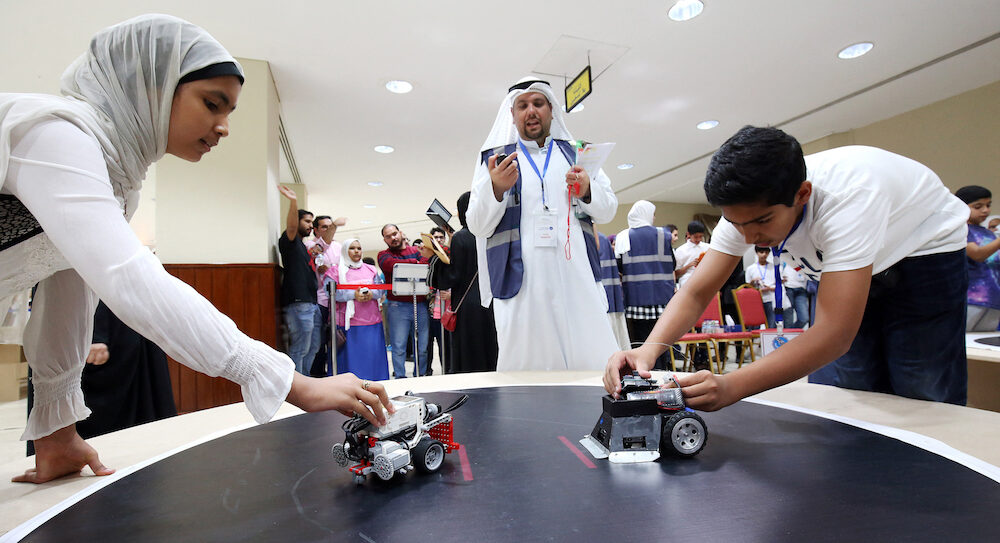
Saudi Arabia STEM programs are entering a new phase of growth as the Kingdom intensifies its investment in science, technology, engineering, and mathematics education. The expansion of STEM programs in public universities reflects the nation’s long-term vision to build a knowledge-driven economy, empower its youth with advanced skills, and strengthen its global position in innovation.
The move aligns with the broader framework of Vision 2030, which places education, research, and innovation at the heart of Saudi Arabia’s transformation. By expanding STEM offerings, universities aim to equip students with the tools to thrive in a competitive world, reduce reliance on oil-driven revenues, and prepare the workforce for emerging industries such as artificial intelligence, renewable energy, biotechnology, and advanced manufacturing.
Why Saudi Arabia is Expanding STEM Programs
Education has always been a cornerstone of Saudi Arabia’s development strategy. However, in recent years, the government has recognized that traditional learning models must evolve to match the demands of a rapidly changing global economy.
STEM programs focus on problem-solving, critical thinking, and hands-on innovation—skills urgently needed as industries become more tech-driven. The expansion is not only about increasing the number of courses but also about transforming how education is delivered. Students are now encouraged to engage in research, develop entrepreneurial mindsets, and apply knowledge in real-world settings.
This investment also reflects global trends. Countries that prioritize STEM education tend to produce more patents, drive higher levels of innovation, and build stronger economies. For Saudi Arabia, it is both a national necessity and an opportunity to inspire its younger generation to lead in tomorrow’s industries.
Vision 2030 and the Role of Education
At the heart of Saudi Arabia’s Vision 2030 is the ambition to diversify the economy and reduce its dependence on oil. To achieve this, the Kingdom has identified human capital development as a strategic pillar. Education reforms, particularly in STEM fields, are designed to ensure that Saudi graduates are not just job seekers but also job creators.
The government has set clear goals:
- Strengthen partnerships between universities and industry.
- Expand research centers within public institutions.
- Encourage innovation and entrepreneurship among students.
- Increase the global ranking of Saudi universities.
By emphasizing STEM, Saudi Arabia aims to produce graduates who can actively contribute to emerging sectors, from renewable energy projects in NEOM to AI-driven healthcare solutions.
Public Universities Leading the Transformation
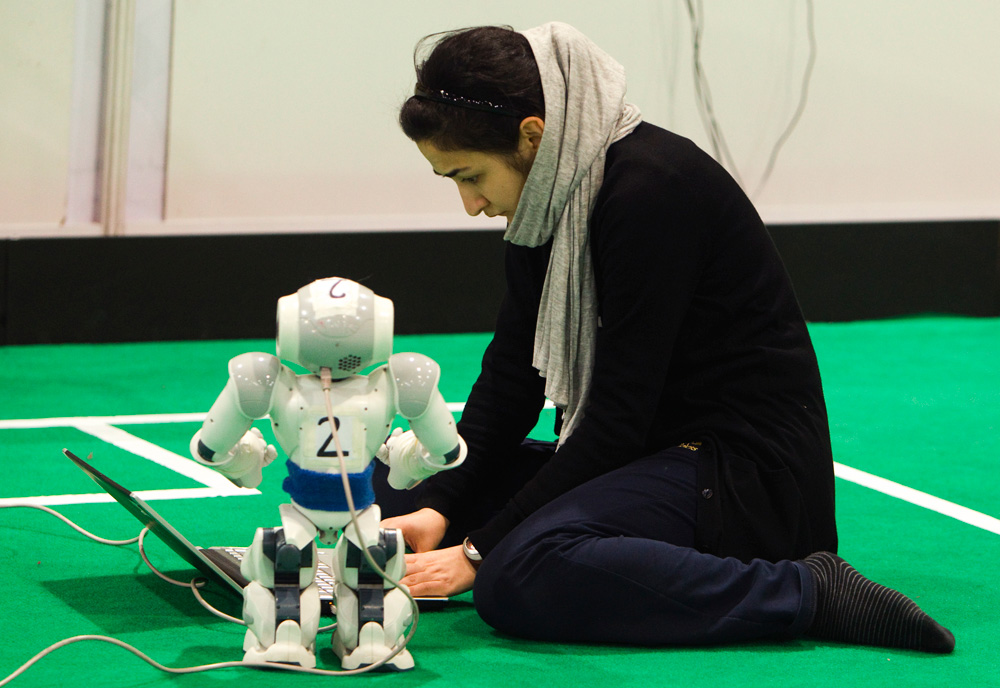
Several public universities across the Kingdom are already rolling out expanded STEM programs:
King Saud University (Riyadh)
As one of the oldest and most prestigious universities, King Saud University has introduced new interdisciplinary programs in artificial intelligence, data science, and renewable energy engineering. The university is also collaborating with international partners to ensure students are exposed to global standards.
King Abdulaziz University (Jeddah)
With its strong focus on research, King Abdulaziz University has expanded laboratories and research centers dedicated to nanotechnology, biotechnology, and advanced medical sciences. Its STEM programs are designed to foster innovation that directly benefits local industries.
King Fahd University of Petroleum and Minerals (Dhahran)
Long known for engineering excellence, KFUPM is enhancing its STEM curriculum with advanced programs in robotics, automation, and sustainable energy. The university plays a pivotal role in aligning education with the Kingdom’s energy transition.
Princess Nourah bint Abdulrahman University (Riyadh)
As the world’s largest women’s university, Princess Nourah University has become a leader in promoting women’s participation in STEM. The institution has introduced new courses in computer science, cybersecurity, and biomedical engineering, empowering female students to enter fields previously underrepresented by women.
Expanding Opportunities for Women in STEM
One of the most remarkable aspects of Saudi Arabia’s STEM expansion is the growing role of women. In recent years, the Kingdom has taken significant steps to empower women in education, employment, and entrepreneurship.
Today, more female students are enrolling in STEM programs than ever before. Women are now being trained to become engineers, scientists, and innovators—fields once dominated by men. This shift not only promotes gender equality but also unlocks a larger talent pool to drive national progress.
Universities are actively creating mentorship programs, scholarships, and innovation hubs specifically designed to encourage female participation. Saudi Arabia’s decision to expand STEM access to women will have long-lasting effects on its workforce and economy.
Building a Workforce for the Future
The ultimate goal of expanding STEM programs in public universities is to prepare students for the future workforce. Industries in Saudi Arabia are undergoing rapid transformation, particularly in areas such as:
- Renewable Energy: Solar and wind power projects require engineers and scientists trained in cutting-edge technology.
- Artificial Intelligence and Robotics: From smart cities like NEOM to automated industries, AI and robotics will be essential.
- Healthcare and Biotechnology: Innovation in medical sciences is critical to improving healthcare outcomes and advancing pharmaceuticals.
- Space Exploration: Saudi Arabia’s growing interest in space research highlights the need for astrophysicists, aerospace engineers, and data analysts.
By equipping students with STEM knowledge, universities are ensuring that graduates can compete on a global level and support the Kingdom’s ambitious projects.
Government Support and Investments
The Saudi government has backed the expansion of STEM programs with strong policies and investments. Funding is being directed toward:
- Modernizing university infrastructure and laboratories.
- Supporting research grants and innovation competitions.
- Attracting international faculty and forging global partnerships.
- Creating scholarships for Saudi students to pursue STEM education abroad.
Through organizations like the Ministry of Education and the Saudi Data and AI Authority (SDAIA), the Kingdom is ensuring that universities align with global standards while addressing local needs.
Challenges and the Road Ahead
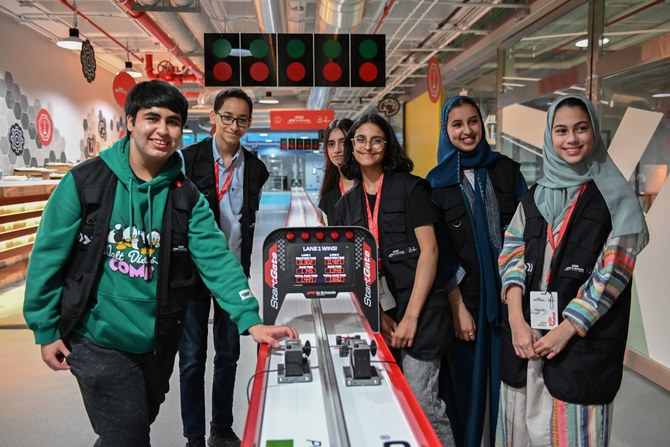
While progress has been significant, challenges remain. Expanding STEM programs requires continuous investment, highly skilled faculty, and updated curricula that match global trends. Another key challenge is encouraging students to pursue STEM fields over traditional disciplines, as some may perceive them as more demanding.
To overcome these challenges, Saudi Arabia is promoting STEM awareness campaigns, offering financial incentives, and building stronger partnerships with private companies. By linking education directly with career opportunities, the Kingdom is making STEM more attractive to the younger generation.
A Long-Term Vision for Innovation
Saudi Arabia’s decision to expand STEM programs is more than an educational reform; it is a national strategy to shape the future. By equipping students with the skills needed in science, technology, engineering, and mathematics, the Kingdom is laying the foundation for a diversified, resilient, and innovative economy.
As public universities continue to lead the transformation, the results will not only benefit Saudi Arabia but also contribute to global advancements. With its rich talent pool, strategic vision, and strong government backing, Saudi Arabia is positioning itself as a regional leader in STEM education and innovation.
Conclusion
The expansion of Saudi Arabia STEM programs in public universities marks a turning point in the nation’s educational journey. It demonstrates a clear commitment to investing in human capital, promoting innovation, and preparing students for industries of the future.
By aligning with Vision 2030, embracing inclusivity, and encouraging research-driven learning, Saudi Arabia is taking bold steps to transform its education sector. In the years ahead, the impact of these programs will extend far beyond classrooms—shaping industries, driving economic growth, and inspiring a new generation of Saudi innovators.
Also read: Kuwait Airport Achieves Top ICAO Security Rating Amid Global Standards

