

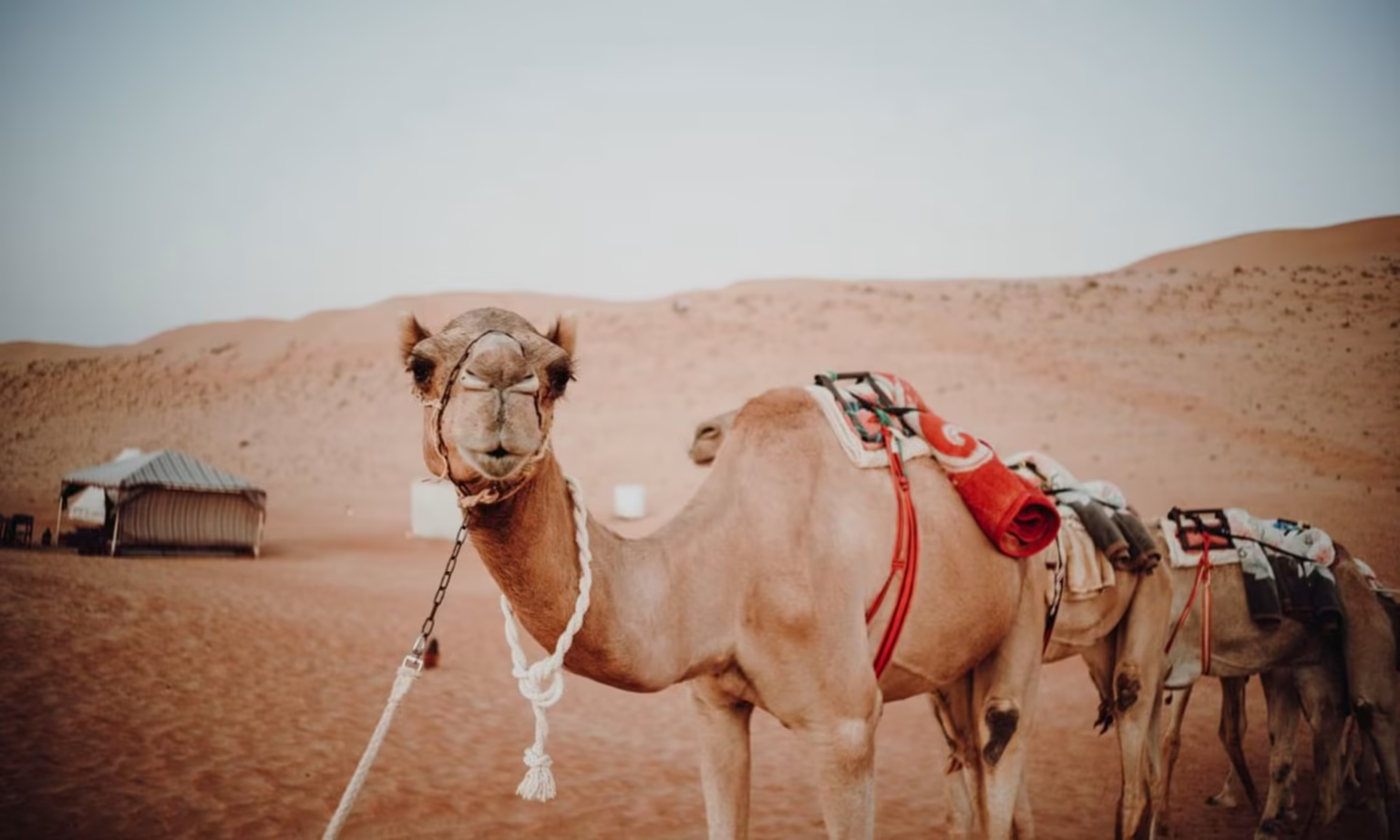
In the heart of Oman’s deserts and mountains, camels have long been companions of resilience, strength, and survival. They are more than just animals in the Sultanate; they symbolize endurance, tradition, and a deep bond between humans and nature. For centuries, camels have been vital to Omani lifestyle, supporting transport, food, trade, and even cultural pride. Their role is not confined to history books but continues to evolve in modern Oman, where they remain respected symbols of identity and heritage.
Camels as Lifelines in Harsh Deserts
Oman’s geography is shaped by sweeping deserts, rugged mountains, and vast plains where survival has always been a challenge. In such harsh landscapes, camels stood as lifelines for Omani tribes. Known as the “ships of the desert,” camels carried water, dates, frankincense, and essential goods across long distances when no other transport could endure the heat and scarcity. Their ability to survive with minimal water and thrive on dry vegetation made them indispensable. For many Omani families, a camel was not just wealth but security a guarantee of survival in uncertain times.
The Camel in Traditional Trade and Economy
Before oil transformed Oman, trade was the backbone of its economy. Camels were at the center of this trade network, carrying goods between villages, markets, and coastal ports. From frankincense to wool, from pottery to dried fish, camels transported items that sustained livelihoods and connected Oman to neighboring regions. Caravans moved slowly but steadily across deserts, relying on the strength and patience of these animals. Even as dhows sailed from Oman’s ports, camels played a crucial role in delivering goods inland, linking the interior to the sea.
Food, Milk, and Sustenance
Camels provided far more than transport; they were also a vital source of nourishment. Camel milk, rich in nutrients and long-lasting even in hot climates, became a staple for desert-dwelling families. It not only quenched thirst but also provided strength and energy for long journeys. Camel meat, though less frequently consumed, was valued during festivals and gatherings, symbolizing generosity and abundance. To this day, camel milk is cherished in Oman for its health benefits, keeping alive a practice that stretches back generations.
Camels in Omani Social Status and Wealth
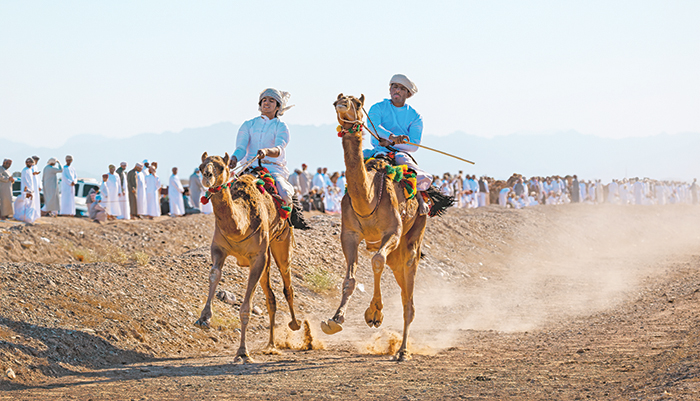
Owning camels in Oman was historically a mark of pride, wealth, and prestige. A family with several camels was considered secure and respected, as camels symbolized prosperity and the ability to endure life’s hardships. For nomadic Bedouins, camels were often used as dowry in marriages, strengthening social ties and alliances. Even today, owning a prized camel, especially one bred for racing or beauty contests, brings immense pride and honor. The status attached to camels shows how deeply they are woven into the cultural and social fabric of Oman.
The Camel as a Cultural Symbol
Camels hold a profound place in Omani folklore, poetry, and oral traditions. They are celebrated in songs that praise their endurance, poems that honor their loyalty, and proverbs that highlight their wisdom. For Omanis, camels represent patience, strength, and devotion qualities admired in human character as well. The image of a camel crossing the desert at sunset is etched into the cultural imagination, symbolizing freedom and resilience in the face of challenges.
Camels in Festivals and Celebrations
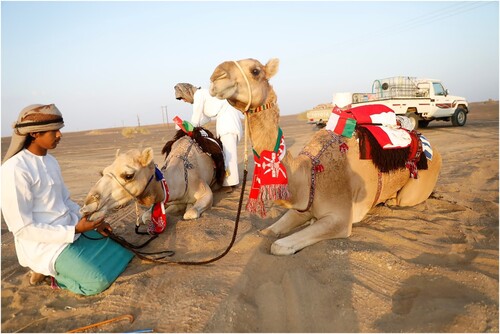
Omani festivals and cultural events often feature camels as central attractions. During national celebrations, camels are paraded with pride, adorned with colorful decorations and traditional saddles. They appear not only as symbols of heritage but also as living reminders of Oman’s journey through history. Weddings and tribal gatherings sometimes feature camels as gifts or ceremonial animals, reinforcing their importance in social life. These traditions reflect how camels continue to bring people together, bridging the past with the present.
Camel Racing: A Blend of Heritage and Modernity
One of the most fascinating aspects of Omani culture is camel racing. What began as a traditional practice among tribes has now grown into a nationally celebrated sport. Races are held across the country, drawing crowds who cheer with excitement as camels sprint across tracks. Modern camel racing has embraced technology, with electronic jockeys replacing young riders to ensure safety and fairness. Yet at its core, camel racing remains a celebration of Omani heritage, blending age-old traditions with contemporary innovations. Winning camels bring not only prizes but also immense prestige to their owners.
Camel Beauty Contests
In addition to racing, Oman hosts camel beauty contests where these majestic animals are judged for their appearance, posture, and elegance. These contests highlight the deep appreciation Omanis have for camels, seeing them not just as working animals but as graceful creatures worthy of admiration. Owners spend months preparing their camels for such events, grooming them with care and pride. Beyond the competition, these events reinforce the cultural bond between Omanis and their camels.
Camels and Omani Handicrafts
Camels also contribute to Oman’s rich tradition of handicrafts. Camel hair is spun into wool, used for weaving tents, carpets, and ropes. These items are not only practical but also artistic, showcasing the creativity of Omani artisans. In earlier times, camel leather was used to make containers for water and food, ensuring survival during long journeys. The continued use of camel products in handicrafts represents the harmony between nature and human ingenuity in Oman’s history.
The Spiritual and Symbolic Role of Camels
For Omanis, camels are not only physical helpers but also spiritual symbols. They are often seen as gifts of God, designed perfectly to endure the desert environment. In many Omani households, camels are treated with great respect and care, reflecting gratitude for their role in human survival. The humility of a camel, bowing down to allow a rider to mount, resonates deeply with the Omani spirit of patience and humility. Such symbolism has kept camels central to Omani identity across generations.
Camels in Literature and Storytelling
Omani literature and storytelling frequently feature camels as loyal companions and symbols of perseverance. Folktales often depict camels guiding travelers, saving lives, or standing as symbols of wisdom. Children grow up listening to these tales, where camels are portrayed almost as family members. This storytelling tradition ensures that even in a world of rapid modernization, the younger generation remains connected to the camel’s legacy.
Camels in Modern Oman
Despite technological progress and modern transport, camels have not lost their significance in Oman. Today, they are celebrated more for heritage and cultural pride than survival, yet their presence remains strong. Camel racing tracks, festivals, and cultural showcases attract both locals and tourists, highlighting the animal’s continued relevance. Camel milk is now packaged and sold commercially, offering modern health-conscious consumers a traditional superfood. In rural areas, camels still support families with transport and dairy, proving that their role is far from over.
Tourism and Camels in Oman
Tourism has opened new avenues for camels in Oman. Visitors are often drawn to camel rides through the golden sands of the Wahiba desert, experiencing firsthand what life was like for Bedouins. Tourists enjoy interacting with camels, learning about their care, and watching cultural events featuring these majestic animals. Through tourism, camels have become global ambassadors of Omani culture, connecting the world to the nation’s heritage.
Preserving the Heritage of Camels
Oman has taken steps to preserve the legacy of camels through government support, cultural organizations, and community initiatives. Camel farms are maintained with care, racing tracks are developed, and heritage festivals are encouraged. This ensures that the younger generation does not lose touch with the vital role camels have played in shaping Oman. Preservation is not just about protecting the past—it is about honoring identity and passing forward values of endurance, humility, and respect for nature.
The Emotional Bond Between Omanis and Camels
Beyond practical uses, the emotional bond between Omanis and camels is profound. For many families, camels are part of their history, tied to memories of journeys, trade, and shared survival. Owners often develop strong connections with their camels, speaking to them, caring for them with affection, and treating them as companions rather than livestock. This emotional relationship reflects a way of life where humans and animals coexisted in harmony, each relying on the other for survival.
Challenges and the Future of Camels in Oman
While camels remain important, they face challenges in the modern world. Urbanization, mechanized transport, and changing lifestyles have reduced their daily practical roles. Yet Oman’s efforts to preserve and promote camel culture suggest a hopeful future. Through tourism, modern camel farming, and sports, camels are being redefined for a new era. Their legacy is not fading but transforming—becoming symbols of unity, resilience, and national pride.
Conclusion
The story of camels in Oman is a story of endurance, loyalty, and deep cultural pride. From carrying trade goods across deserts to nourishing families with milk, from inspiring poetry to thrilling crowds in races, camels have touched every aspect of Omani life. They are not relics of the past but living symbols of a nation’s identity, bridging history with modernity. For Omanis, camels represent more than survival they embody strength, patience, and the spirit of resilience. As Oman strides into the future, camels will continue to stand tall, reminding generations of the unbreakable bond between humans, animals, and the land they call home.
Also Read – Embracing Oman’s Traditional Homes with Lasting Architectural Beauty

