

Oman, a country of desert landscapes, rugged mountains, and pristine coastlines, is equally rich in cultural heritage and culinary traditions. Among its many traditions, breakfast holds a special place. Unlike hurried breakfasts in many parts of the world, Omani breakfasts are meant to be savored, shared, and enjoyed. They are a celebration of hospitality, family bonds, and centuries-old recipes that have been passed down through generations.
An Omani breakfast is more than a morning meal it is a cultural experience. From the aroma of freshly baked bread to the sweet notes of Halwa and the strong, spiced aroma of Omani coffee, breakfast engages all senses. Each dish carries a story, whether it’s a reflection of regional agriculture, family tradition, or a ritual of hospitality extended to friends and guests. Understanding these foods provides insight into Omani life, its values, and its timeless connection to the land and community.
The Heart of Omani Breakfast: Bread
Bread is central to Omani breakfasts. Unlike the packaged breads common in other parts of the world, Omani bread is handmade, often cooked in traditional clay ovens, and enjoyed fresh. Khubz Rakhal is one of the most common types. It is soft, slightly chewy, and golden brown, often torn by hand and shared among family members. The preparation of Khubz Rakhal itself is a ritual, where the dough is kneaded with care, rested, and then baked, releasing a comforting aroma that fills the home.
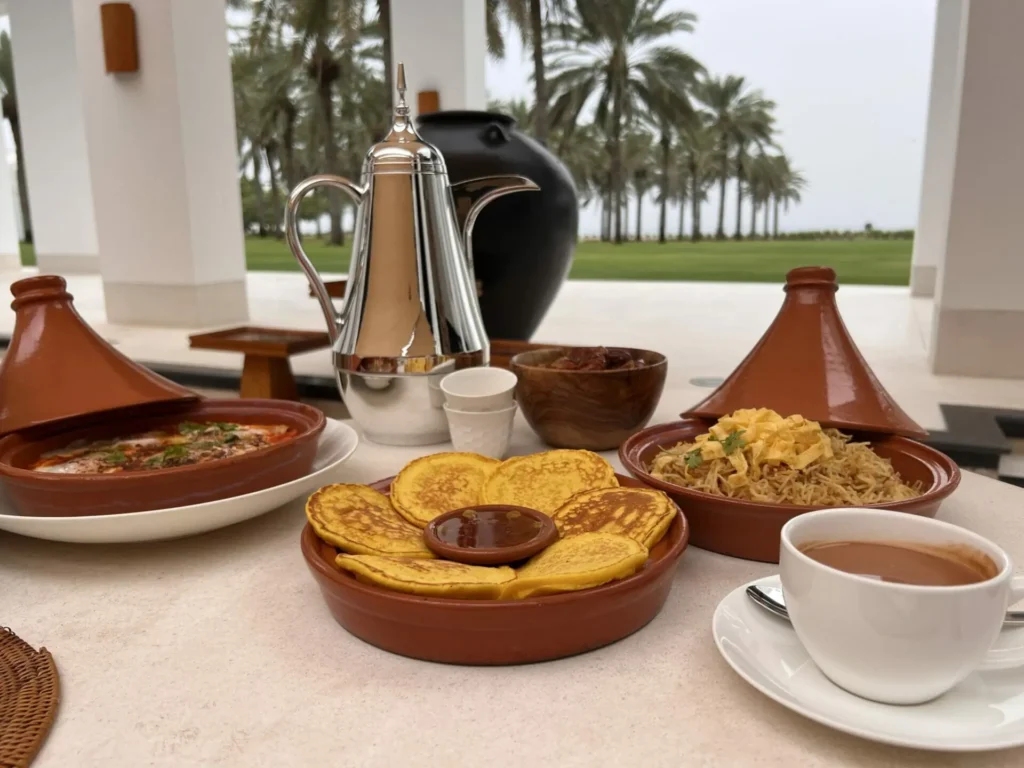
Another beloved variety is Raqaq, an incredibly thin bread that resembles a delicate pancake. It is rolled out with precision and cooked quickly on a flat pan. Despite its simplicity, Raqaq requires skill, and its crisp texture is a delight when paired with honey, cheese, or Halwa. These breads are a symbol of Omani craftsmanship and hospitality, demonstrating that even the simplest ingredients can be transformed into something extraordinary.
Aromatic Omani Coffee: Qahwa
No Omani breakfast is complete without Qahwa, the country’s iconic coffee. Brewed from lightly roasted coffee beans and infused with cardamom, and sometimes saffron, Qahwa is a fragrant and warming drink. It is traditionally served in small, handleless cups, often accompanied by a plate of sweet dates. The ritual of preparing and serving Qahwa is deeply rooted in Omani culture and represents respect, generosity, and connection.
In Omani homes, serving Qahwa is a symbol of hospitality. Guests are welcomed with a cup of coffee, and family members gather to enjoy it together. The act of pouring and sharing coffee reflects social bonds and the values of patience and appreciation. Sipping Qahwa, one cannot help but feel a sense of warmth and inclusion, understanding why it has been central to Omani life for centuries.
Sweet Treats: Halwa and Honey
Omani breakfasts are often accompanied by sweet indulgences, with Omani Halwa being the most celebrated. Halwa is made from ghee, sugar, rosewater, nuts, and other local ingredients, resulting in a gelatinous, fragrant, and slightly sticky delight. Its preparation is an art, often taking several hours to perfect. Halwa is more than a sweet it is a cultural symbol, enjoyed during special occasions, family gatherings, and even casual breakfasts.
In addition to Halwa, local honey is a staple on Omani breakfast tables. Oman is home to some of the purest honey in the world, often collected from mountainous regions where bees feed on wildflowers. Honey may be drizzled over bread, mixed with cheese, or simply enjoyed alone. Both Halwa and honey are reminders of Oman’s natural bounty and the importance of treating even everyday meals as moments of pleasure and appreciation.
Savory Delights: Eggs and Cheese
While sweets are prominent, savory items form the backbone of Omani breakfasts. Eggs are often prepared simply, either fried, scrambled, or boiled. They are served with Omani cheese, which is soft, mild, and slightly salty. This combination offers a perfect balance of protein and flavor, ideal for starting the day with sustained energy.
Omani families often pair eggs and cheese with fresh bread, creating a complete and satisfying meal. The simplicity of these dishes highlights the Omani philosophy of enjoying food in its purest form, letting natural flavors shine without excessive seasoning. These savory elements also complement the sweeter dishes, creating a harmonious breakfast that caters to diverse tastes.
Traditional Dishes: Shuwa and Regional Specialties
Beyond the typical breakfast staples, some regions of Oman enjoy heartier dishes in the morning. Shuwa, a slow-cooked marinated meat, is traditionally prepared for festive occasions but may be included in special breakfast feasts. It is marinated with a blend of spices, wrapped in palm leaves, and cooked underground for up to two days, resulting in tender, flavorful meat.
Other regional specialties include Fahsa, a spiced meat stew often cooked with vegetables, and Mashuai, a dish made from fish and rice. These dishes demonstrate the regional diversity of Omani cuisine and reflect local ingredients, traditions, and customs. Even when served at breakfast, they are a reminder that Omani meals are designed to nourish both body and soul, combining flavor with cultural significance.
The Role of Dates in Breakfast
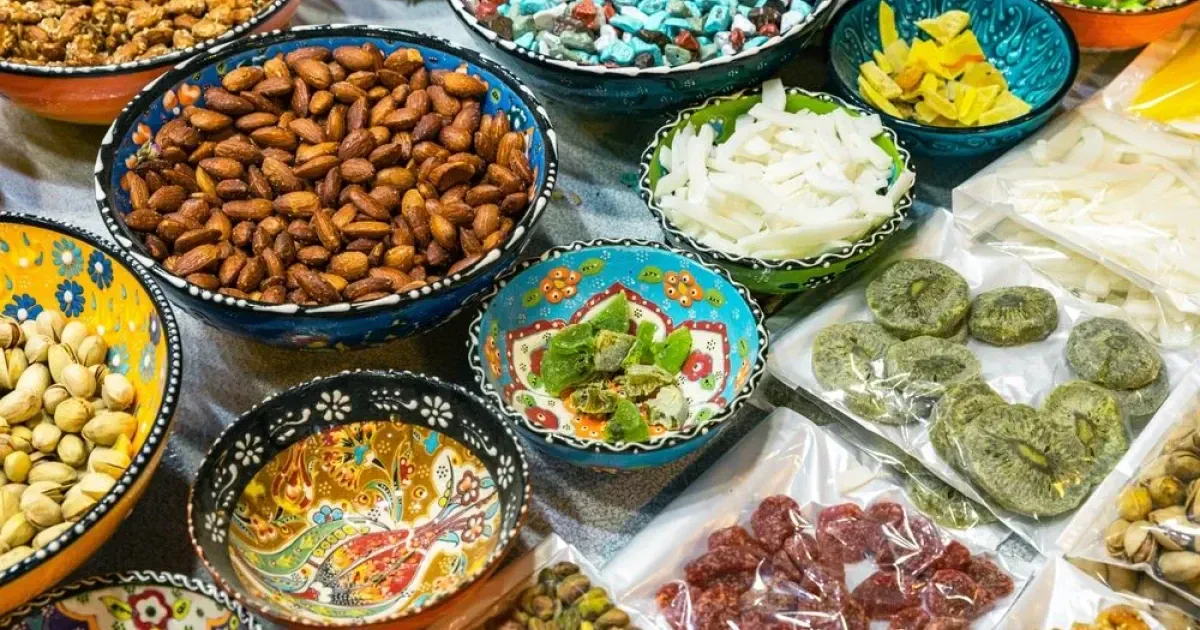
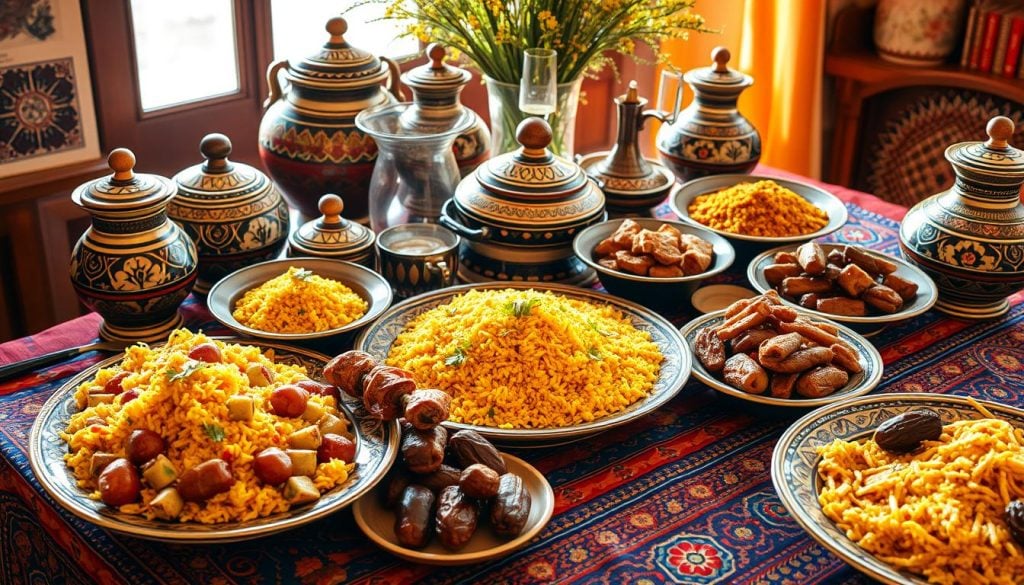
Dates are a cornerstone of Omani breakfasts. Oman produces a wide variety of dates, each with its unique flavor profile. They may be eaten on their own, dipped in Qahwa, or incorporated into desserts. Beyond their sweetness, dates hold historical and cultural significance, symbolizing generosity and hospitality.
In traditional Omani households, offering dates to a guest is considered an act of respect and kindness. Their presence at breakfast tables is both practical and ceremonial, providing natural energy and nutrients while reinforcing cultural values. Dates exemplify the Omani principle of combining nourishment with meaningful gestures, making even a simple meal a moment of connection.
Fresh Fruits and Juices
Oman’s fertile regions produce an abundance of fresh fruits, which often feature prominently at breakfast. Mangoes, papayas, pomegranates, bananas, and melons are common choices, reflecting the country’s diverse agricultural landscape. Freshly squeezed fruit juices are equally popular, offering hydration and a natural sweetness that complements both savory and sweet items.
Including fruits and juices in breakfast is not just a matter of taste it reflects an Omani emphasis on freshness, nutrition, and balance. Meals are seen as a way to nourish the body with wholesome ingredients while celebrating the natural flavors of the region. Even in urban areas, fresh fruits remain a valued component of the morning table, connecting city life with the rhythms of nature.
Social and Cultural Significance
Omani breakfasts are inherently social. They are an opportunity for families to gather, share stories, and strengthen bonds. Meals are typically slow and intentional, encouraging conversation and reflection. This communal aspect is especially significant during weekends, festivals, and family gatherings, where breakfast extends into a leisurely ritual of togetherness.
In Omani culture, the act of preparing breakfast for others is as meaningful as eating itself. Parents involve children in cooking, teaching recipes and techniques passed down through generations. Hosting guests with a traditional breakfast is a demonstration of respect and warmth, embodying the values that define Omani society. Every dish, every sip of Qahwa, and every shared date reinforces these bonds and traditions.
Modern Influences on Traditional Breakfasts
While Oman has embraced modernity, traditional breakfast practices remain resilient. Urban areas now feature cafes serving global breakfast options such as pancakes, croissants, and coffee blends. Yet, traditional breakfasts continue to thrive in homes, markets, and restaurants. Many Omanis creatively blend modern tastes with traditional ingredients, creating dishes that honor heritage while accommodating contemporary lifestyles.
For example, some households incorporate international spreads like cheese or jam alongside Khubz Rakhal, or enjoy fresh fruit smoothies alongside traditional Qahwa. This adaptability demonstrates the enduring relevance of Omani breakfast culture, proving that tradition can evolve without losing its essence.
Health and Nutrition in Omani Breakfast
Omani breakfasts are not only flavorful but also highly nutritious. The combination of whole grains, eggs, cheese, fresh fruits, dates, and nuts offers a balanced intake of carbohydrates, proteins, vitamins, and minerals. Spices like cardamom and saffron not only enhance flavor but also aid digestion and provide antioxidants.
The focus on natural, unprocessed ingredients reflects a deep understanding of food and wellness. Traditional breakfasts offer sustained energy for the day ahead, support overall health, and maintain harmony between taste and nutrition. This balance is a testament to the wisdom embedded in Omani culinary traditions, where meals are designed to nurture both body and soul.
Preserving Culinary Heritage
Omani breakfast traditions are more than just culinary practices they are cultural heritage. Families, chefs, and communities work tirelessly to preserve recipes, cooking methods, and the stories behind each dish. From baking bread in clay ovens to preparing Halwa for festive occasions, these practices ensure that the knowledge and skills of the past continue to thrive.
Food festivals, cooking competitions, and cultural events also highlight the importance of breakfast in Oman’s heritage. Younger generations are encouraged to participate, ensuring that traditional recipes remain alive and relevant. By preserving these culinary traditions, Oman not only celebrates its history but also fosters a sense of identity and pride in its people.
Conclusion: A Celebration of Heritage
Omani breakfasts are a vivid reflection of the country’s rich culture, history, and values. Each dish, whether it’s the soft Khubz Rakhal, the sweet Halwa, the aromatic Qahwa, or the nourishing dates, carries with it a story of heritage and hospitality. Breakfast in Oman is not merely a meal it is a ritual that brings people together, strengthens familial bonds, and celebrates the abundance of the land.
By embracing both tradition and modernity, Omanis continue to honor their culinary roots while adapting to contemporary lifestyles. Traditional breakfasts are a testament to the country’s love for wholesome ingredients, communal experiences, and timeless flavors. Every shared meal is an opportunity to connect, appreciate, and celebrate the essence of Omani life. In this way, breakfast becomes a daily reminder of the beauty, richness, and enduring spirit of Oman’s cultural heritage.
Also Read – Exquisite Omani Lamb Dishes Celebrating Rich Culinary Traditions

