

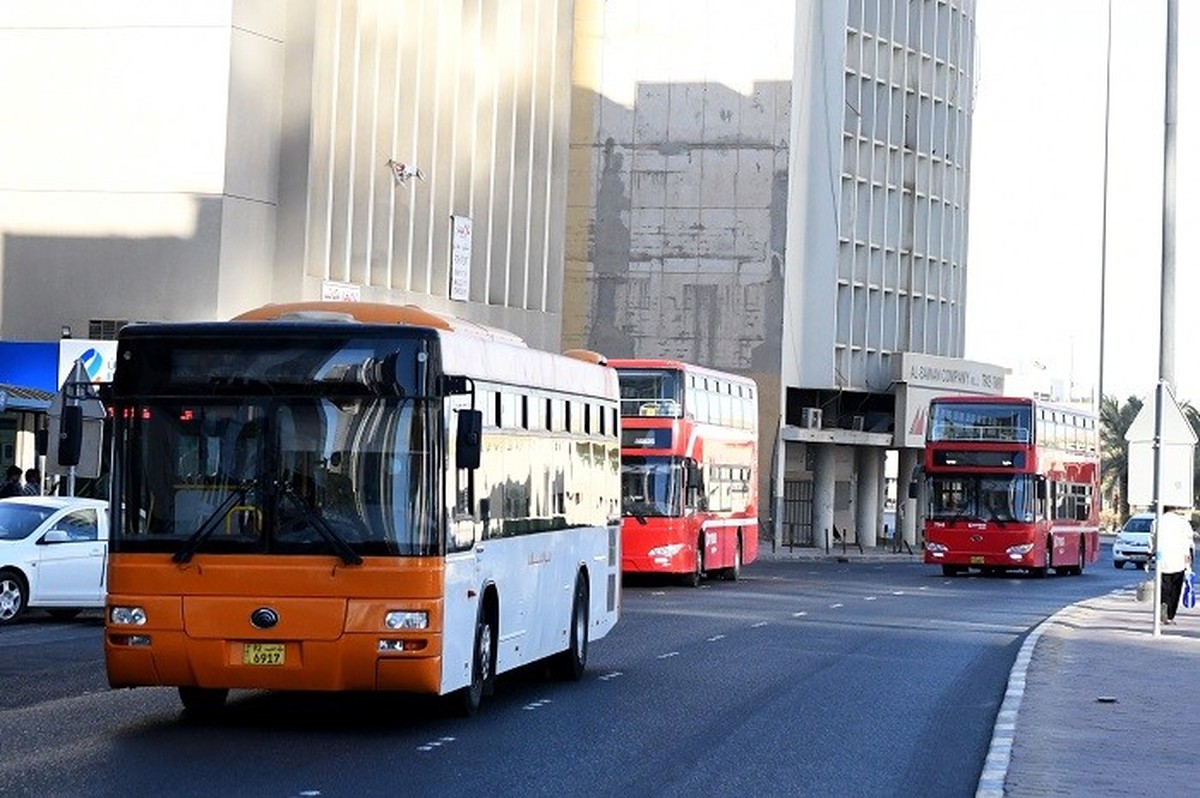
A New Era for Commuting in Kuwait
Kuwait is entering a remarkable new chapter in its journey toward modernization by embracing cashless smart payments in its public transport system. For decades, passengers relied on coins, paper tickets, and cash exchanges to move around the country. While functional, these methods often caused delays, inefficiencies, and inconvenience for commuters. Today, however, Kuwait is taking bold steps to transform the very core of its mobility network by moving toward a digital-first experience that aligns with the country’s wider vision of becoming a smart economy.
Cashless systems are not just about convenience; they symbolize progress. They bring efficiency, safety, and innovation to everyday life. In Kuwait’s public transport network, the shift is more than a technological upgrade it’s a societal transformation. The adoption of smart payments reflects a growing desire for faster, simpler, and safer ways of living in a rapidly changing world.
Why Cashless Smart Payments Matter
Public transport touches millions of lives daily. A bus ride, a metro trip, or a taxi journey may seem ordinary, but when multiplied across an entire city, it becomes a lifeline for economic activity and social connectivity. For Kuwait, where urban mobility is central to daily routines, introducing cashless smart payments means addressing long-standing commuter challenges.
Passengers no longer need to fumble for exact change or wait for paper tickets. Instead, with a simple tap of a card, a phone, or even a wearable device, fares can be paid instantly. Beyond speed and convenience, this reduces human error, eliminates ticket shortages, and helps build a transparent system where every payment is digitally recorded. For government authorities, such systems also offer data-driven insights that can improve transport planning, monitor passenger flows, and even forecast future demand more accurately.
Kuwait’s Digital Transformation Vision
The move toward cashless public transport is not happening in isolation. It is part of Kuwait’s larger digital transformation roadmap, where technology is placed at the heart of economic and social development. The government envisions a Kuwait where digital services define the way citizens interact with public systems, from healthcare and education to transportation and finance.
Transport is particularly crucial in this vision. Efficient, cashless systems are not only a sign of modernization but also a necessity for Kuwait’s growing population and its expanding urban landscape. The adoption of digital fare collection ensures that the country keeps pace with global standards while catering to the expectations of a younger, tech-savvy generation that increasingly prefers seamless and contactless services.

Enhancing Commuter Convenience
One of the most immediate benefits of smart payment systems is the convenience they bring to commuters. For students rushing to class, employees heading to offices, or families planning a city outing, the last thing they want is to wait in long ticket queues. With cashless solutions, commuting becomes smoother and quicker.
Travelers can load credit onto smart cards, link their accounts to apps, or use mobile wallets that work instantly on buses and metro stations. This reduces delays during boarding, shortens waiting times at stops, and creates a smoother flow of passengers. For many, these small improvements make a big difference in daily life.
Boosting Safety and Hygiene
The shift to cashless public transport is also deeply linked to safety and public health. Handling cash exposes people to germs and unnecessary physical contact. After the global pandemic, hygiene awareness is higher than ever, and societies now seek touch-free solutions in every aspect of life.
Smart payments offer exactly that. Passengers can tap their card or phone without touching multiple surfaces, while bus drivers and ticket staff no longer need to exchange cash directly. This minimizes risks, fosters safer travel, and builds a more hygienic environment for all.
Empowering Transport Operators
From the perspective of transport operators, digital payment systems open up a new level of efficiency. Cash transactions require manual counting, storage, and reconciliation at the end of every day, which is not only time-consuming but also prone to human error.
Smart systems automate the entire process. Every payment is logged in real time, reducing operational costs and increasing transparency. Operators can monitor fare collection instantly, detect fraudulent activity more effectively, and streamline their accounting systems. This allows them to focus more on service quality and customer satisfaction rather than cash handling and logistics.
Data-Driven Improvements in Public Transport
Another powerful advantage of smart payment systems is the ability to generate valuable data. When passengers use digital cards, mobile wallets, or apps, transport authorities can analyze travel patterns in detail.
Which routes are most crowded during peak hours? What times of day see the heaviest traffic? Are there routes that need more buses, or are there underused services that can be optimized?
With this information, authorities can make informed decisions. They can schedule buses more effectively, reduce overcrowding, and even introduce new routes where demand is rising. This kind of evidence-based planning helps build a transport system that is responsive, efficient, and truly centered around commuter needs.
Supporting Kuwait’s Smart City Goals
Kuwait has long expressed its ambition to develop into a modern smart city hub. A cashless public transport system plays a vital role in this vision, as mobility is a core part of any urban ecosystem. By integrating digital payments, Kuwait is taking a step closer to offering interconnected services across its urban framework.
Smart transport does not exist in isolation. It can be linked with digital parking systems, ride-sharing apps, electric vehicle charging stations, and even retail discounts for commuters who use public transport regularly. This interconnected network of services creates a smarter city where technology simplifies everyday life.
The Role of Banks and Fintech in Transformation
A major driver of this shift is the collaboration between transport authorities, banks, and fintech providers. Banks are introducing contactless debit and credit cards, while fintech startups are building user-friendly apps that integrate with buses and metro systems.
This partnership ensures that passengers have multiple options to pay whether through cards, phones, or wearable tech. It also builds trust, as banks and financial institutions guarantee the safety and reliability of transactions. For commuters, this makes adopting digital systems much easier, as they know their payments are secure.
Encouraging Digital Inclusion
For a transition like this to succeed, digital inclusion is critical. Not every passenger may be familiar with apps or mobile wallets, and some may prefer traditional methods. Kuwait’s strategy involves making the shift gradual, ensuring awareness campaigns reach all sections of society.
Workshops, public demonstrations, and simple guides can help educate passengers on how to use smart cards or apps effectively. At the same time, multiple language options and accessible designs make sure the system is inclusive, catering to Kuwait’s diverse population of citizens and expatriates.
Economic Benefits for the Country
Moving toward cashless public transport has a ripple effect on Kuwait’s economy. Reducing the reliance on physical cash lowers the costs of printing, handling, and securing money. Digital transactions also minimize opportunities for fare evasion and fraud, ensuring transport operators recover their full revenues.
More importantly, the data collected from digital transactions contributes to broader economic insights. It helps identify commuter hubs, commercial activity centers, and areas where infrastructure investments will yield the most benefit. This creates a stronger link between transport development and economic planning, boosting Kuwait’s overall growth.
Environmental Impact of Smart Systems
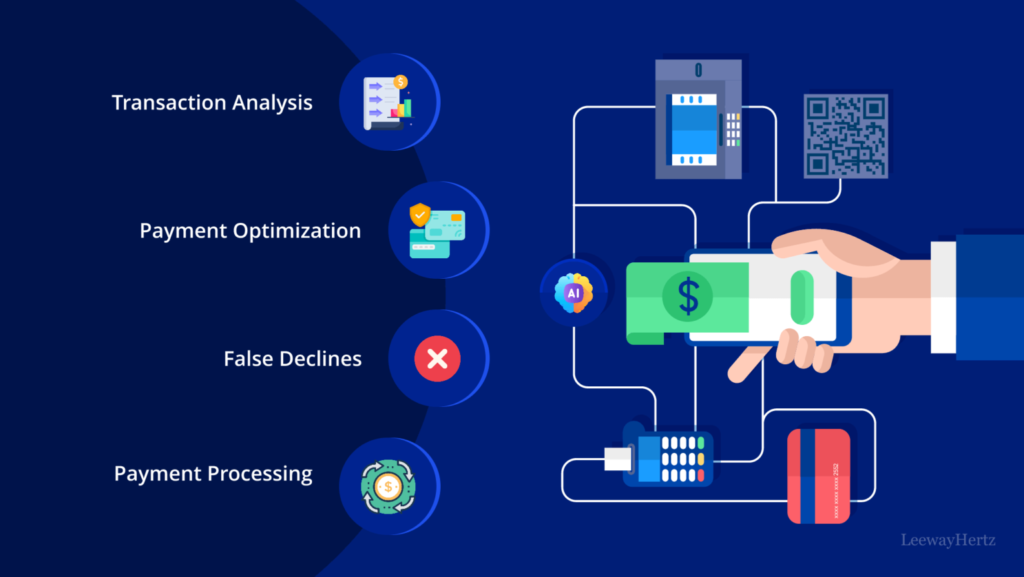
A less obvious but equally important advantage of digital systems is their positive environmental impact. By optimizing routes and scheduling through data analysis, buses can run more efficiently, reducing fuel consumption and emissions. Cashless systems also reduce the need for paper tickets, cutting down on waste and contributing to sustainability goals.
As Kuwait continues to balance its role as an oil-producing nation with global sustainability commitments, such eco-friendly initiatives demonstrate that technological progress and environmental responsibility can go hand in hand.
Challenges in Implementation
While the move toward cashless payments is promising, it does come with challenges. The first is ensuring that the infrastructure is robust enough to handle large transaction volumes without technical failures. Reliable internet connectivity, strong payment gateways, and secure systems must be in place to avoid disruptions.
Another challenge is public adaptation. Some commuters, especially older generations, may resist moving away from cash. Authorities will need to provide reassurance, education, and possibly transitional hybrid systems to ease the shift. Lastly, cybersecurity remains a key concern. Protecting digital transactions from fraud and hacking requires constant monitoring and advanced security measures.
Looking Ahead to the Future
Despite the challenges, Kuwait’s commitment to cashless transport signals a bold and confident step forward. The country is not merely adopting a new technology it is reshaping the way citizens interact with one of the most essential services in their lives.
The future may see further innovations, such as integrating transport payments with national ID cards, offering loyalty rewards for regular commuters, or even using AI-driven systems to predict travel patterns and pre-load discounts for passengers. Kuwait is positioning itself at the forefront of the region’s mobility revolution, ensuring that its citizens and residents enjoy world-class services.
Conclusion: A Future Without Cash in Transit
Kuwait’s push toward cashless smart payments in public transport is more than a technological upgrade it is a cultural shift toward efficiency, safety, and innovation. From shorter queues to safer journeys, from transparent systems to data-driven planning, the benefits are undeniable.
As Kuwait continues to modernize, its transport system will stand as a shining example of how digital transformation can enhance daily life for millions. The journey toward a cashless future is already underway, and the people of Kuwait are set to experience a smarter, faster, and more connected way of moving through their cities.
Also Read – Thriving Tech Hubs Empower Kuwait’s Startup Future

