

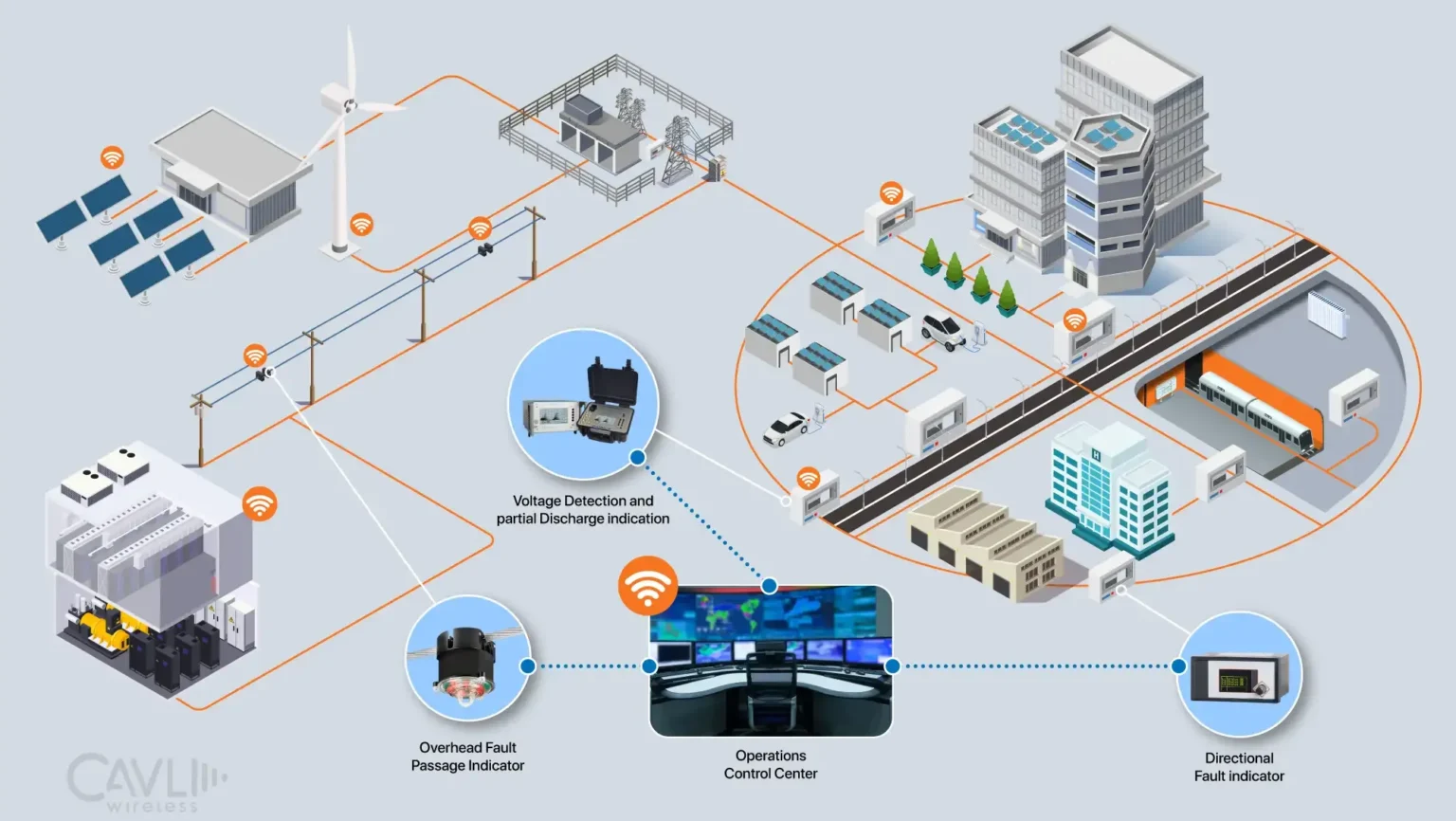
Bahrain has been steadily transforming itself into a nation that balances growth, sustainability, and modern innovation. At the heart of this transformation lies a powerful tool Smart Energy Management Systems (SEMS). These systems are not just technological upgrades; they are a roadmap toward reducing waste, improving efficiency, and creating a more resilient energy future. For a country like Bahrain, where energy is central to economic development, SEMS serve as a bridge between tradition and progress.
Smart Energy Management Systems use intelligent technologies such as real-time monitoring, data analytics, automation, and predictive modeling to optimize how energy is produced, distributed, and consumed. In Bahrain, their role is becoming more critical as the nation seeks to align with global sustainability goals while ensuring a steady flow of power to support industries, businesses, and everyday life.
Why Energy Management Matters for Bahrain
Energy has long been a lifeline for Bahrain’s economy. With a strong reliance on oil and gas, the country has historically built its financial and industrial systems around hydrocarbons. However, the growing need for diversification has pushed Bahrain to look toward renewable energy, efficiency, and sustainability. This is where SEMS becomes essential.
Managing energy effectively means lowering costs, reducing environmental impacts, and creating long-term reliability. In Bahrain’s case, SEMS can help reduce the pressure on traditional energy sources, while also enabling industries and households to use electricity more efficiently. It is not just about saving power it is about securing the future.
The Role of Smart Energy Management in Sustainability
One of the biggest challenges facing Bahrain today is reducing carbon emissions. As the world shifts toward cleaner practices, Bahrain too is embracing green technologies. SEMS play a direct role in making this shift possible. By monitoring how energy is consumed in real-time, these systems can highlight inefficiencies, detect excessive usage, and provide solutions to cut down wastage.
For example, in a commercial building, SEMS can adjust lighting, air conditioning, and other systems based on occupancy and environmental conditions. At the national level, they can help integrate renewable energy such as solar power, ensuring that clean energy flows into the grid without disruptions.
This sustainable approach benefits not only the environment but also the economy. By lowering operational costs, industries can remain competitive while contributing to a cleaner Bahrain.
Enhancing Energy Efficiency Across Industries
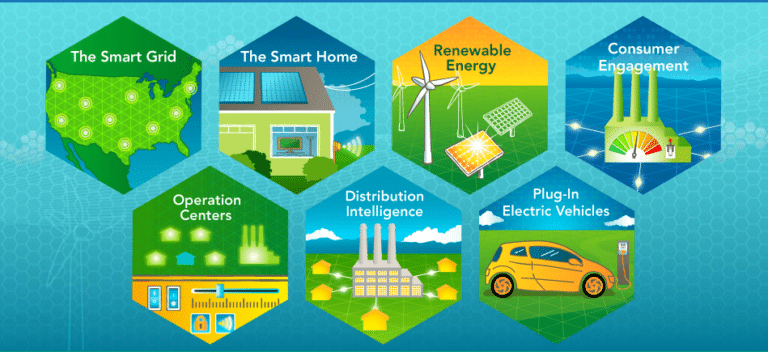
Bahrain’s economy relies heavily on sectors like manufacturing, finance, and tourism. These industries consume significant amounts of energy, and inefficiencies in their energy use can translate into higher expenses and larger carbon footprints. SEMS provide industries with tools to streamline their operations.
For manufacturing, SEMS can monitor machines, track performance, and predict maintenance needs. This prevents energy-intensive breakdowns and optimizes power usage. In hotels and hospitality, SEMS can adjust power consumption based on guest needs, cutting down unnecessary usage. In the financial sector, where large office spaces operate around the clock, SEMS ensures lighting, cooling, and IT systems work intelligently.
These improvements may seem small on an individual level, but collectively, they create a huge impact. Bahrain’s industrial ecosystem becomes more cost-effective, environmentally friendly, and globally competitive.
Supporting Renewable Energy Integration
Bahrain has taken significant steps toward renewable energy adoption, particularly solar. However, integrating renewables into an existing grid is not without challenges. Solar energy is intermittent it depends on sunlight and fluctuates during the day. Without smart systems, this can create imbalances in supply and demand.
SEMS play a crucial role in solving this problem. By predicting energy demand and storing surplus solar power, these systems ensure that clean energy can be delivered when it is needed most. Moreover, they balance the grid by switching between conventional and renewable sources smoothly. For Bahrain, which is working toward diversifying its energy portfolio, this integration is key.
Role of SEMS in Smart Cities
As Bahrain invests in smart city projects, SEMS form a cornerstone of these developments. A smart city depends on intelligent infrastructure that can adapt, learn, and respond in real-time. From traffic management to water distribution, everything is connected and energy forms the backbone of this connectivity.
In Bahrain’s urban areas, SEMS can power smart street lighting that adjusts based on traffic flow, energy-efficient transportation systems, and sustainable housing solutions. The idea is to make cities not just modern but also livable, reducing the strain on resources while improving the quality of life for citizens.
Benefits for Everyday Consumers
While industries and governments reap the large-scale benefits of SEMS, everyday citizens in Bahrain also stand to gain. Imagine a household where the air conditioning adjusts automatically to save energy, lights turn off when no one is home, and electricity bills shrink month after month. This is the reality SEMS can deliver.
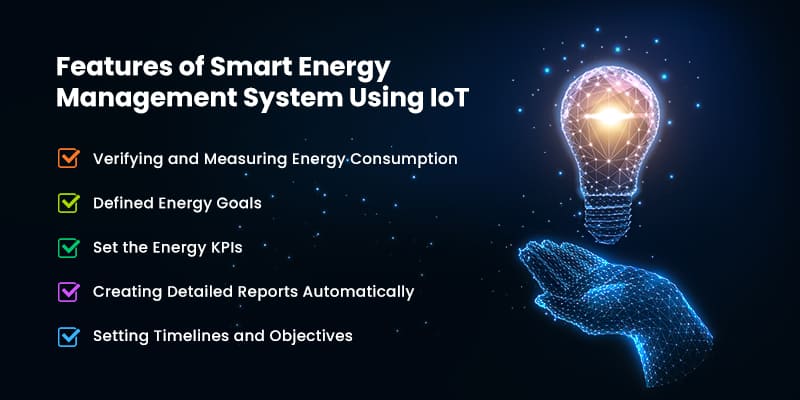
For consumers, the benefits are financial savings, comfort, and peace of mind. They gain control over their usage, with detailed reports and suggestions on how to reduce waste. Over time, this awareness fosters a culture of responsibility, where citizens become active participants in Bahrain’s sustainability journey.
Economic Impact of Smart Energy Systems
The economic potential of SEMS goes beyond cost savings. For Bahrain, investing in these technologies creates jobs, fosters innovation, and attracts foreign investment. Energy management is a growing global industry, and by positioning itself as a leader in this space, Bahrain can build a new pillar of economic growth.
Furthermore, businesses that adopt SEMS enjoy greater competitiveness. Lower energy bills mean higher profits, and reduced carbon footprints make companies more appealing to global partners who value sustainability. For Bahrain’s small and medium enterprises (SMEs), this advantage could be transformative.
Overcoming Challenges
While the benefits are vast, implementing SEMS in Bahrain does come with challenges. High initial costs, lack of awareness, and the need for skilled professionals can slow down adoption. However, these barriers are not insurmountable.
Government support through incentives, awareness campaigns, and training programs can accelerate adoption. Private companies too can play a role by offering flexible financing options for SEMS installation. Over time, the benefits far outweigh the costs, making SEMS a practical and rewarding investment.
Role of Policy and Government
The Bahraini government has been proactive in promoting sustainability and efficiency. Policies that encourage renewable energy adoption, reduce dependency on hydrocarbons, and incentivize energy-saving technologies create the right environment for SEMS to thrive. Government-led projects can serve as models, showcasing the benefits and encouraging wider adoption.
For SEMS to reach their full potential, policy frameworks need to remain supportive, flexible, and aligned with global best practices. Collaboration between the public and private sectors will also be essential.
The Future of Smart Energy in Bahrain
Looking ahead, Bahrain’s energy landscape is set for a major transformation. With the rise of artificial intelligence, big data, and the Internet of Things (IoT), SEMS will become even more intelligent and predictive. The ability to forecast demand, automate responses, and integrate multiple energy sources will redefine how Bahrain manages its resources.
Smart grids, renewable storage, and energy-efficient transport systems will gradually become standard. As these technologies mature, Bahrain will not only meet its sustainability goals but also establish itself as a regional leader in energy innovation.
Conclusion
The role of Smart Energy Management Systems in Bahrain is far more than a technical upgrade. It represents a cultural and economic shift toward sustainability, resilience, and progress. For industries, SEMS reduce costs and improve efficiency. For consumers, they bring comfort and savings. For the government, they ensure energy security and help achieve environmental goals.
As Bahrain continues its journey of growth and modernization, SEMS will serve as one of the pillars of a brighter future. They embody the nation’s vision of being sustainable, competitive, and forward-thinking a Bahrain where energy is not just consumed, but intelligently managed for generations to come.
Do follow Gulf Magazine on Instagram.
Also Read – Bahrain’s Universities Driving Breakthroughs in Biotechnology Research

