


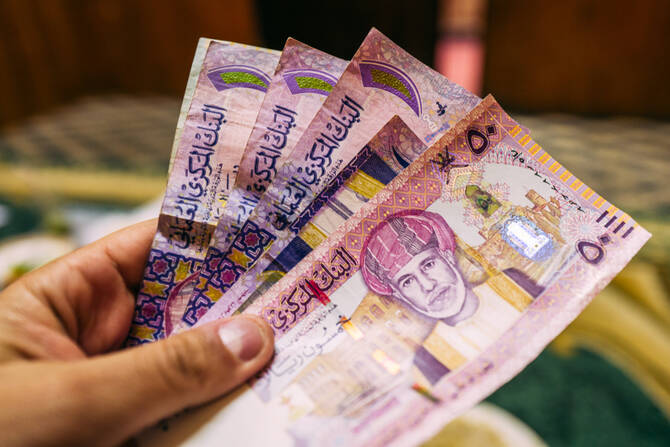
Oman’s financial landscape is experiencing a remarkable surge, with private sector lending reaching an impressive $55.4 billion by July 2025. This 4.6% year-on-year growth underscores the nation’s robust economic momentum and the growing confidence in its banking sector.
A Resilient Banking Sector
The Central Bank of Oman has reported that conventional commercial banks expanded credit by 8% year on year by the end of July 2025. Private sector lending rose 4.6% to 21.3 billion rials ($55.4 billion), according to the Central Bank of Oman. This growth is a testament to the resilience and stability of Oman’s banking sector, which continues to play a pivotal role in driving economic development.
Strategic Investments and Market Dynamics
In addition to the growth in lending, investments in securities have shown varied trends. Holdings of government development bonds climbed 6.3% to 2 billion rials, reflecting investor confidence in Oman’s long-term economic prospects. Conversely, foreign securities declined 15.7% to 2.1 billion rials, indicating a cautious approach amid global economic uncertainties.
Strengthening Capital Buffers
The Central Bank’s 2025 Financial Stability Report highlights the strong capital buffers and high-quality assets within the banking sector. These factors ensure that Oman’s financial institutions are well-positioned to absorb external shocks, maintaining profitability and stability in an ever-evolving global economic environment.
Growth in Private Sector Deposits
Private sector deposits increased 4.1% to 17 billion rials by the end of July, accounting for 66.3% of total deposits with conventional commercial banks. This upward trend in deposits reflects the growing trust of individuals and businesses in the banking system, further bolstering the sector’s liquidity and capacity to support economic activities.
Government and Public Sector Dynamics
On the liabilities side, total deposits with conventional commercial banks grew 3.6% to 25.7 billion rials by the end of July. Government deposits rose 7.1% to 5.8 billion rials, while deposits from public sector institutions fell 11% to 1.7 billion rials. These shifts indicate a dynamic interplay between public sector financial activities and the broader banking sector.
Real Estate Sector Performance
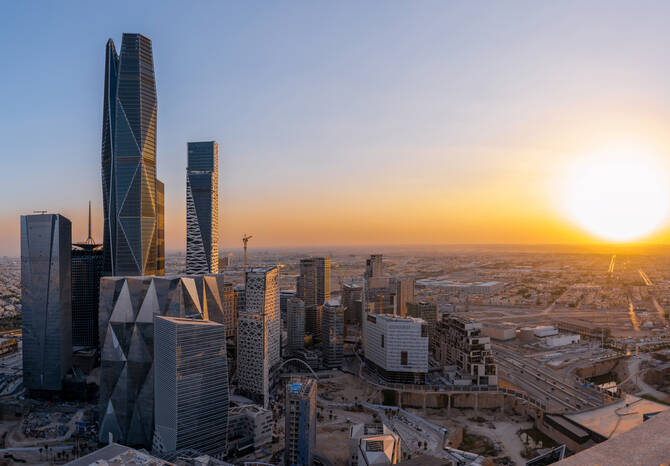
Oman’s real estate sector has also demonstrated significant growth. By the end of August, the total real estate transaction value reached 2.124 billion rials, marking a 9.9% increase from the same period last year. This surge reflects a vibrant property market, driven by both domestic demand and investor interest.
Legal and Mortgage Transactions
Legal transaction fees saw a substantial rise of 81.7% to 79 million rials, indicating increased activity in property-related legal processes. Similarly, sale contract values grew 16.1% to 831 million rials, despite a slight 1% drop in the number of contracts to 43,971. Mortgage contract values rose 6.4% to 1.285 billion rials, highlighting the continued demand for housing and real estate investments.
Property Ownership Transfers
Property ownership transfers increased by 2.6% to 153,764, although transfers to GCC nationals fell 12.8% to 859 ownerships. These trends suggest a diversification in property ownership, with a growing number of transactions involving non-GCC nationals.
Global Credit Rating Affirmation
In a positive development for Oman’s financial standing, S&P Global Ratings affirmed the country’s long-term foreign and local currency sovereign credit rating at ‘BBB-‘ with a stable outlook. This affirmation reflects the government’s commitment to financial reforms and its ability to maintain economic stability despite global economic fluctuations.
Economic Growth Projections
S&P Global forecasts Oman’s real GDP growth to rise from 1.7% in 2024 to over 2% annually during 2025–2028. This optimistic projection is supported by the expansion of the non-oil sector, indicating a diversified and resilient economy poised for sustainable growth.
Conclusion
Oman’s private sector lending growth to $55.4 billion by July 2025 is a clear indicator of the nation’s economic vitality and the strengthening of its financial sector. With strategic investments, robust capital buffers, and a positive credit rating, Oman is well-positioned to navigate global economic challenges and continue its trajectory toward sustained prosperity.
Do follow Gulf Magazine on Instagram.
Also Read – Kuwait Hospital and Hassan’s Optician Forge Powerful Alliance to Transform Eye Care

