


Saudi Arabia telemedicine is reshaping the healthcare landscape across the Kingdom. With rapid technological advancements and increasing demand for accessible medical services, telemedicine has emerged as a vital solution for patients and healthcare providers alike. The expansion of digital health services is transforming how people seek medical care, making it faster, safer, and more convenient than ever before.
A Modern Approach to Healthcare
Telemedicine refers to the use of digital technologies, including video calls, mobile apps, and online platforms, to deliver medical consultations and healthcare services remotely. In Saudi Arabia, the government has been investing heavily in telemedicine infrastructure, aiming to enhance healthcare delivery across urban and rural areas.
The Ministry of Health (MOH) has actively promoted telemedicine services, encouraging hospitals, clinics, and private healthcare providers to adopt digital solutions. This initiative ensures that patients receive timely care without needing to travel long distances, reducing congestion in hospitals and clinics.
How Saudi Arabia Telemedicine Benefits Patients
The benefits of Saudi Arabia telemedicine are far-reaching. Here are some key advantages:
- Convenient Access: Patients can consult doctors from their homes, saving time and effort.
- Faster Medical Attention: Telemedicine enables quicker diagnosis and treatment, especially for minor illnesses.
- Specialist Consultations: Patients in remote areas can access specialist care without traveling to major cities.
- Reduced Hospital Crowding: Digital consultations decrease the number of in-person visits, improving efficiency in healthcare facilities.
- Continuity of Care: Telemedicine allows ongoing monitoring for chronic conditions like diabetes or hypertension through remote check-ups.
Government Support and Initiatives
Saudi Arabia has launched multiple initiatives to strengthen telemedicine services. Programs like “Sehhaty” (My Health) mobile app integrate telemedicine features, allowing patients to book virtual consultations, access medical records, and receive follow-up care.

The government’s Vision 2030 plan also emphasizes the digital transformation of healthcare. Telemedicine is a core component of this vision, aiming to provide high-quality, technology-driven care to all residents. Investments in AI-driven diagnostics, electronic health records, and remote monitoring devices are accelerating this transformation.
Telemedicine in Rural and Remote Areas
One of the most impactful aspects of Saudi Arabia telemedicine is its reach to rural and underserved regions. Many areas in the Kingdom face challenges in accessing quality healthcare due to the shortage of medical professionals and long travel distances. Telemedicine bridges this gap, connecting patients to urban hospitals and specialists without the need for physical travel.
Mobile clinics and telehealth kiosks are being deployed in remote regions to facilitate video consultations. This ensures that even citizens in small towns or desert areas can access quality medical advice and treatments, helping improve overall public health outcomes.
Private Sector Involvement
The private sector has also embraced Saudi Arabia telemedicine, creating innovative digital platforms to support remote healthcare services. Private clinics and startups are launching apps for booking virtual appointments, online prescriptions, and home healthcare monitoring.
For example, some platforms offer round-the-clock access to licensed physicians, nutritionists, and mental health specialists. These services complement government programs and cater to a growing population that seeks flexible and convenient healthcare options.
Telemedicine During Emergencies and Pandemics
The COVID-19 pandemic highlighted the importance of telemedicine in Saudi Arabia. Hospitals quickly adopted virtual consultations to reduce exposure risks for patients and healthcare workers. Telemedicine also played a crucial role in monitoring quarantined patients, providing mental health support, and delivering continuous care to vulnerable populations.
Lessons learned during the pandemic have prompted lasting changes. Healthcare providers now integrate telemedicine into routine services, ensuring preparedness for future emergencies.
Technology and Innovation Driving Telemedicine
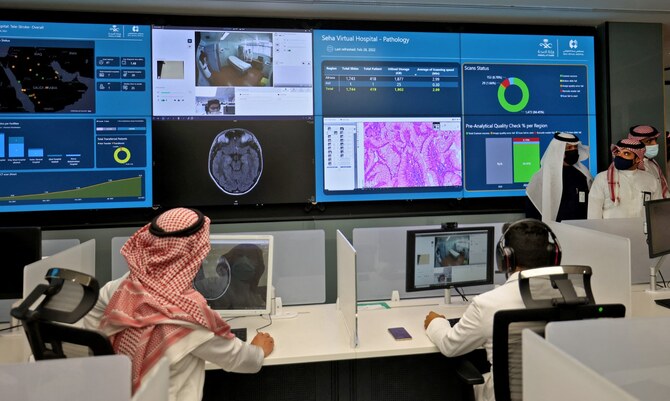
Saudi Arabia telemedicine relies on advanced technologies to provide high-quality care. Some key innovations include:
- Artificial Intelligence (AI): AI-powered diagnostic tools help doctors analyze medical images and detect health conditions quickly.
- Wearable Devices: Patients can track vital signs and share real-time data with physicians for accurate monitoring.
- Electronic Health Records (EHRs): Centralized digital records improve coordination between healthcare providers.
- Mobile Health Apps: Apps allow appointment booking, reminders, teleconsultations, and access to health information.
Challenges and Solutions
While Saudi Arabia telemedicine offers immense potential, it also faces certain challenges:
- Digital Literacy: Some patients, especially older adults, may struggle with using technology.
- Connectivity Issues: Remote areas may have limited internet access, affecting the quality of virtual consultations.
- Data Privacy: Protecting patient information remains a top priority, requiring secure digital systems.
To address these challenges, the government and private sector are investing in digital literacy programs, enhancing internet infrastructure, and ensuring robust cybersecurity measures.
The Future of Telemedicine in Saudi Arabia
The future of Saudi Arabia telemedicine looks promising. With continuous innovation and government support, digital healthcare services are expected to expand further, offering more specialized care, remote surgeries, and AI-assisted medical diagnostics.
Telemedicine will also support preventive healthcare by enabling early detection of diseases and continuous health monitoring. Patients will have more control over their health, with access to personalized care plans and virtual wellness programs.
Conclusion
Saudi Arabia telemedicine is not just a temporary solution—it is a strategic transformation of the healthcare system. By combining advanced technology, government initiatives, and private sector innovation, the Kingdom is making healthcare more accessible, efficient, and patient-friendly.
As telemedicine continues to expand, it promises to enhance the quality of life for millions, especially in underserved regions. With ongoing investments and a focus on innovation, Saudi Arabia is positioning itself as a leader in digital healthcare, setting a benchmark for the region and the world.
Do Follow Gulf Magazine on Instagram
Also read: UAE National Day Holiday 2025 Five Day Break Expected

