


Oman stands as a beacon of cultural richness in the Arabian Peninsula, where ancient traditions seamlessly intertwine with contemporary influences. This harmonious blend reflects the nation’s deep-rooted heritage and its openness to the world. From the bustling souks of Muscat to the serene deserts of the Rub’ al Khali, Oman’s cultural landscape offers a profound glimpse into a society that values history, hospitality, and harmony.
The Heartbeat of Oman: Language and Religion
Arabic serves as the official language of Oman, with the Omani dialect showcasing unique linguistic nuances that distinguish it from other Arabic-speaking regions. Communication here is not just about words but is deeply intertwined with gestures and expressions that convey respect and warmth.
Religion plays a pivotal role in shaping Oman’s cultural fabric. Islam, particularly the Ibadi sect, is the dominant faith, influencing daily life, festivals, and social norms. The principles of tolerance, modesty, and community are central to Omani society, fostering an environment of mutual respect and understanding among its diverse populace.
Traditional Attire: A Reflection of Modesty and Pride
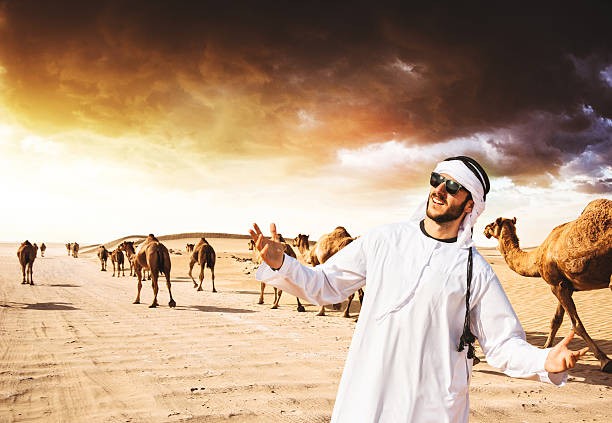
The traditional Omani attire is a testament to the nation’s commitment to modesty and cultural pride. Men typically wear the dishdasha, a long, ankle-length gown, paired with the kumma, a rounded cap adorned with intricate designs. Women don the abaya, a full-length cloak, often complemented by a headscarf, embodying elegance and modesty.
These garments are more than just clothing; they symbolize a deep respect for tradition and are worn with pride during daily activities and special occasions alike. The attention to detail in these outfits reflects the Omani people’s appreciation for craftsmanship and cultural heritage.
Culinary Delights: A Feast of Flavors and Traditions
Omani cuisine is a delightful fusion of flavors influenced by the nation’s maritime history and trade connections. Dishes like mutafay, a tamarind tuna curry, and qabooli rice, a spiced rice dish with lamb, raisins, and cashews, showcase the rich culinary tapestry of Oman.
Meals are often communal affairs, emphasizing the values of sharing and hospitality. It’s customary to eat with the right hand, and dining together fosters a sense of community and belonging. The preparation and sharing of food are seen as acts of love and respect, reinforcing social bonds.
Festivals and Celebrations: Honoring Heritage and Faith
Festivals in Oman are vibrant expressions of faith and culture. Eid al-Fitr and Eid al-Adha are significant religious celebrations marked by communal prayers, feasting, and acts of charity. These occasions bring families and communities together, reinforcing the values of unity and compassion.
One unique celebration is Qaranqasho, held during the middle of Ramadan. Children dress in traditional attire and visit homes, singing songs and collecting sweets, nuts, and money. This tradition not only delights the young but also strengthens community ties and preserves cultural practices.
Arts and Crafts: Preserving Oman’s Creative Legacy
Oman’s rich artistic heritage is evident in its traditional crafts, which have been passed down through generations. Silver and goldsmithing, wood carving, and weaving are prominent crafts that reflect the nation’s artistic prowess and attention to detail.
The souks, or markets, are treasure troves of these handcrafted items, offering visitors a chance to experience the creative spirit of Oman. These crafts are not merely products but are embodiments of the skills, stories, and traditions of the Omani people.
Music and Dance: Rhythms of Tradition
Music and dance are integral to Omani culture, serving as expressions of joy, storytelling, and community bonding. The yowlah, a traditional group dance, is performed during weddings and other celebrations. It involves synchronized movements and chanting, accompanied by drums, and is a display of unity and cultural pride.
These performances are not just entertainment; they are living traditions that connect the present generation with their ancestors, preserving the rich cultural heritage of Oman.
Hospitality: The Omani Way of Welcoming Guests
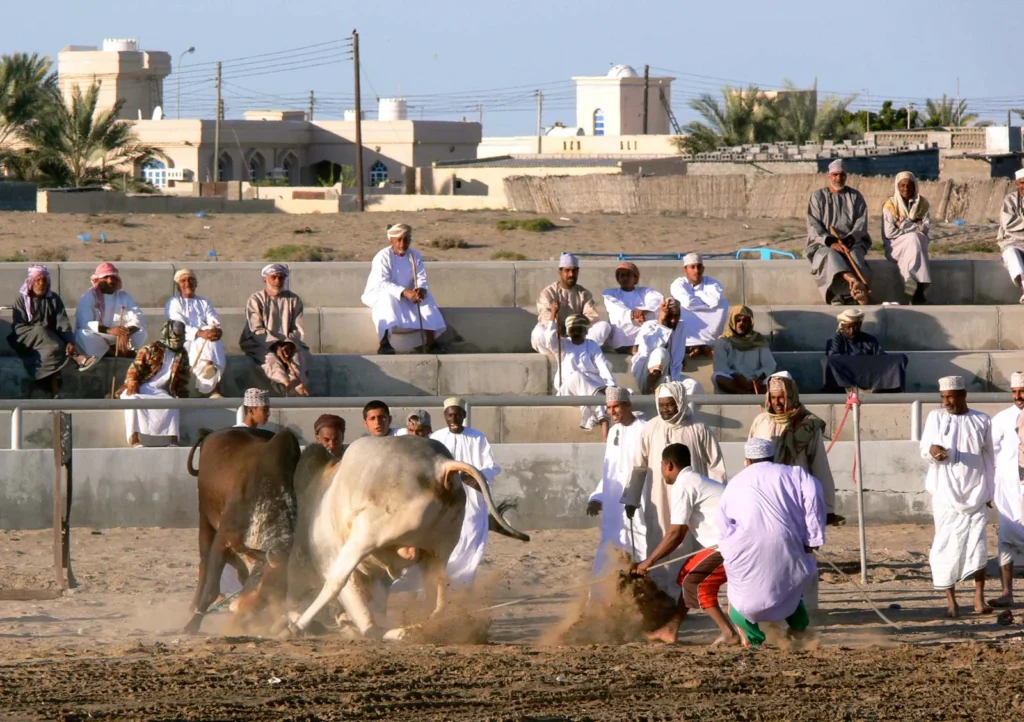
Omani hospitality is renowned for its warmth and generosity. Guests are treated with utmost respect and are often offered dates and Omani coffee, known as kahwa, as a sign of welcome. This tradition reflects the deep-seated values of generosity and community in Omani society.
Hospitality extends beyond mere politeness; it is a reflection of the Omani people’s genuine desire to make others feel at home and valued, embodying the nation’s spirit of kindness and openness.
Architecture: A Blend of Tradition and Innovation
Oman’s architectural landscape is a testament to its rich history and forward-thinking approach. Traditional forts and castles dot the landscape, showcasing the nation’s defensive ingenuity and architectural prowess. These structures are not just historical sites but are integral to understanding Oman’s cultural evolution.
Modern architecture in Oman also reflects a blend of traditional and contemporary styles, with buildings incorporating Islamic design elements while embracing modern functionality. This fusion creates a unique architectural identity that honors the past while looking toward the future.
Family and Social Structure: The Pillars of Omani Society
Family is the cornerstone of Omani society, with strong bonds and mutual support systems. Social structures are deeply rooted in respect for elders, communal living, and shared responsibilities. These values foster a sense of belonging and security within the community.
Social gatherings often revolve around family events, where traditions are upheld, and cultural practices are passed down to younger generations. This emphasis on family and community ensures the preservation of Oman’s cultural heritage and strengthens societal cohesion.
Nature and Environment: Living in Harmony with the Land
Oman’s diverse landscapes, from the rugged mountains to the vast deserts and pristine beaches, play a significant role in shaping its culture. The Aflaj irrigation systems, ancient water channels, are a testament to the Omani people’s ingenuity in managing water resources in arid conditions.
The respect for nature is deeply ingrained in Omani culture, with sustainable practices and environmental conservation being integral to daily life. This harmonious relationship with the environment reflects the nation’s commitment to preserving its natural heritage for future generations.
Conclusion: Oman’s Enduring Cultural Legacy
Oman’s culture and traditions are a vibrant tapestry woven from centuries of history, faith, and community. The nation’s commitment to preserving its heritage while embracing the future creates a unique cultural identity that is both rich and dynamic.
For those seeking to understand the soul of Oman, immersing oneself in its traditions, cuisine, festivals, and daily life offers a profound and enriching experience. Oman’s cultural legacy is not just a reflection of its past but a living, evolving testament to the values and spirit of its people.
Do follow Gulf Magazine on Instagram.
Also Read – Kuwait’s Bold Return: First Dollar Bond Sale in Eight Years Signals Economic Resilience

