

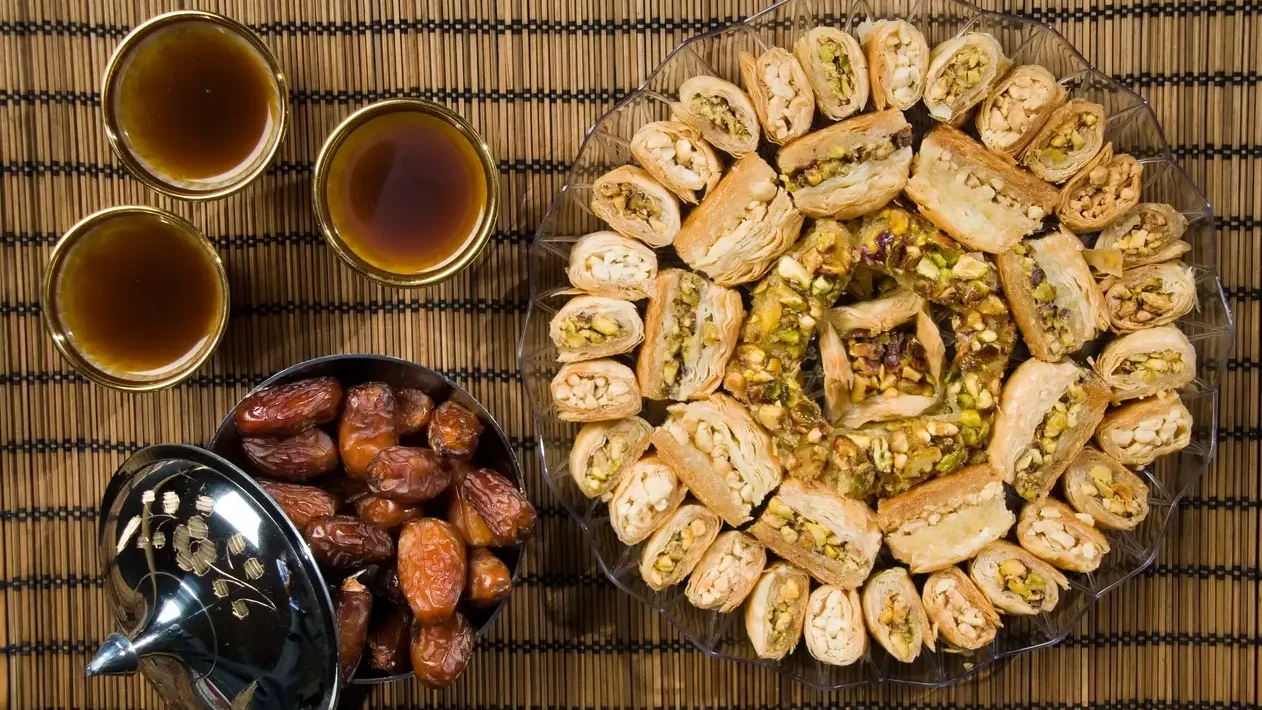
Omani cuisine is a delightful tapestry of flavors, textures, and traditions that reflect the country’s rich cultural heritage and diverse influences. From the bustling markets of Muscat to the serene coastal towns, the food of Oman tells a story of centuries-old trade routes, Bedouin hospitality, and a deep connection to the land and sea. In this article, we will explore the unique aspects that make Omani cuisine both unique and delicious.
A Melting Pot of Influences
Oman’s strategic location on the Arabian Peninsula has made it a crossroads for various civilizations throughout history. As a result, Omani cuisine is a harmonious blend of Arab, Persian, Indian, African, and Mediterranean culinary traditions. This fusion is evident in the spices, cooking techniques, and ingredients used in Omani dishes.
The influence of Indian cuisine is particularly notable in the use of spices such as cumin, coriander, and turmeric. Persian flavors are introduced through the use of saffron and dried limes, while African and Mediterranean influences are seen in the use of ingredients like dates, olives, and fresh herbs. This rich tapestry of influences has given rise to a cuisine that is both diverse and distinct.
The Heart of Omani Meals: Rice and Meat
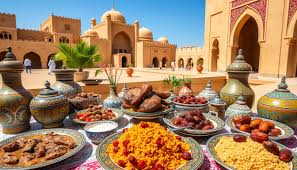
At the core of Omani cuisine lies the combination of rice and meat, often accompanied by a variety of vegetables and legumes. Dishes like Majboos (a spiced rice dish with meat), Mashuai (roasted kingfish with rice), and Shuwa (slow-cooked lamb) showcase the importance of these staples in Omani cooking.
Rice is typically cooked with a blend of aromatic spices, allowing it to absorb the flavors of the meat and other ingredients. The meat is often marinated with a mixture of spices and herbs, then slow-cooked to tender perfection. This method of cooking ensures that the flavors are deeply infused, resulting in dishes that are both flavorful and satisfying.
The Magic of Spices and Herbs
Omani cuisine is characterized by its use of a wide array of spices and herbs, which contribute to its unique flavor profile. Commonly used spices include cardamom, cinnamon, cloves, cumin, and black pepper. These spices are often combined in a special blend known as “Bizar,” which is used to season meats, rice, and soups.
Herbs such as coriander, mint, and parsley are frequently used to garnish dishes, adding a fresh and vibrant touch. The use of dried limes, known as “limoo omani,” imparts a distinctive tangy flavor to stews and rice dishes, further enhancing the complexity of Omani cuisine.
Seafood Delights from the Arabian Sea
With its extensive coastline along the Arabian Sea, Oman boasts a rich variety of seafood that plays a central role in its culinary traditions. Fish like kingfish, hamour, and shark are commonly used in dishes such as Mashuai and Kootan (rice with dried or salted fish).
Seafood is often prepared by grilling, steaming, or slow-cooking, allowing the natural flavors to shine through. The use of fresh herbs and spices further elevates these dishes, making them a favorite among locals and visitors alike.
Sweet Endings: Omani Desserts
No meal in Oman is complete without a sweet treat to end the dining experience. Omani desserts are characterized by their use of natural ingredients like dates, honey, and nuts, combined with aromatic spices such as cinnamon and cardamom.
One of the most beloved desserts is Omani Halwa, a gelatinous sweet made from sugar, ghee, and a variety of nuts. It is often flavored with saffron and served with a cup of Omani coffee, known as Kahwa. Another popular sweet is Khaliat al Nahl, a honeycomb-shaped bread roll filled with sweet cheese and drizzled with syrup.
Communal Dining: A Tradition of Sharing
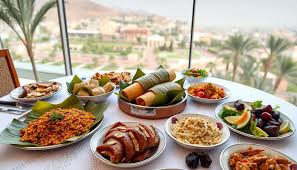
In Oman, meals are often a communal affair, reflecting the country’s strong emphasis on hospitality and family. It is common for dishes to be served in large platters, allowing everyone at the table to share and enjoy the food together.
This tradition fosters a sense of community and togetherness, making dining in Oman not just about the food, but also about the experience of sharing a meal with loved ones. The act of eating together strengthens bonds and creates lasting memories.
The Role of Dates and Coffee
Dates hold a special place in Omani culture and cuisine. They are consumed throughout the day, often paired with a cup of Omani coffee. The dates are typically served as a gesture of hospitality to guests, symbolizing warmth and welcome.
Omani coffee, or Kahwa, is a traditional beverage made by boiling green coffee beans with cardamom. It is served in small cups and is an integral part of social gatherings and ceremonies. The rich aroma and unique flavor of Kahwa make it a cherished part of Omani hospitality.
Culinary Traditions Passed Down Through Generations
Omani cuisine is deeply rooted in tradition, with recipes and cooking techniques passed down through generations. Many families take pride in preserving these culinary traditions, ensuring that the flavors and methods remain authentic.
Traditional cooking methods, such as slow-cooking meat in underground pits for dishes like Shuwa, are still practiced today. These time-honored techniques not only preserve the integrity of the dishes but also connect the present generation to their cultural heritage.
A Feast for the Senses
Omani cuisine is a feast for the senses, offering a delightful array of flavors, aromas, and textures. The careful balance of spices, the use of fresh ingredients, and the emphasis on communal dining create an unforgettable culinary experience.
Whether it’s the rich and tender Shuwa, the aromatic Majboos, or the sweet and fragrant Omani Halwa, each dish tells a story of Oman’s history, culture, and traditions. Exploring Omani cuisine is not just about tasting food; it’s about experiencing the soul of Oman itself.
In conclusion, Omani cuisine stands out for its unique blend of flavors, its rich cultural heritage, and its emphasis on hospitality and community. It offers a culinary journey that is both delicious and enlightening, inviting all to savor the tastes and traditions of this beautiful country.
Do follow Gulf Magazine on Instagram.
Also Read – Celebrating Oman’s Rich Cultural Tapestry Through Festivals

