

Embracing Heritage in a Modern World
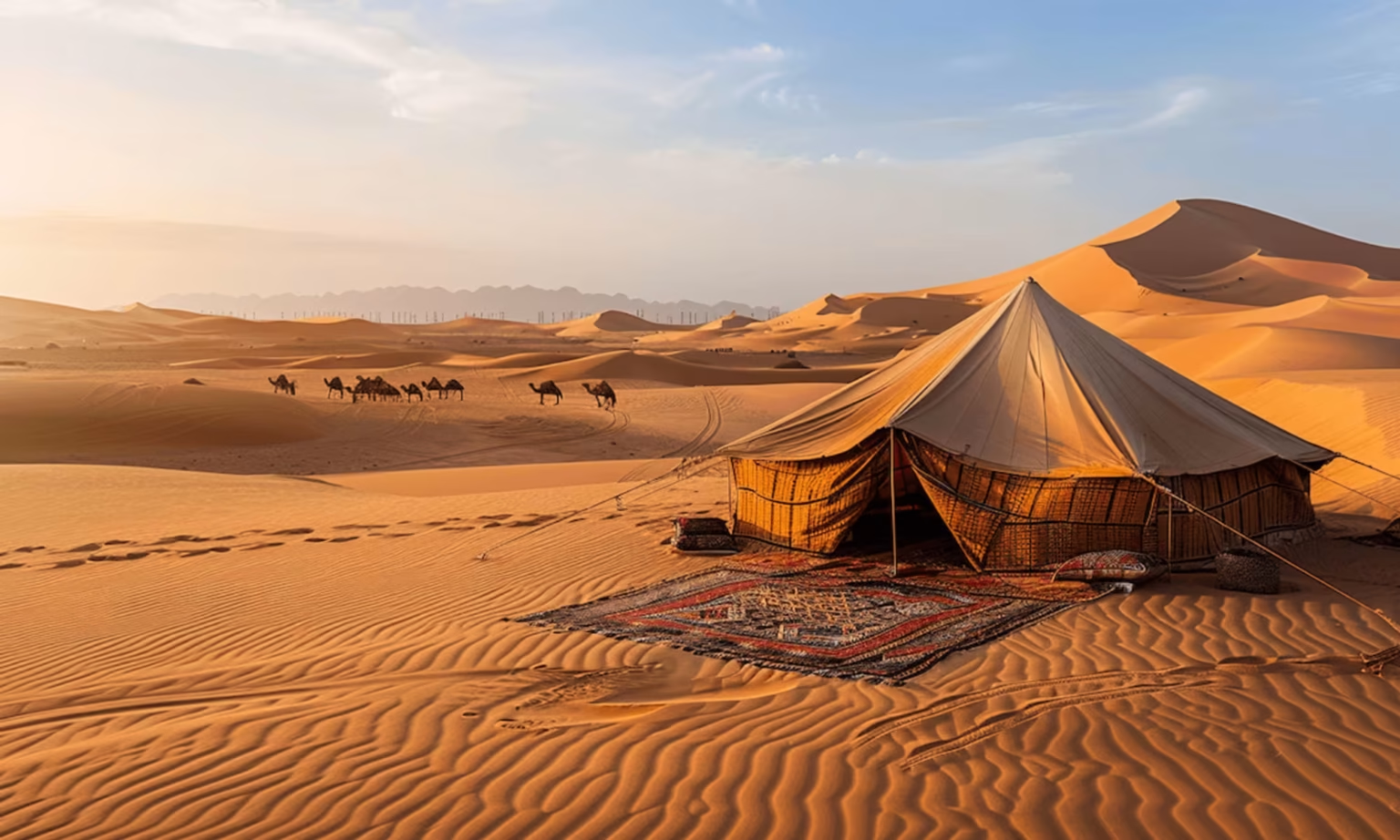
Oman stands as a testament to the harmonious blend of tradition and modernity. In a rapidly changing world, the Sultanate has managed to preserve its rich cultural heritage while embracing the advancements of contemporary life. This balance is not merely a matter of policy but a reflection of the Omani people’s deep respect for their history and their vision for a progressive future.
The nation’s commitment to preserving its heritage is evident in various aspects of daily life. From the architecture of its cities to the customs observed in its communities, Oman has ensured that modernization does not come at the expense of its traditions. This approach has allowed the country to maintain its unique identity while participating actively in the global community.
Architectural Harmony: Preserving the Skyline
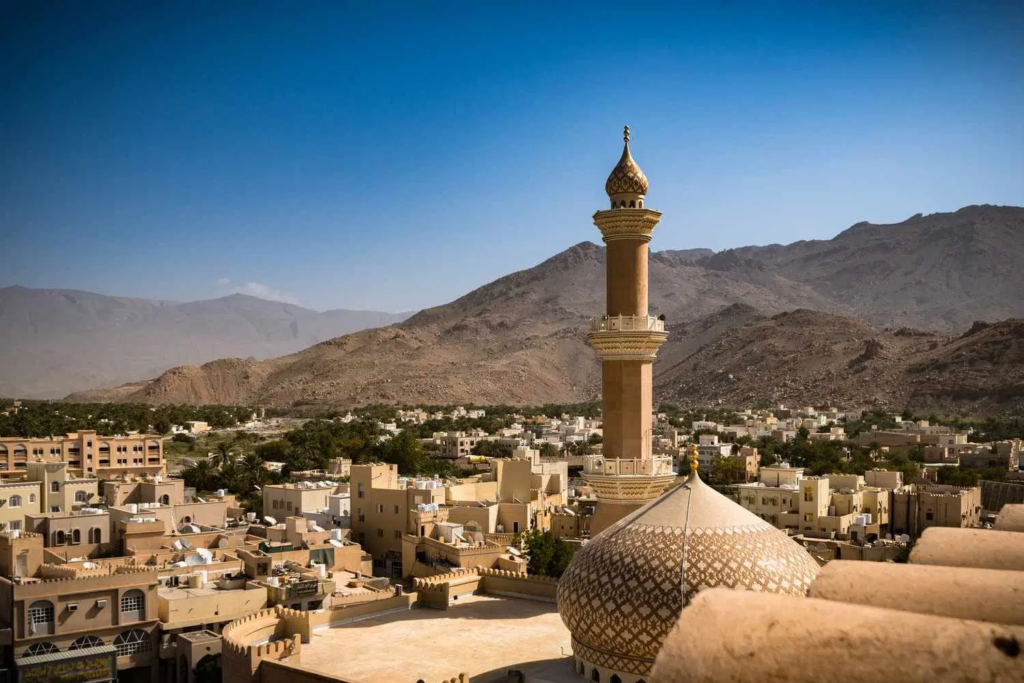
One of the most striking examples of Oman’s dedication to blending tradition with modernity is its architectural policies. The government has implemented regulations that limit the construction of high-rise buildings, ensuring that the natural landscape and traditional architectural styles remain dominant. This policy has not only preserved the aesthetic appeal of cities like Muscat but has also fostered a sense of continuity and respect for the past.
Modern buildings in Oman are designed with a keen awareness of the country’s architectural heritage. Contemporary structures often incorporate traditional elements, such as arched doorways, wind towers, and the use of local materials. This fusion creates a skyline that is both forward-looking and deeply rooted in Oman’s history.
Cultural Festivals: Celebrating Traditions
Omanis take great pride in their cultural festivals, which serve as vibrant expressions of their heritage. Events like the Muscat Festival and the Khareef Festival in Salalah showcase traditional music, dance, crafts, and cuisine. These festivals not only provide entertainment but also serve as platforms for educating younger generations about their cultural roots.
In recent years, these festivals have incorporated modern elements, such as digital art installations and international performances, creating a dynamic fusion that appeals to both traditionalists and modernists. This inclusive approach ensures that the essence of Oman’s culture is preserved while embracing global influences.
Education: Bridging the Past and the Future
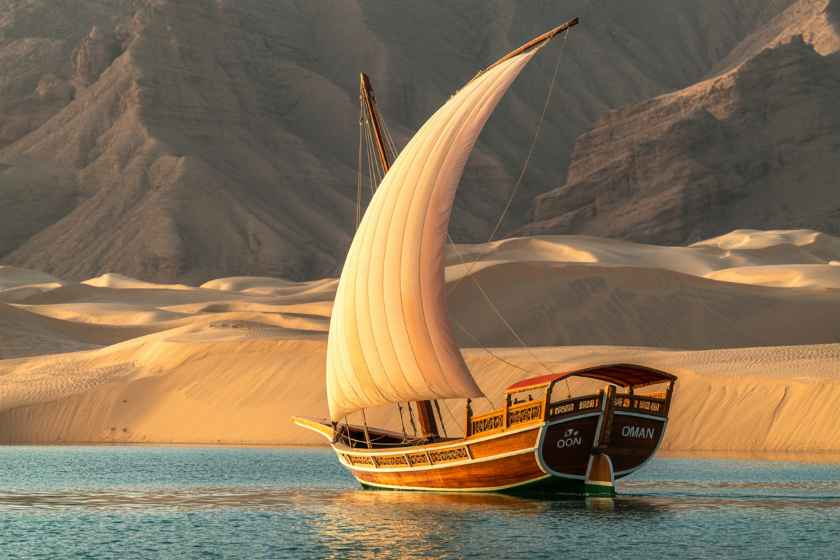
Education in Oman plays a pivotal role in balancing tradition with modernity. The curriculum in schools and universities includes subjects that teach the rich history and cultural practices of the country. At the same time, students are exposed to global perspectives and modern scientific knowledge, preparing them to contribute to a rapidly evolving world.
Institutions like Sultan Qaboos University are at the forefront of this educational approach, offering programs that blend traditional Islamic studies with contemporary disciplines such as engineering, medicine, and business. This integration ensures that graduates are well-rounded individuals who respect their heritage while being equipped to innovate and lead in various fields.
Culinary Traditions: A Taste of History
Omani cuisine offers a delightful blend of traditional flavors and modern culinary techniques. Dishes like shuwa, a slow-cooked lamb, and mashuai, a rice and fish dish, are prepared using age-old recipes passed down through generations. However, contemporary chefs are reimagining these dishes, introducing new ingredients and presentation styles that appeal to modern palates.
Restaurants in Oman often feature menus that honor traditional recipes while incorporating international influences, creating a dining experience that reflects the country’s cultural diversity and openness to innovation. This culinary fusion allows both locals and visitors to enjoy the best of Oman’s gastronomic heritage.
Technology and Tradition: A Symbiotic Relationship
Oman has embraced technology as a means to preserve and promote its cultural heritage. Digital archives, virtual museums, and online platforms have made traditional music, art, and literature accessible to a global audience. These technological advancements ensure that Oman’s rich cultural tapestry is not only preserved but also shared with the world.
Moreover, technology is being used to enhance traditional industries. For instance, artisans are utilizing digital tools to design and market their crafts, reaching customers beyond their local communities. This integration of technology with traditional craftsmanship has opened new avenues for economic development while preserving age-old skills.
Sustainable Development: Protecting the Environment
Sustainability is a core value in Oman’s approach to development. The country has implemented policies that promote environmental conservation, such as the protection of natural reserves and the promotion of renewable energy sources. These initiatives reflect a deep respect for nature, which is an integral part of Oman’s cultural identity.
The preservation of natural landscapes, such as the Al Hajar Mountains and the beaches of the Arabian Sea, is not only important for ecological reasons but also for cultural ones. These areas are often sites of historical significance and are central to the Omani way of life. By protecting these environments, Oman ensures that future generations can continue to connect with their heritage.
Social Values: A Foundation for Progress
At the heart of Oman’s success in balancing tradition with modernity are its social values. Concepts like hospitality, respect for elders, and community solidarity are deeply ingrained in Omani society. These values provide a strong foundation for progress, ensuring that development is inclusive and beneficial to all members of society.
The emphasis on social cohesion and mutual respect fosters a sense of belonging and national pride. It also creates a supportive environment where individuals are encouraged to contribute to the collective well-being, leading to a more harmonious and prosperous society.
Conclusion: A Model for the Future
Oman’s ability to balance tradition with modernity serves as a model for other nations seeking to navigate the complexities of globalization while preserving their cultural identities. The country’s approach demonstrates that progress does not have to come at the expense of heritage. Instead, tradition and innovation can coexist, enriching each other and leading to a more vibrant and sustainable future.
As Oman continues to evolve, it remains steadfast in its commitment to honoring its past while embracing the opportunities of the future. This delicate balance ensures that the essence of Oman’s culture endures, providing a source of pride and inspiration for generations to come.
Do follow Gulf Magazine on Instagram.
Also Read – Discover Oman’s Majestic Wildlife and Protected Natural Wonders

