


Oman’s Pearl Diving Heritage
Oman, a country known for its majestic deserts, stunning coastlines, and rich culture, holds a captivating history of pearl diving that shaped its economy, society, and traditions for centuries. Long before oil wealth transformed the region, Oman’s pearls were regarded as some of the finest in the world. This historic trade not only brought prosperity but also cultivated a unique way of life for coastal communities. Understanding Oman’s pearl diving history gives us a glimpse into the resilience, courage, and ingenuity of its people.
The Origins of Pearl Diving in Oman
Pearl diving in Oman dates back thousands of years, with evidence suggesting that local communities engaged in collecting natural pearls long before modern records were kept. Oman’s location along the Arabian Gulf and the Gulf of Oman provided access to some of the richest pearl oyster beds in the world. Coastal villages relied heavily on the sea, and pearl diving became more than just an occupation; it became a defining feature of Omani identity.
Life of a Pearl Diver
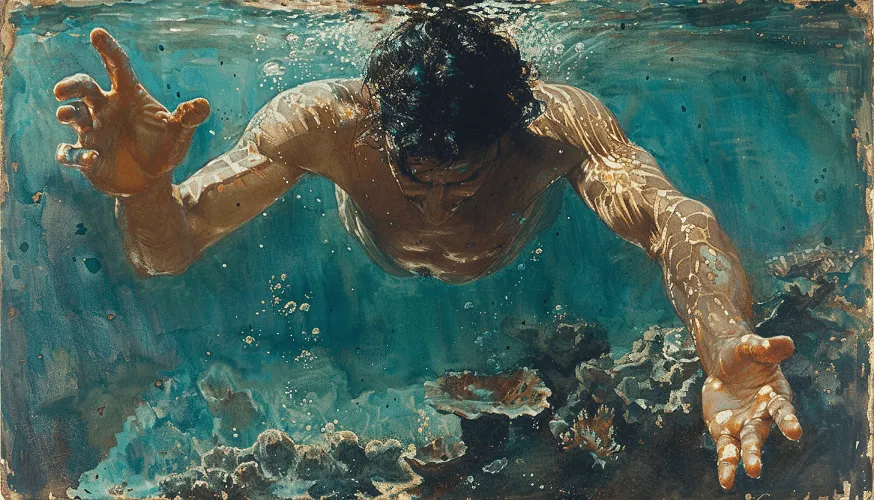
The life of a pearl diver was both physically demanding and dangerous. Divers, often young men, would prepare by fasting and performing rituals believed to protect them from the perils of the deep. They wore simple leather nose clips and carried weighted ropes to reach the ocean floor. Holding their breath for minutes at a time, divers would collect oysters, knowing that each dive carried the risk of drowning, shark attacks, or decompression sickness. Despite these risks, the allure of finding high-quality pearls motivated many to pursue this challenging profession.
The Role of the Dhows and Coastal Trade
Oman’s pearl diving industry was closely tied to the traditional wooden dhows, which served as both homes and workplaces for divers during the season. These vessels were carefully crafted to withstand long journeys and accommodate families, divers, and their equipment. Once harvested, pearls were traded across the Arabian Peninsula, India, and beyond. The dhows not only facilitated commerce but also helped preserve traditional Omani craftsmanship, navigation skills, and maritime culture.
Social and Economic Impact
Pearl diving was more than a job it shaped Oman’s social and economic fabric. Families often depended on the success of a diving season for survival, and communities developed intricate systems to manage the industry. A single exceptional pearl could change a family’s fortune, while poor seasons meant hardship. Merchants, divers, and traders formed a complex network that fostered cooperation, trust, and shared responsibility. The pearls themselves became symbols of wealth, prestige, and cultural pride.
Challenges and Hardships
Despite the wealth pearls brought, life for divers was not easy. Long hours in the sun, freezing cold waters, and the constant threat of underwater hazards tested human endurance. Many divers suffered from respiratory issues, fatigue, and long-term health problems due to repeated deep dives. Families faced emotional strain, worrying about their loved ones’ safety with each journey into the sea. These hardships highlight the resilience and determination of Omanis who built their livelihoods from the ocean’s treasures.
Cultural Traditions and Rituals
Pearl diving influenced Oman’s cultural rituals, songs, and storytelling traditions. Divers often sang traditional chants to boost morale and synchronize diving efforts. Communities held ceremonies to bless the diving season, offering prayers for safety and bountiful harvests. Pearl diving also influenced local art, jewelry, and clothing, with pearls becoming integral to Oman’s cultural identity. Today, these traditions are celebrated in museums, festivals, and heritage events, keeping the memory of this fascinating history alive.
Decline of Pearl Diving
The discovery of oil in the 20th century brought profound economic changes to Oman, shifting the focus away from pearl diving. Additionally, the introduction of cultured pearls in the early 1900s challenged the market for natural pearls. Coastal communities gradually moved toward new industries, while pearl diving became less common. Despite its decline, the legacy of pearl diving continues to inspire national pride and appreciation for Omani maritime heritage.

Preserving Pearl Diving Heritage
Today, Oman is committed to preserving its pearl diving history. Museums, cultural centers, and heritage villages showcase traditional diving techniques, dhows, and artifacts. Educational programs and tourist experiences allow visitors to learn about the courage and dedication required in the industry. By celebrating pearl diving, Oman ensures that future generations understand and value the hard work and traditions that shaped their nation.
Lessons from the Pearl Diving Era
The history of pearl diving offers valuable lessons in perseverance, community, and harmony with nature. Divers relied on skill, patience, and courage to succeed, emphasizing the importance of dedication in achieving goals. Coastal communities exemplified teamwork and resourcefulness, demonstrating how societies can thrive even in challenging environments. This legacy serves as a reminder of the power of human resilience and cultural pride.
Modern Recognition and Inspiration
Pearl diving remains a source of national pride in Oman. The stories of divers, merchants, and their families continue to inspire artists, writers, and cultural enthusiasts. Contemporary Omani jewelry and fashion often incorporate pearls, symbolizing elegance, tradition, and enduring heritage. This recognition helps keep the spirit of the pearl diving era alive, blending history with modern creativity and innovation.
Conclusion
Oman’s pearl diving history is a story of courage, resilience, and cultural richness. From the brave divers who risked their lives to the coastal communities that built an entire economy around this trade, the legacy of pearl diving continues to shape Oman’s identity. By understanding and celebrating this heritage, we gain not only an appreciation for the country’s past but also inspiration for the future. Oman’s pearl diving story reminds us that even the smallest treasures, like pearls hidden beneath the sea, can leave a lasting impact on generations and become symbols of pride, perseverance, and prosperity.
Do follow Gulf Magazine on Instagram.
Also Read- Discovering Oman’s Majestic Wildlife Sanctuaries and Reserves

