

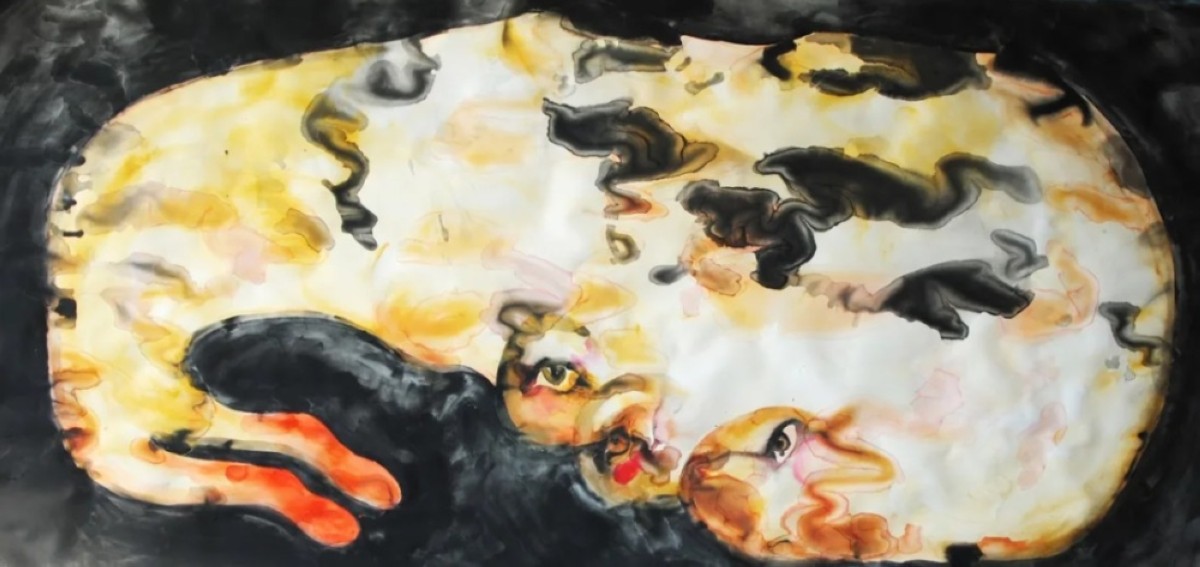
The Rich Legacy of Kuwaiti Art
Kuwaiti art is a vibrant reflection of the nation’s deep cultural heritage and evolving identity. For decades, artists in Kuwait have drawn inspiration from the country’s unique traditions, desert landscapes, and the Arabian Gulf’s maritime history. Traditional art forms, from intricate calligraphy to detailed wood carvings and textile patterns, capture the essence of Kuwaiti life and values. These artistic expressions preserve stories of the past while showcasing the skilled craftsmanship that has been passed down through generations.
Traditional Art Forms and Cultural Identity
Traditional Kuwaiti art is often deeply tied to the everyday experiences and social customs of the people. Calligraphy, particularly in Arabic script, is more than a decorative element; it represents the spiritual and intellectual legacy of the nation. Similarly, crafts like weaving and embroidery highlight the role of community, labor, and patience. Artists often depict scenes from fishing, pearl diving, and desert life, reminding viewers of the country’s historical connection to both land and sea. These art forms serve as a bridge between generations, ensuring that Kuwaiti heritage remains alive and influential even as the country embraces modernity.
Contemporary Art and Modern Expression
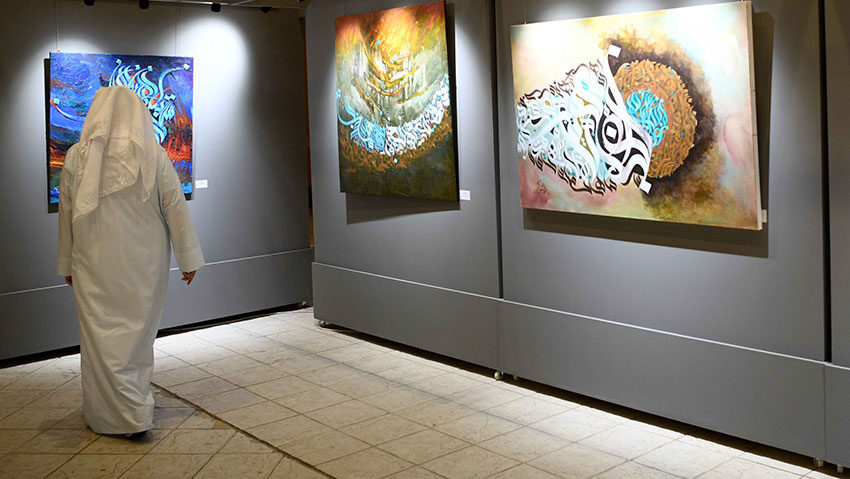
While traditional art preserves history, contemporary Kuwaiti art reflects the nation’s modern experiences and global interactions. Today, Kuwaiti artists experiment with innovative media, including digital installations, abstract paintings, and mixed-media sculptures. These modern forms often explore social themes, personal identity, and urban life. The dynamic combination of tradition and innovation allows artists to challenge conventions while staying rooted in their cultural background. Modern galleries in Kuwait showcase these works, attracting international attention and positioning the country as a hub for artistic creativity in the Middle East.
Art as a Mirror of Social Change
Kuwaiti art does more than depict beauty it mirrors the evolving society. Over the last few decades, the country has undergone rapid urbanization, technological development, and cultural shifts. Artists have responded to these changes, using their work to comment on contemporary issues such as gender, identity, and environmental challenges. Street art, public murals, and experimental installations give a voice to younger generations, emphasizing the power of art to inspire dialogue and social awareness. Through these expressions, Kuwaiti art continues to be both a reflection and a catalyst for transformation.
The Role of Women in Kuwaiti Art
Women have played a pivotal role in shaping the artistic landscape of Kuwait. Female artists contribute to both traditional and modern forms, often highlighting perspectives that were previously underrepresented. Their works celebrate empowerment, challenge societal norms, and provide unique insights into Kuwaiti life. Many female artists also incorporate themes of family, heritage, and personal journey, connecting cultural memory with contemporary experiences. Their growing presence in exhibitions and art initiatives signifies a broader cultural shift toward inclusion and representation.
Integration of Heritage in Modern Media
Kuwaiti artists have found creative ways to merge heritage with contemporary media. Digital art, photography, and multimedia installations allow traditional motifs and historical references to reach global audiences in innovative ways. For instance, calligraphy may be animated in digital projects, or traditional dhow boats may appear in virtual exhibitions, blending past and present. This fusion demonstrates the adaptability of Kuwaiti art and its ability to maintain cultural authenticity while embracing technological advancements.
Art Festivals and Cultural Platforms
Art festivals in Kuwait provide crucial platforms for artists to display their talent and interact with the community. Events like Kuwait Art Week and local gallery exhibitions foster collaboration, encourage experimentation, and highlight emerging talent. These platforms not only nurture the artistic ecosystem but also strengthen the connection between art and society. Visitors can experience diverse styles and mediums, from traditional painting to contemporary installations, fostering appreciation for Kuwait’s rich cultural heritage and modern innovation.
Global Influence and Recognition
Kuwaiti art is gaining recognition beyond national borders, reflecting the country’s cultural diplomacy and engagement with global art communities. International exhibitions, collaborations with foreign artists, and participation in art biennales have brought Kuwaiti creativity to the world stage. These interactions enrich local practices, inspire innovation, and affirm that Kuwaiti artists can honor tradition while contributing to a global artistic conversation. The international acclaim underscores the universal appeal of Kuwaiti art and its capacity to convey stories that resonate across cultures.
The Emotional Power of Kuwaiti Art
At its core, Kuwaiti art resonates because of its emotional depth. It tells stories of resilience, hope, identity, and change. Viewers are invited to reflect on personal and collective experiences, bridging the gap between artist and audience. Whether through a delicate brushstroke capturing desert sunsets or a bold modern sculpture addressing societal issues, the emotional power of Kuwaiti art lies in its ability to connect hearts and minds across generations and borders.
Preserving Tradition While Embracing Innovation
The most remarkable aspect of Kuwaiti art is its balance between tradition and innovation. Artists respect the roots of their culture while exploring new techniques, styles, and narratives. This balance ensures that heritage is not static but evolves alongside contemporary society. It allows Kuwaiti art to remain relevant, engaging, and inspiring, proving that cultural identity and modern expression can coexist harmoniously.
Inspiring Future Generations
The ongoing evolution of Kuwaiti art inspires future generations of artists, scholars, and enthusiasts. Schools, art centers, and community programs introduce young people to both traditional and contemporary forms, fostering creativity, critical thinking, and cultural pride. By celebrating their heritage while encouraging experimentation, Kuwait nurtures a new generation that will continue to innovate while honoring the past. This cycle of inspiration ensures that Kuwaiti art remains a dynamic and enduring force in the cultural landscape.
Conclusion
Kuwaiti art is a powerful testament to the nation’s rich heritage and creative spirit. It seamlessly blends tradition with modern expression, reflecting both the country’s historical roots and its contemporary identity. Through its diverse forms ranging from calligraphy and craft to digital installations and abstract art Kuwaiti artists tell stories that resonate emotionally, socially, and culturally. Their work celebrates heritage, inspires innovation, and fosters connections locally and globally. In doing so, Kuwaiti art not only preserves the past but also shapes the future, proving that culture and creativity can thrive together in a rapidly changing world.
Do follow Gulf Magazine on Instagram.
Also Read – Unveiling the Beauty of Traditional Kuwaiti Architecture and Homes

