


In the vibrant tapestry of Kuwaiti culture, folk dances stand as living testaments to the nation’s rich heritage and communal spirit. These dances are not mere performances; they are expressions of identity, unity, and resilience. From the rhythmic sway of the Khaleegy to the synchronized movements of the Ardha, each dance narrates stories of Kuwait’s history, values, and the enduring bond among its people.
The Cultural Significance of Folk Dances
Folk dances in Kuwait are deeply intertwined with the country’s cultural fabric. They serve as a medium through which traditions are passed down through generations, ensuring that the essence of Kuwaiti identity remains intact. These dances are performed during various celebrations, including national holidays, weddings, and religious festivals, each time reinforcing a sense of pride and continuity.

Khaleegy: The Dance of Elegance
The Khaleegy dance is perhaps one of the most iconic folk dances in Kuwait. Characterized by its graceful movements and the distinctive swaying of long hair, it is traditionally performed by women during weddings and festive occasions. The dance symbolizes beauty, femininity, and the deep connection between the people and the sea, reflecting Kuwait’s maritime heritage.
Ardha: The Sword Dance of Valor
The Ardha, or sword dance, is a powerful male-dominated performance that showcases strength, unity, and pride. Dancers wield swords and perform synchronized movements to the beat of drums, often accompanied by poetic chants. This dance is a tribute to Kuwait’s Bedouin roots and its history of resilience and courage.
Samri: The Circle of Joy
The Samri is a lively circle dance that brings together participants of all ages. Its rhythmic steps and communal nature foster a sense of togetherness and joy. Often performed during weddings and festivals, the Samri embodies the celebratory spirit of Kuwaiti society, where music and movement unite individuals in shared happiness.
Fijiri: Echoes of the Sea
The Fijiri dance is a poetic expression that harks back to Kuwait’s seafaring past. Performed by men, it narrates tales of pearl diving and the challenges faced by Kuwait’s maritime community. The dance is accompanied by traditional music and sung poetry, serving as a reminder of the nation’s deep connection to the sea.
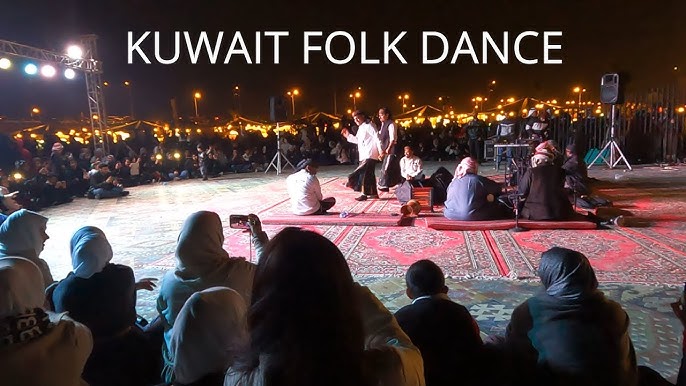
Revival and Preservation Efforts
In recent years, there has been a concerted effort to revive and preserve traditional Kuwaiti folk dances. Cultural organizations, educational institutions, and community groups are actively involved in documenting, teaching, and performing these dances. Festivals and cultural nights provide platforms for showcasing these art forms, ensuring that they continue to thrive in the modern era.
Folk Dances as a Unifying Force
Beyond their aesthetic appeal, folk dances play a crucial role in unifying the Kuwaiti people. They transcend social, economic, and generational divides, bringing individuals together in shared cultural experiences. In a rapidly changing world, these dances serve as anchors, reminding the community of its collective identity and shared values.
Conclusion
Folk dances are more than just artistic expressions; they are the heartbeat of Kuwaiti celebrations. They encapsulate the nation’s history, values, and communal spirit, serving as bridges between the past and the present. As Kuwait continues to evolve, these dances remain steadfast symbols of its rich cultural heritage, ensuring that the stories of its people are told for generations to come.
Do follow Gulf Magazine on Instagram.
Also Read – The Fascinating Craft of Traditional Kuwaiti Music Instruments

