

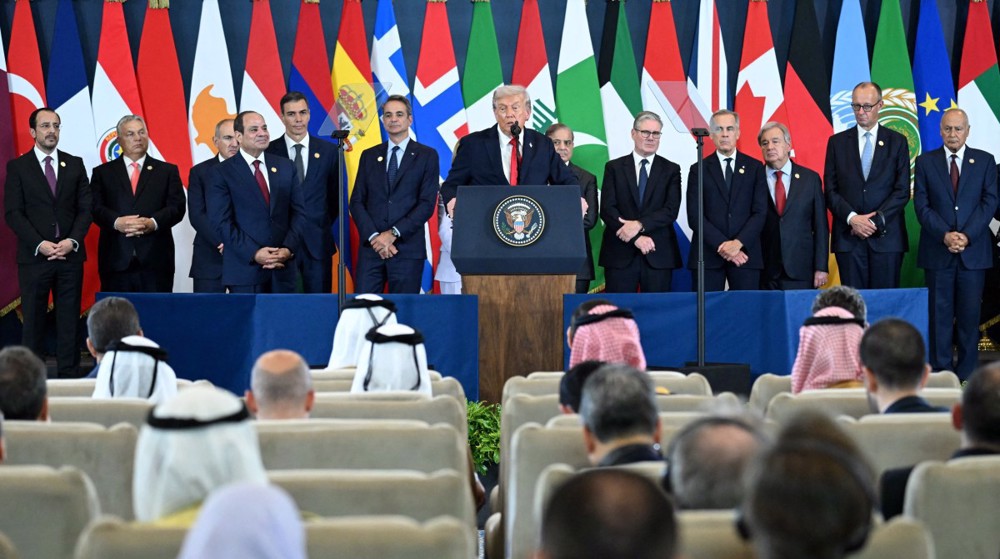
Iranian Foreign Minister Condemns Aggressive Tactics
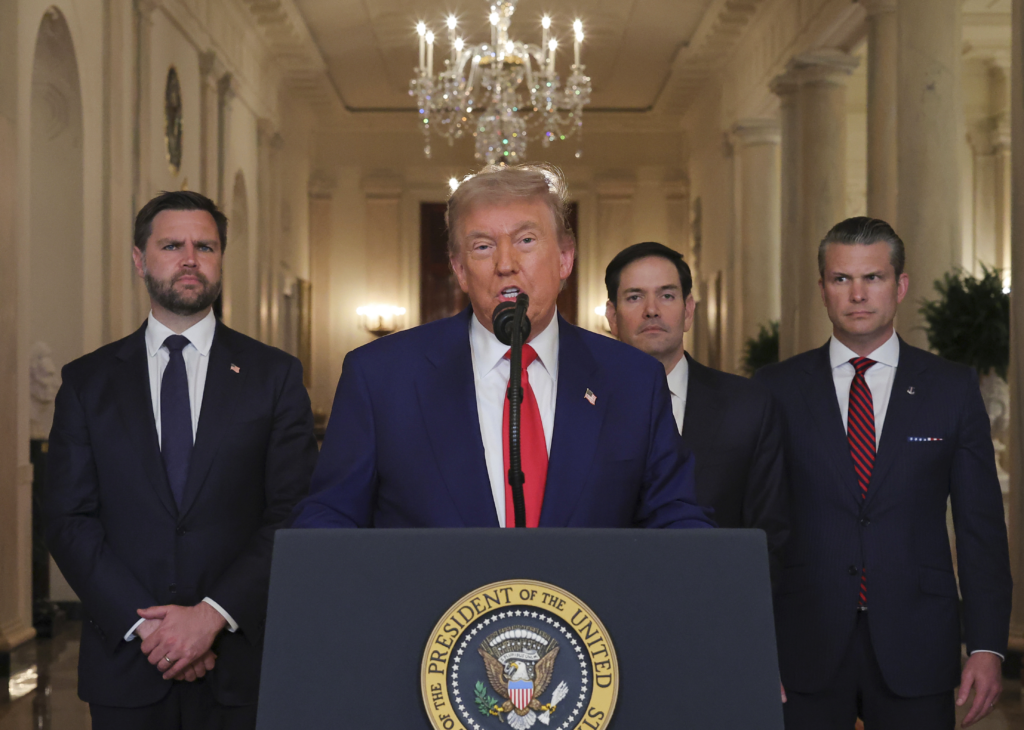
Iranian Foreign Minister has delivered a strong critique of former U.S. President Donald Trump, emphasizing that one cannot claim to be a “President of Peace” while simultaneously provoking conflicts around the world. In a statement that reflects deep frustration, the minister highlighted that global leadership demands responsibility, not just rhetoric. The comments have sparked renewed debate about the role of the United States in international affairs and the responsibilities of world leaders to prioritize diplomacy over confrontation.
The minister’s remarks underline the importance of consistent foreign policy and the dangers of unilateral actions that destabilize regions. They also signal Iran’s ongoing concern about aggressive foreign interventions and its desire for genuine dialogue with global powers rather than threats and sanctions.
The Balance Between Peace and Power
Leadership on a global scale requires a delicate balance between demonstrating strength and promoting peace. According to the Iranian perspective, Trump’s approach leaned heavily toward aggressive posturing, often creating tension rather than fostering cooperation. While some of his supporters praised his firm stance on security, critics argue that the approach undermined trust, escalated conflicts, and threatened global stability.
Diplomacy, experts suggest, should always accompany power. Without it, even the strongest nations can find themselves isolated and facing resistance on multiple fronts. The Iranian Foreign Minister’s statement is a reminder that true leadership is measured not by the ability to dominate, but by the capacity to unite, negotiate, and maintain peace.
Regional Tensions and Global Repercussions
The Iranian official’s criticism also touches upon the broader consequences of provocative foreign policies. Middle Eastern nations, already dealing with complex political dynamics, often bear the brunt of international conflicts. Policies perceived as aggressive by one nation can ignite resentment, deepen divisions, and create long-term instability.
Iran, being a central player in the region, faces both direct and indirect consequences of global power struggles. Its foreign minister emphasized that leaders must think beyond short-term political gains and consider the humanitarian and economic implications of their decisions. Provocations and threats can lead to retaliation, escalating conflicts that affect millions of innocent civilians.
Calls for Accountability and Responsibility
The statement from Iran is not just a critique; it is a call for accountability. Leaders, according to this perspective, must own the impact of their policies. They are reminded that rhetoric matters, but actions carry weight. Promises of peace are meaningless if they coexist with strategies that provoke war or undermine international stability.
Accountability also means listening to international concerns and engaging in cooperative dialogue. The Iranian Foreign Minister suggested that global issues require shared solutions, not unilateral dominance. Countries must act responsibly to foster trust, prevent conflict, and promote collective security, especially in an interconnected world where the repercussions of one nation’s actions ripple across the globe.
Diplomacy Over Aggression
The minister’s remarks strongly advocate for diplomacy as the most effective tool for conflict resolution. While military power and economic influence are important, they cannot replace negotiation, mutual respect, and understanding between nations. True global leadership involves building bridges, mediating disputes, and addressing the root causes of conflict rather than reacting with aggression.
Iran’s criticism emphasizes that the perception of peace must align with tangible actions. Nations cannot claim to champion peace while engaging in policies that provoke unrest. The statement is a call to redefine leadership in the 21st century where soft power, collaboration, and strategic dialogue are prioritized over coercion and confrontation.
Global Reactions and the Path Forward
The international community has closely watched reactions to the Iranian Foreign Minister’s remarks. While some nations view the comments as a routine political critique, others see them as a necessary reminder of the responsibilities that come with leadership. The debate reinforces a growing recognition that global stability depends on collaboration and measured strategies rather than unilateral decision-making.
Many analysts suggest that this moment offers an opportunity for reflection on foreign policy priorities. Leaders around the world are encouraged to rethink approaches, emphasize negotiation, and consider the long-term consequences of aggressive actions. For Iran, the message is clear: countries must foster peace through dialogue and accountability rather than posturing and provocation.
Lessons in Leadership and Peace
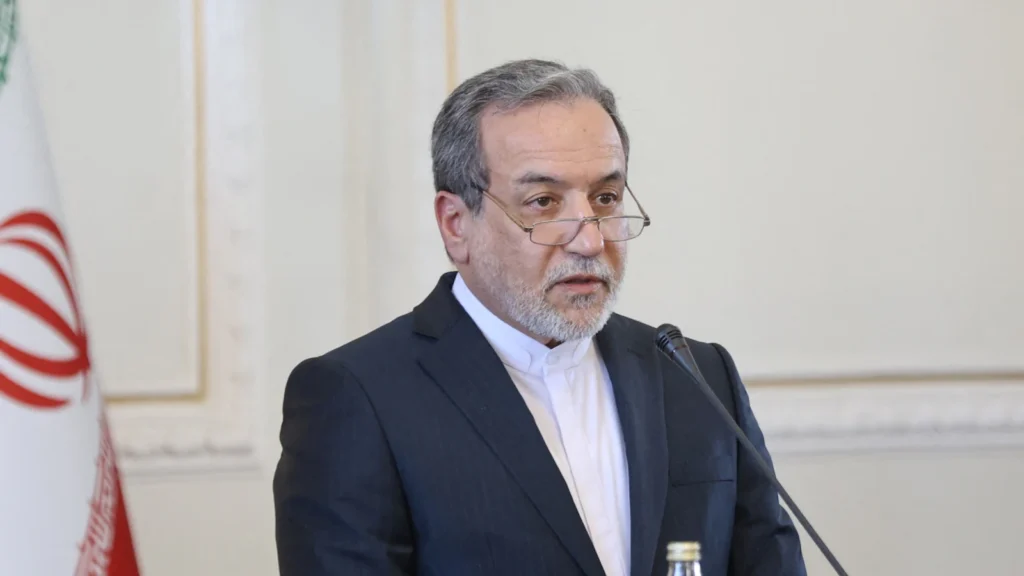
Ultimately, the Iranian Foreign Minister’s statements convey a universal lesson about leadership. True leaders earn respect by promoting stability, protecting human lives, and creating conditions for lasting peace. Words of peace must be matched by tangible policies that demonstrate commitment to global well-being.
The critique also invites citizens and policymakers worldwide to reflect on what it means to lead responsibly. Leadership is not merely a title; it is the consistent pursuit of ethical, balanced, and constructive actions that benefit both national interests and the broader international community.
A Call for Constructive Engagement
As tensions continue to simmer, the message from Iran emphasizes constructive engagement over confrontation. By advocating for diplomacy, accountability, and responsible leadership, the Iranian Foreign Minister challenges global leaders to reconsider their strategies. The hope is that nations will prioritize collaboration, minimize provocations, and work toward a future where peace is not just a slogan but a shared reality.
This statement serves as a reminder that global peace is fragile and requires deliberate, thoughtful action from all leaders. Provocations may offer temporary advantage, but lasting respect, influence, and security come from measured, ethical, and collaborative approaches. In this context, leadership becomes a tool not for dominance, but for fostering trust, dialogue, and sustainable harmony.
Do follow Gulf Magazine on Instagram.
Also Read – BRAVE CF Partners with Palavra Resort Ahead of BRAVE 100 Event

