

In an extraordinary medical case that has stunned doctors and parents alike, surgeons remove up to 100 magnets from a New Zealand teen’s gut after she swallowed the tiny metallic pieces. The procedure, which took several hours and required immense precision, was not only a race against time but also a remarkable example of teamwork, innovation, and medical expertise.
What began as a simple case of stomach pain quickly turned into a complex life-saving operation that captured the attention of the medical community and the public.
A Shocking Discovery During Routine Examination
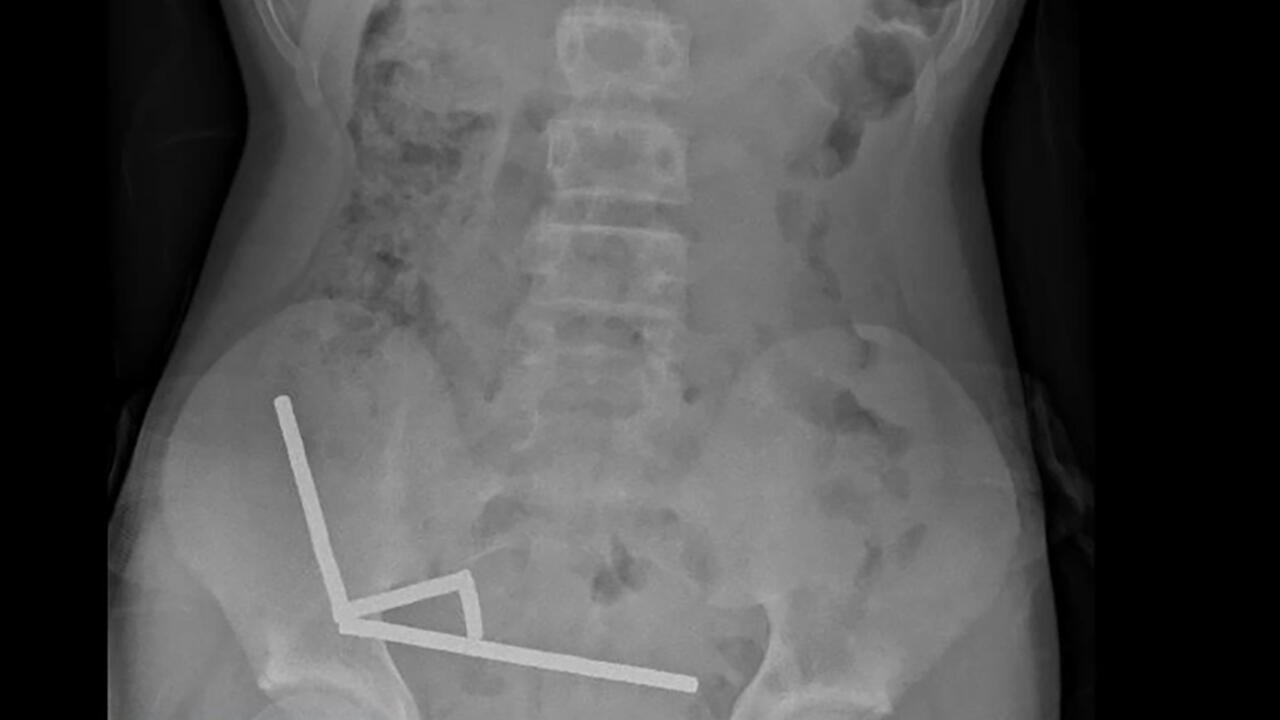
When the 13-year-old girl from New Zealand complained of persistent abdominal pain and nausea, her family initially assumed it was a minor stomach issue. However, when her condition worsened, she was rushed to the hospital, where doctors conducted X-rays and scans to identify the cause.
To their astonishment, the scans revealed dozens of tiny, round magnetic objects clustered in her intestines. The magnets, each about the size of a small bead, were forming dangerous chains and loops inside her digestive tract. The findings were alarming — and immediate surgery was the only option.
This was when the team of surgeons removed up to 100 magnets from the teen’s gut, preventing what could have been a fatal outcome.
How Magnets Can Cause Life-Threatening Damage
Swallowing magnets might sound harmless, but the medical consequences can be devastating — especially when more than one is ingested. Once inside the body, the magnets attract each other through the intestinal walls, trapping tissue in between. This can cut off blood flow, cause tissue death, or even create holes in the intestines.
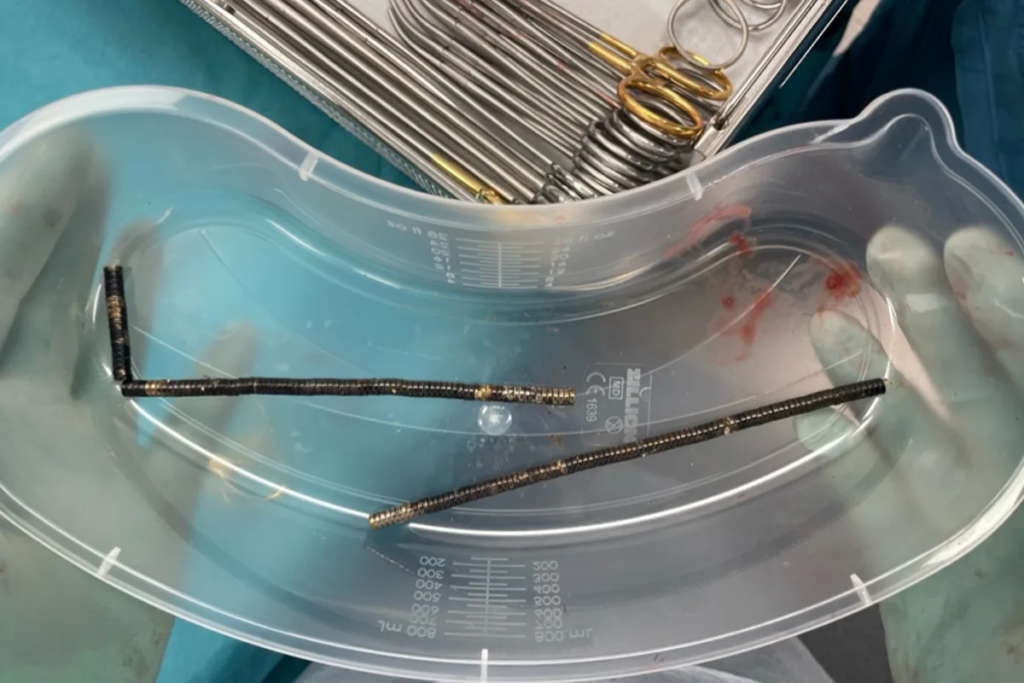
When surgeons removed up to 100 magnets from the New Zealand teen’s gut, they discovered several sections of her intestine were already damaged. The magnets had linked together in multiple chains, tearing and compressing delicate tissue.
Without urgent surgical intervention, the magnets could have caused massive internal infection, sepsis, or death within hours. The successful operation was nothing short of miraculous.
The Challenging, Hours-Long Operation
The surgical team faced an intricate task — carefully extracting the magnets while minimizing further harm to the teen’s organs. Each magnet had to be detached individually, as their magnetic force made them cling tightly together even inside the intestines.
Surgeons described the procedure as “like separating links from a metallic chain inside a fragile balloon.” Precision, teamwork, and experience were essential. After hours of delicate work, the team finally succeeded: they had removed up to 100 magnets from the New Zealand teen’s gut safely.
The operation was followed by a series of repairs to the damaged intestinal tissue. The patient was then moved to the intensive care unit for recovery.
A Painful Lesson in Curiosity and Risk
Doctors believe the teen likely swallowed the magnets — possibly from a magnetic toy set — out of curiosity or absentmindedness. These small, colorful magnets are often used in craft kits or desk toys and can look deceptively harmless.
This case serves as a powerful reminder to parents, teachers, and caregivers about the dangers of magnetic objects. Ingesting even two magnets can be life-threatening. When surgeons removed up to 100 magnets from the teen’s gut, it emphasized the unimaginable risks of such tiny items when mishandled
Post-Surgery Recovery and Emotional Healing
Following the surgery, the teen spent several days under close observation. Doctors monitored her digestive functions, infection risks, and nutritional recovery. Thankfully, her body responded well to treatment, and she was soon able to resume light eating and movement.
Emotionally, however, the experience left a deep mark. Both the teen and her family were shaken by how close she came to losing her life. Medical staff provided counseling support to help her cope with the trauma and guilt associated with the incident.
Today, she is recovering steadily and, according to her doctors, will lead a normal, healthy life. The fact that surgeons removed up to 100 magnets from her gut without permanent damage stands as a testament to modern medicine and timely intervention.
Doctors’ Warning: A Rising Trend Among Children and Teens
Pediatric surgeons in New Zealand and around the world have noticed an alarming increase in similar cases over the past decade. Tiny magnetic balls and “Buckyballs” are popular among children and teenagers, who may not understand their risks.
When swallowed, these magnets can link up inside the intestines, creating dangerous pressure points that lead to punctures or blockages.
Experts warn parents to keep such items out of reach, stressing that swallowing magnets can be far more dangerous than swallowing coins or batteries. The case where surgeons removed up to 100 magnets from the teen’s gut is now being used in public health campaigns to raise awareness and encourage safety measures at home.
Inside the Teen’s Mind: Why Do Such Incidents Happen?
While it might seem incomprehensible to adults, many children and teens experiment with foreign objects out of curiosity, boredom, or peer influence. Some even challenge themselves to “test” how many magnets they can stick together using their tongues — unaware of the life-threatening risks.
Psychologists explain that impulsive behavior and limited understanding of consequences often drive such actions. In this case, the teen admitted she didn’t realize how dangerous it could be until she started feeling severe pain.
Her story now serves as an important cautionary tale — one that she hopes will prevent others from making the same mistake.
A Medical Miracle: Precision and Teamwork Save a Life
The fact that surgeons removed up to 100 magnets from a New Zealand teen’s gut without causing permanent damage is being hailed as a medical triumph. Surgeons, anesthesiologists, nurses, and support staff all played vital roles in the operation.
One of the lead surgeons noted that the magnets’ force made them stick to the surgical instruments, complicating every move. Despite the challenge, the team’s coordination and composure ensured the teen’s survival.
Such success stories highlight not only the advancements in surgical techniques but also the resilience and skill of medical professionals who perform under extreme pressure.
The Role of Imaging and Technology in Saving the Teen
Modern medical imaging played a crucial role in detecting the exact number and location of the magnets. High-resolution X-rays and CT scans helped doctors map out the surgical plan before operating.
Technology also assisted during the operation, allowing surgeons to monitor progress in real time and ensure that every magnet was successfully removed.
Without these innovations, identifying and extracting up to 100 magnets from the teen’s gut would have been far more dangerous and time-consuming.
Raising Awareness: A Call to Parents and Manufacturers
Health authorities and pediatric specialists are now urging toy manufacturers to strengthen safety standards for products containing small magnets. Clear labeling, warning signs, and stricter regulations can help prevent similar accidents.
Parents, too, play a critical role in prevention. Keeping magnets, button batteries, and small detachable toy parts away from children is essential.
The New Zealand teen’s ordeal, where surgeons removed up to 100 magnets from her gut, has prompted renewed discussions about child safety policies and product accountability.
The Emotional Toll on Families and Medical Teams
Cases like this don’t just affect the patient — they leave lasting emotional scars on families and even medical staff. Parents often experience guilt, wondering how they could have prevented the accident. Meanwhile, surgeons and nurses endure immense stress performing life-or-death operations, knowing that every second counts.
After the successful surgery, many of the medical professionals involved admitted they were both relieved and inspired. Their ability to save a life under such extraordinary circumstances reaffirmed their commitment to their work and to the people they serve.
Lessons Learned and a Brighter Future Ahead
The teen’s survival is more than just a medical success — it’s a story of resilience, awareness, and hope. Her experience has already sparked important conversations in schools and communities about the dangers of small magnets and responsible toy use.
Doctors say her case could help change safety regulations in New Zealand and potentially worldwide. By sharing her journey, the family hopes to educate others and prevent future tragedies.
This remarkable event — where surgeons removed up to 100 magnets from a New Zealand teen’s gut — will be remembered not just as a miracle of medicine, but as a lesson in vigilance and compassion.
Conclusion: A Golden Reminder of Human Ingenuity
The case serves as a vivid reminder of both human vulnerability and the incredible power of medical science. It showcases how quick thinking, advanced technology, and human empathy can turn a potential tragedy into a story of survival and hope.
As the New Zealand teen continues her recovery, her story stands as a beacon — urging awareness, responsibility, and gratitude for the heroes in scrubs who make the impossible possible.
In a world where accidents can happen in an instant, stories like these remind us that behind every life saved are people who refuse to give up — and that’s what truly makes this story shine.
Do follow us: Instagram
Read More: Richard’s Coffee in Shuwaikh– Artisan Coffee with an Industrial Vibe

