


A Changing Horizon in Kuwait
The Gulf nation of Kuwait is undergoing a significant shift. Over recent years, the expatriate population has begun to decline, while the share of Kuwaiti nationals is increasing. What once was a dynamic of ever rising foreign workers is now subtly but unmistakably changing. This isn’t just about numbers, it’s about lives, hopes, and an evolving social contract.
What’s the Data Telling Us?
Recent figures show that Kuwait’s total population has dipped slightly, largely because the number of expatriate residents decreased. Meanwhile, the number of Kuwaiti citizens rose. The trend reflects a deliberate national strategy, combined with tighter immigration and labour rules.
Why the Shift is Happening
There are a number of interlocking reasons driving this transition:
- Labour nationalisation efforts: The government is implementing policies that make it easier for Kuwaitis to occupy jobs formerly held by expatriates, especially in the public sector.
- Stricter immigration and visa rules: New regulations limit entry or renewal of work permits for certain types of foreign workers, particularly in roles deemed replaceable by nationals.
- Demographic objectives: There is a stated goal to adjust the population ratio so citizens have a larger share of the national workforce and society.
- Economic and pandemic after effects: The effects of the global pandemic accelerated parts of the decline in expat numbers and exposed dependence on foreign labour in some sectors.
What This Means for Expatriates
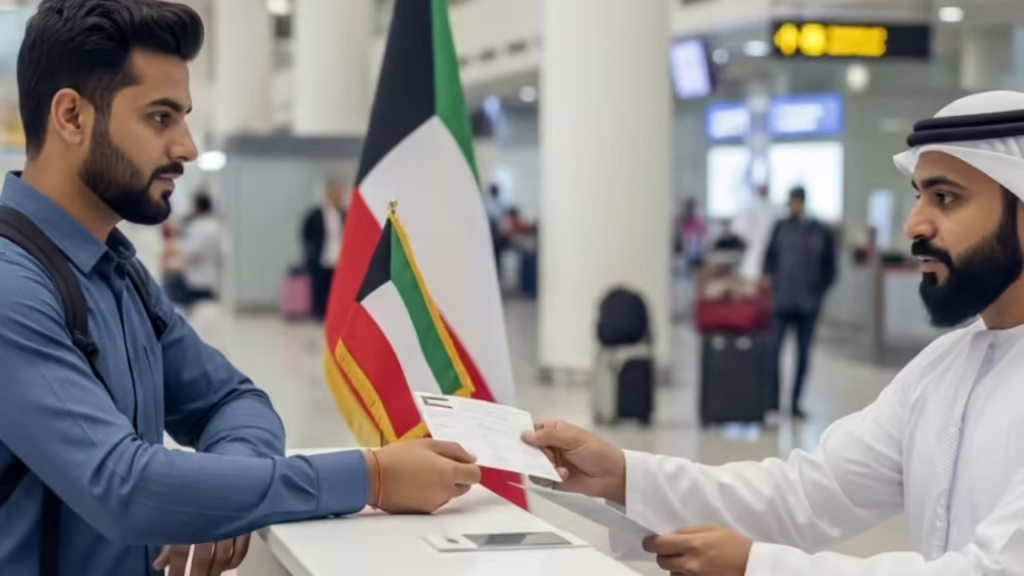
For many expatriates, the shift means greater uncertainty and the need for recalibration. Some are finding their contracts not renewed or their careers without stability as before. Others may choose to leave proactively or move to other markets with more welcoming labour frameworks. At the same time, for those who stay, there’s a clearer need to bring in unique skills, higher value roles, or new entrepreneurial initiatives if they are to remain competitive under the changing rules.
Benefits and Opportunities for Kuwaitis
From the perspective of Kuwaiti nationals, the shift offers positive possibilities:
- More job opportunities in sectors where they were under represented before.
- A potential boost in youth employment as the country places emphasis on human capital for its young population.
- A clearer path to sustained economic participation and ownership of businesses or roles that previously were dominated by foreign labour.
These changes support the notion of national empowerment and align with aspirations for a more balanced society.
Challenges and Balancing Acts
However, the transition is not without its challenges. Some of these include:
- Skills mismatch: Some sectors relied heavily on expatriate labour for specialised or manual tasks. Replacing those roles with nationals may require major training and upskilling efforts.
- Business impact: Private firms accustomed to tapping into large pools of foreign labour might face increased costs or labour shortages unless they adapt quickly.
- Social fabric dynamics: Expatriates are woven into Kuwait’s daily life and economy. A significant drop in their numbers may ripple through communities, services, and cultural layers.
- Global competitiveness: As regional economies compete for talent and investment, overly rigid frameworks might deter high value foreigners or hinder dynamic growth.

A Human Face to the Numbers
Consider the story of a young engineer from abroad who moved to Kuwait many years ago, built a life, paid taxes, supported a family and now finds the climate subtly shifting around them. Or the Kuwaiti graduate hoping to make his mark in his homeland, who sees doors opening as nationalisation policies gain momentum.
Such individual journeys bring home the fact that these macro trends are deeply personal. They affect livelihoods, family plans, career trajectories, and emotional ties to place.
Future Outlook: What’s Next?
Looking ahead, several evolving trends will shape how this shift plays out:
- Increased emphasis on high skill immigration: As low skill foreign labour declines, Kuwait may prioritise fewer but more specialised expatriate roles, those that complement rather than compete with nationals.
- Automation and technology: To bridge labour gaps, sectors may lean into automation, robotics, and digitalisation, changing the nature of work for both nationals and expats.
- Policy fine tuning: The government may adjust regulations further, either loosening some to attract foreign talent or tightening others to accelerate national employment.
- Regional ripple effects: With other Gulf states also reshaping labour markets, expatriates may view the region as one interconnected opportunity zone, so shifts in Kuwait will influence migration patterns elsewhere.
Why the Shift Matters More Than You Think
This story of Kuwait’s expat decline is not just a local phenomenon, it speaks to broader themes: how countries manage globalisation, how communities adapt to demographic change, how labour markets reconcile growth with national identity. The decisions made today in Kuwait will reverberate across the Middle East and beyond. For expatriates and nationals alike, understanding these shifts is key to navigating the future.
Final Thoughts
In a world where economic landscapes evolve fast, the balance between foreign labour and national participation is delicate yet decisive. Kuwait’s move to shrink its expatriate base might sound restrictive on the surface, but from another angle, it reflects a deep belief that its citizens deserve priority, opportunity, and the dignity of meaningful work in their homeland.
For those living in Kuwait, whether expatriate or national, the message is clear: change is afoot. Adaptation, foresight, and engagement will define who benefits in this emerging chapter. And for the broader global community, Kuwait’s journey offers a case study in transition, showing how a nation reshapes itself in response to internal aspirations and external realities.
Do follow Gulf Magazine on Instagram.
Also Read – Boost Your Finances: Gulf Bank’s Salary Account Delivers Big Rewards

