

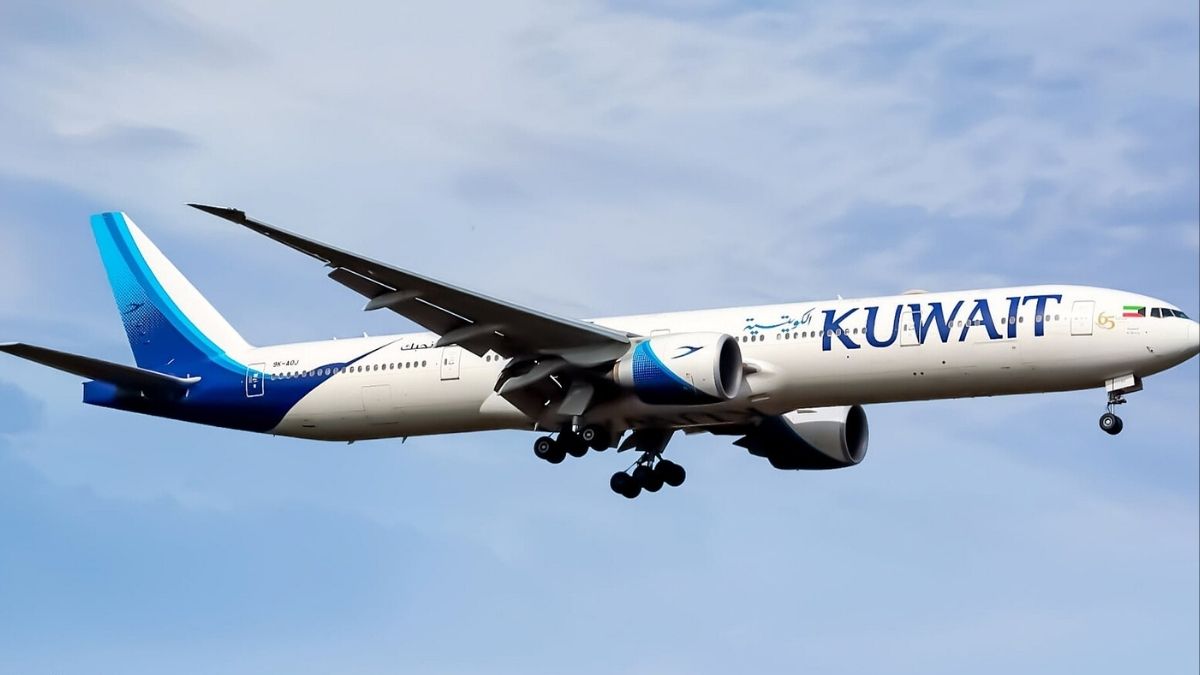
The decision by Kuwait Airways to resume flights to Colombo from 26 October marks a strategic moment for both the airline and travellers. The route will be reinstated after a hiatus, signalling renewed confidence and offering fresh opportunities. With four weekly flights set to operate, the carrier is clearly making a bold bet on demand between Kuwait and Sri Lanka.
Yet every revival comes with risk. As the airline embarks on this renewed journey, a careful risk analysis reveals a mix of favourable prospects and potential pitfalls. This article digs into the details, humanising the outlook and helping you understand what this means whether you’re a frequent flyer, industry watcher, or just curious.
Strategic Rationale Behind the Relaunch
For Kuwait Airways, the return to Colombo is not just about adding a destination; it is about seizing a moment.
Strengthening connectivity
Colombo, as the capital and commercial hub of Sri Lanka, represents a valuable node in South Asia. By reconnecting Kuwait City with Colombo, the airline opens up greater convenience for travellers from the Gulf region, as well as Sri Lankan expatriates living in Kuwait or the Middle East. The relaunch of four weekly flights underscores this commitment.
Responding to demand
The flight restart suggests that Kuwait Airways believes sufficient passenger traffic exists to support this route. Whether driven by tourism, business travel, or diaspora movement, the airline is betting there is a consistent flow of travellers eager to fly between the two hubs. This is a human centric move, recognising real people, families, business ties, and cultural links.
Brand and network expansion
For the airline, resuming the route also sends a positive signal: that it is in growth mode, restoring and expanding its network despite global aviation headwinds. The move enhances the carrier’s image and gives travellers more choice. Historically, Kuwait Airways ceased this route in 2021 and only now is reintroducing it for the 2025/26 winter season.
In short, the strategic rationale is compelling: connectivity, demand recognition, and network fortification.

Risk Factors to Consider
While there’s optimism, several risk factors deserve attention. A transparent view of risks helps both the airline and passengers be better prepared.
Operational and regulatory risks
Resuming international operations involves regulatory oversight, slot allocations, airport logistics, and crew readiness. For instance, any changes in bilateral agreements between Kuwait and Sri Lanka, or unexpected regulatory hurdles, could introduce delays or cost overruns.
Additionally, operating four weekly flights means more exposure to disruptions such as weather, technical issues, crew scheduling problems or airspace restrictions. If disruptions stack up, they could hurt reliability and reputation.
Market and demand risks
Although demand appears promising, it may not yet be at the level needed to sustain profitability for the route. Seasonality may affect travel (peak vs off-peak periods), and competition from other carriers might press fares down. For example, if other Middle Eastern or Sri Lankan carriers offer more attractive connections or pricing, Kuwait Airways may face margin pressure.
Moreover, passenger sentiment matters: factors like geopolitical tension, health concerns, or economic downturns may reduce travel demand. The airline must stay agile to adjust capacity, pricing and marketing accordingly.
Financial risks
Launching or relaunching a route incurs costs including aircraft utilisation, ground handling, staffing, fuel, maintenance, and marketing. If load factors (percentage of seats filled) are lower than forecast, the route may operate at a loss for a period. Fuel price volatility and currency fluctuations further complicate forecasting.
External risks political, health, environmental
Sri Lanka and the wider region, like all parts of the world, face macro risks such as political change, economic instability, currency crises, health events, or natural disasters like monsoons and storms. These can impact flight operations or demand suddenly. For example, Sri Lanka has in recent years had economic challenges. For travellers and the airline alike, these external risks require vigilance.
Reputation and safety risks
If flights are delayed, cancelled, or if service falls short, passenger trust could erode quickly. For Kuwait Airways, which is relaunching a route, ensuring smooth, safe, punctual operations is essential to maintain its brand image and minimise negative reviews or word of mouth.
Opportunities Arising from the Relaunch
Turning to the upside, the relaunch offers tangible opportunities for multiple stakeholders including passengers, the airline, and both countries’ economies.
Enhanced travel convenience
For travellers between Kuwait and Sri Lanka, this means more direct, reliable link. Earlier, they may have needed connecting flights or dealt with fewer options. For families, businesspeople, and tourists, the convenience and time savings matter a lot.
Economic and cultural benefits
Improved air connectivity often stimulates tourism, trade and business. Sri Lankan tourism may benefit from increased arrivals from Kuwait and the Gulf region. This can ripple into hospitality, services, and job creation in Sri Lanka. For Kuwait Airways, the route strengthens its presence in South Asia and may attract more transit traffic.
Competitive positioning
By relaunching this route, the airline may gain an edge over competitors who have yet to expand in this corridor. It is also an opportunity to showcase service quality, capture brand loyalty, and make inroads among frequent travellers.
Network synergies
The route can feed into the airline’s broader network: travellers coming into Kuwait may connect to other destinations the airline serves. The move thus leverages network effects. For example, someone from Sri Lanka might fly Kuwait Colombo and then connect on to Europe, Africa or other Middle East destinations.
Positive brand signal
Relaunching a route signals confidence and stability, which in meta sense may encourage investors, partners and customers. It shows that Kuwait Airways is forward thinking, not just reacting to downturns.
Mitigation Strategies for Risks
Knowing the risks and opportunities, how might the airline and passengers mitigate potential downsides?
Robust operational planning
Kuwait Airways should ensure that aircraft, crew, ground handling and maintenance are fully aligned before launch. Contingency planning for disruptions should be built in with backup aircraft, flexible scheduling, and clear communication channels. Maintaining high punctuality and reliability will build trust.
Flexible capacity management
The airline could adopt a phased approach, monitoring load factors closely, adjusting frequencies or aircraft size if needed, offering promotions to stimulate demand in off-peak periods. Seasonal demand patterns should inform capacity decisions so that supply matches real demand.
Pricing and marketing intelligence
Aggressive, well targeted marketing campaigns can create awareness among the Sri Lankan expatriate community, business travellers and tourists. Competitive yet sustainable pricing will be key. Partnerships with travel agencies or Sri Lankan carriers could help stimulate bookings.
Monitoring external threats
On the macro side, the airline should keep an eye on geopolitical developments, health advisories and weather patterns. Risk assessment frameworks (scenario planning) should be in place. For example, if currency devaluation in Sri Lanka reduces outbound travel, the airline may pivot marketing to inbound tourism.
Customer experience focus
To minimise reputation risks, ensuring high service quality is essential. Transparent communications about schedule changes, cancellations or other disruptions will help maintain trust. Encouraging passenger feedback, quickly resolving issues, and creating loyalty programmes can help.
Stakeholder engagement
Engaging with Sri Lankan authorities, tourism boards and business communities can help generate demand and strengthen the route’s viability. Building local partnerships with Colombo hotels and tour operators can anchor the service in the local ecosystem.
What This Means for Travellers
The relaunch of the Kuwait Colombo route comes with tangible benefits and things to keep in mind as a passenger.
More travel options, smoother connections
If you’re a traveller moving between the Gulf and Sri Lanka, this new direct service means fewer layovers, less hassle, and potentially better pricing. For families, students, professionals, this connectivity opens new possibilities.
Check schedule and aircraft
Given the route has just relaunched, ensure you check the schedule, aircraft type (for comfort), and connection times if you’re transiting. The plan calls for four weekly flights.
Stay alert to changes
A new service can sometimes go through teething problems such as route changes, aircraft swaps, or schedule adjustments. It’s wise to book flexible tickets when possible, and stay updated via the airline’s app or announcements.
Early bird benefits
When a route is relaunched, airlines often promote special fares to stimulate bookings. Travellers can check for deals, and consider booking earlier for better seats or pricing.
Loyalty and experience
If you frequently travel this corridor, this route may offer loyalty points, fewer connections, and a better overall travel experience. It may also lead to more choices in future such as premium services or upgrades as the route matures.
Long Term Outlook
What might the journey look like beyond the immediate relaunch? Here are some thoughts on how things may evolve.
Growth potential
If the route performs well, Kuwait Airways might increase frequency, deploy larger aircraft, or launch seasonal variations with more flights during peak tourist season. That, in turn, could widen connectivity and economic impact.
Corridor significance
The Gulf South Asia air travel corridor is growing. Sri Lanka, with its natural beauty, tourism appeal and diaspora links, sits well for growth. By re-entering this corridor, the airline positions itself to benefit from long term structural travel trends, including increasing regional mobility.
Resilience and adaptability
As global travel patterns shift post pandemic recovery, changing business travel norms, and environmental concerns, the airline’s ability to adapt will be tested. The success of this route may serve as a model for other relaunches or expansions.
Contribution to national goals
For Sri Lanka, greater connectivity can boost tourism revenue, foreign exchange earnings and job creation. For Kuwait, bolstering its national carrier and enhancing global links supports its aviation and economic strategy.
Monitoring performance
Key metrics to watch will be load factors, yield (average revenue per passenger), on time performance, and profitability. These will determine whether the route becomes a long term anchor or remains a tentative experiment. If early signs are positive, this could be more than just a route it could be a strategic asset.
Final Thoughts
The relaunch of the Kuwait City to Colombo route by Kuwait Airways is a positive development for travellers, for both countries, and for the airline itself. While there are real risks operational, market, financial and external, the opportunities and strategic logic are strong. With careful planning and execution, this route has the potential to become a win win.
For travellers, the human story is compelling: better access, smoother journeys, and a renewed connection between communities. For the airline, it’s a chance to grow, to strengthen its brand, and to tap into an evolving travel ecosystem.
Do follow Gulf Magazine on Instagram.
Also Read – Unleashing Innovation MoneyTech Returns Bigger With Ooredoo Kuwait

