

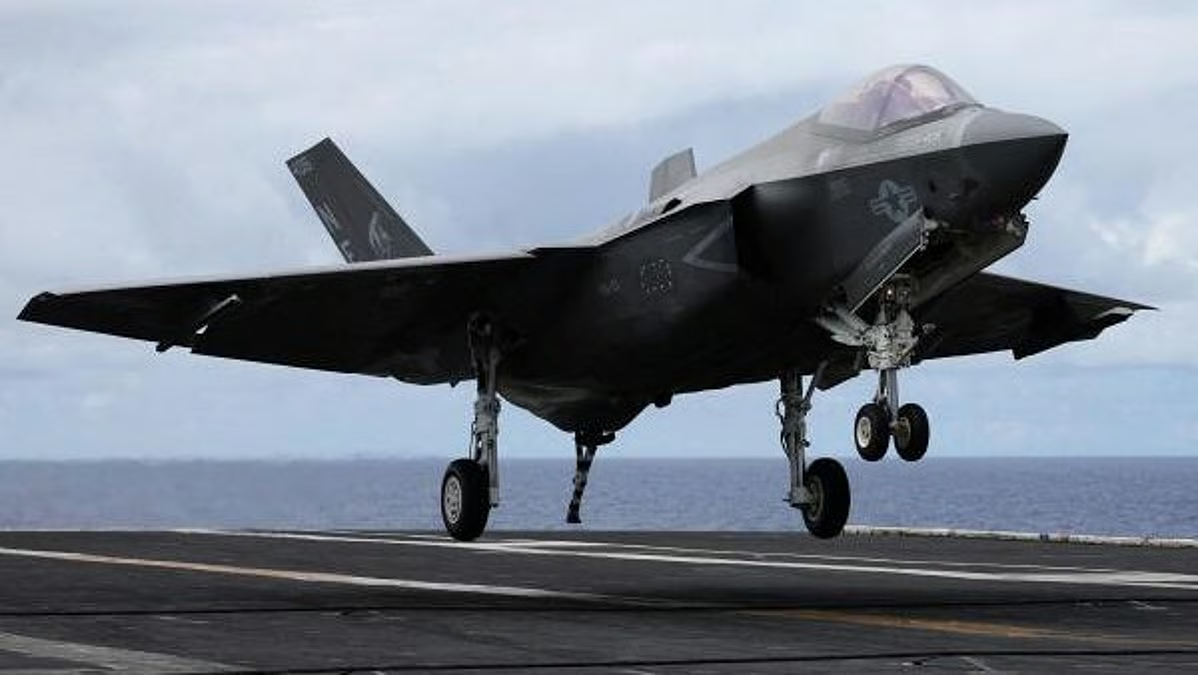
When former President Donald Trump said he was carefully studying a request from Saudi Arabia to purchase the advanced F35 fighter jets, his words carried more emotional weight than a simple policy update. These moments often appear technical from a distance, but behind them are people whose lives will be shaped by the outcome. Pilots who may train on the aircraft, engineers who build and sustain them, diplomats who must navigate complex alliances, and families who quietly worry about the implications for regional peace.
Decisions like this are not simply about machines or treaties. They are about trust, responsibility, and the very human desire for safety and stability. That is what gives this potential deal its gravity.
Why the F35 question matters globally
The F35 is not just a fighter jet. It represents one of the most sophisticated defense systems ever created. It can collect enormous streams of data, communicate across long distances, and operate in environments where older aircraft cannot even survive.
When a country expresses interest in owning such technology, it signals more than a desire for advanced equipment. It signals a deeper strategic partnership, an alignment of values, and a major shift in regional capability.
Supporters of the deal argue that approving the sale could strengthen a long standing security relationship between the United States and Saudi Arabia, providing a stable foundation against regional threats. Others believe that a transfer of such sensitive technology requires careful evaluation to ensure it does not disrupt delicate balances between neighboring countries.
This debate illustrates how intricate and interconnected modern security decisions have become.
A meeting shaped by personal diplomacy
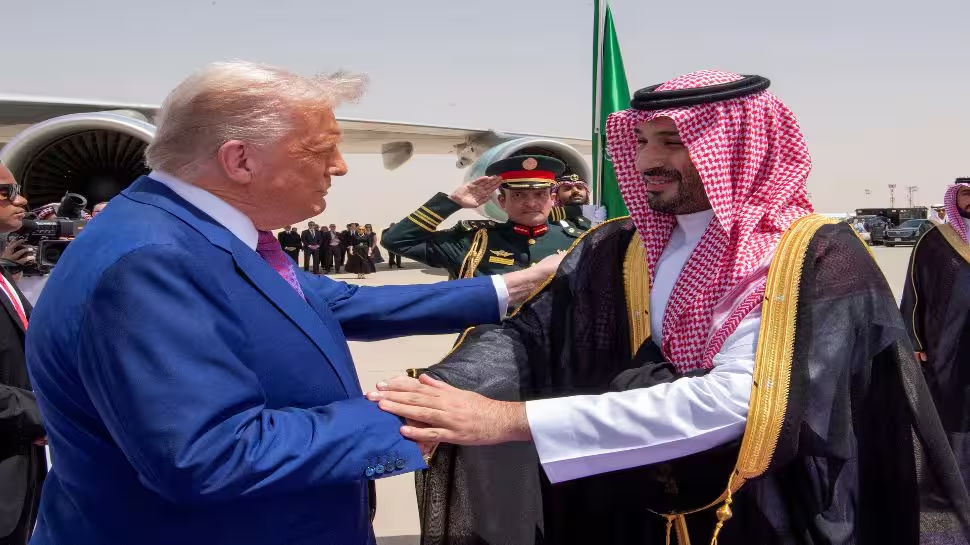
Central to this discussion is the expected meeting between Trump and Saudi Crown Prince Mohammed bin Salman. These interactions combine both formality and personal impressions. While official statements and briefing documents guide the structure, the tone and outcomes often hinge on the rapport between leaders.
Behind closed doors, discussions may include political assurances, personal reasoning, or reflections on long term ambitions for the region. Diplomacy in these moments is a blend of statecraft and genuine human conversation.
The decisions that emerge from such meetings ripple far beyond the room. They affect the daily work of ministries, the budgets of entire industries, and the expectations of families who hope the region will move towards stability rather than escalation.
Balancing stability and opportunity
For advocates of the sale, the argument is straightforward. A stronger and more modern Saudi Air Force could help deter hostile actions in the Middle East. With shared intelligence, joint training, and closer coordination, the United States could maintain influence while encouraging Saudi Arabia to demonstrate greater responsibility in regional security.
Economically, a deal of this scale supports skilled American jobs, boosts defense research, and strengthens manufacturing networks across several states.
However, major defense transactions also require foresight. Policymakers must assess whether the sale could be misinterpreted by neighboring countries as an arms escalation, and whether safeguards can ensure the aircraft are used in ways consistent with American expectations.
Finding this balance is both an art and a responsibility.
The human side of security concerns
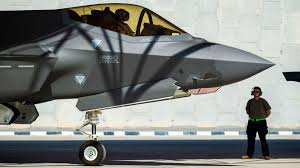
High level debates often focus on geopolitical risks, but within the defense community there are more personal and technical anxieties. The F35 contains highly sensitive technology, and protecting its software and data systems is essential to the safety of pilots and civilians alike.
Intelligence professionals often raise questions about whether exported systems can remain secure in foreign environments. These concerns are not just bureaucratic hurdles. They represent the combined wisdom of men and women who have spent their careers studying threats and working to prevent worst case scenarios.
Every conversation in this realm has a human center. A compromised system could put pilots at risk, expose secret capabilities, or create vulnerabilities that adversaries may exploit. These are not abstract fears. They are grounded in the reality of modern warfare and the desire to keep people safe.
Politics at home and its emotional weight
Within the United States, any major arms sale sparks political debate. Members of Congress evaluate national interest, humanitarian concerns, and public sentiment. Citizens bring their own experiences into the conversation, from veterans who understand the realities of conflict to workers in the defense industry whose livelihoods depend on stable production cycles.
The issue also intersects with broader conversations about American leadership and responsibility in global affairs. While policymakers debate strategy, ordinary families often view such decisions through a more emotional lens. They ask whether the deal promotes peace, whether it supports allies, and whether it reflects national values.
Politics may drive the debate, but the stakes are always intertwined with personal hopes and fears.
Allies and adversaries watching closely
Whenever advanced technology becomes part of international negotiations, allies and adversaries react. For Israel, a close American partner, maintaining a qualitative military advantage is a long standing priority. Any consideration of advanced aircraft for another regional state will likely involve detailed discussions, reassurance mechanisms, and a reaffirmation of security guarantees.
Other neighboring countries will also interpret the potential sale as a signal about shifting alliances or emerging priorities. Governments may adjust their own procurement plans, strengthen new partnerships, or prepare for new defense realities.
For civilians in the region, these shifts can influence their sense of security. The geopolitical conversation becomes a lived experience, shaping how families perceive safety and how they imagine their future.
People behind the machines
It is easy to think of the F35 as purely a technological marvel, but behind every aircraft are thousands of individuals whose work and wellbeing are tied to its operations.
Engineers on factory floors invest long hours ensuring components meet strict safety standards. Technicians at training bases teach pilots to master complex systems. Families support service members who may be deployed if tensions rise.
Even in countries receiving the aircraft, young technicians gain new skills, officers travel abroad for training programs, and local communities see new opportunities emerge.
The story of the F35 is therefore also a story of human ambition, skill, and responsibility.
Economic ripple effects
A deal of this scale would impact far more than defense budgets. American supply chains, maintenance facilities, training academies, logistics companies, and local businesses all benefit from large multiyear contracts.
For Saudi Arabia, acquiring advanced jets means investing in long term infrastructure. Training programs, maintenance hangars, airbase modernization, and skilled jobs all flow from such a purchase.
These economic effects can uplift entire communities. They encourage educational programs, offer new career paths, and generate local pride. But they also come with responsibilities. Both nations must commit to long term planning to ensure the investment achieves strategic goals without creating unnecessary dependencies or inefficiencies.
Diplomacy rooted in trust and dignity
Foreign policy often appears technical, but effective diplomacy relies on human connection. Trust is built through repeated exchanges, training cooperation, cultural interactions, and shared missions.
If an F35 sale advances, complementing the transaction with people centered initiatives would strengthen the relationship. Joint training programs, military academic exchanges, and transparent oversight mechanisms could ensure that both sides use the partnership to promote stability and mutual understanding.
Such efforts remind the world that leadership involves more than hardware. It requires empathy, communication, and long term vision.
Moral and ethical questions
Behind every arms sale lies an ethical dimension. Citizens and advocacy groups often raise concerns about how exported systems may be used and whether proper oversight exists. Families affected by conflict want assurance that their lives will not be further endangered by new tools of war.
For governments, acknowledging these fears is essential. Strong accountability mechanisms, clear usage guidelines, and open channels for addressing concerns are critical.
These conversations may be uncomfortable, but they reflect society’s collective conscience. Safety, dignity, and respect for human life must remain central to any major strategic decision.
Imagining a responsible path forward
If the United States ultimately approves the sale, several safeguards and policies can make the partnership more responsible and sustainable. These include transparent congressional review, strict technology protection protocols, comprehensive training requirements, and meaningful oversight structures.
Such measures ensure that the deal is not simply a commercial exchange but a thoughtful and controlled commitment. The goal is to support stability while keeping human wellbeing at the center of policy.
A moment of reflection for ordinary people
For everyday citizens in any country, this story carries a lesson. International decisions are not distant events. They shape economies, influence social stability, and affect future generations.
People have a voice in how their nations engage with the world. Asking questions, staying informed, and participating in public debate are all ways to influence policy outcomes.
This decision, like many in global affairs, reminds us that leadership requires wisdom, accountability, and an appreciation for the human impact of seemingly technical choices.
Keeping humanity at the heart of strategy
As discussions continue and leaders weigh the delicate balance between security, diplomacy, and ethics, the essential truth remains: every foreign policy choice affects real people.
A decision about the F35 is more than a discussion about aircraft. It is a conversation about values, responsibility, and the desire to build a safer future.
The best outcome will be one that strengthens partnerships while honoring the dignity and safety of all people involved.
Do follow Gulf Magazine on Instagram.
Also Read – Mashriq Elite Unveils Inspiring New Waterfront Living on Dubai Islands

