


Kuwait’s Big Leap Opening Bids for Al Dabdabah and Al Shagaya Phase III,Kuwait has officially opened the bidding process for a landmark renewable energy project that could reshape its energy landscape. Spearheaded by the Kuwait Authority for Partnership Projects and supported by the Ministry of Electricity, Water and Renewable Energy, this is not just another solar tender it is a bold step toward a cleaner, more sustainable future.
What Is the Project About
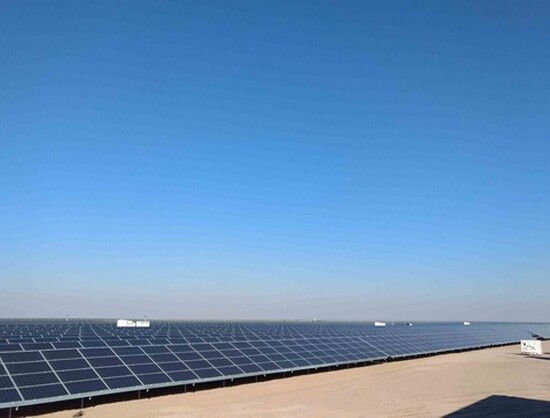
This initiative centers on the Al Dabdabah Power and Al Shagaya Renewable Energy Phase III Zone 2 Solar PV project. The scale is ambitious it is designed to deliver 500 MW of green electricity. This will be executed through a public private partnership model, meaning private firms will handle design, financing, construction, operation, maintenance, and eventual transfer of the plant. The power generated will be sold via a 30 year Power Purchase Agreement with the ministry, ensuring long term stability for both the developer and the state.
Where It Will Be Built
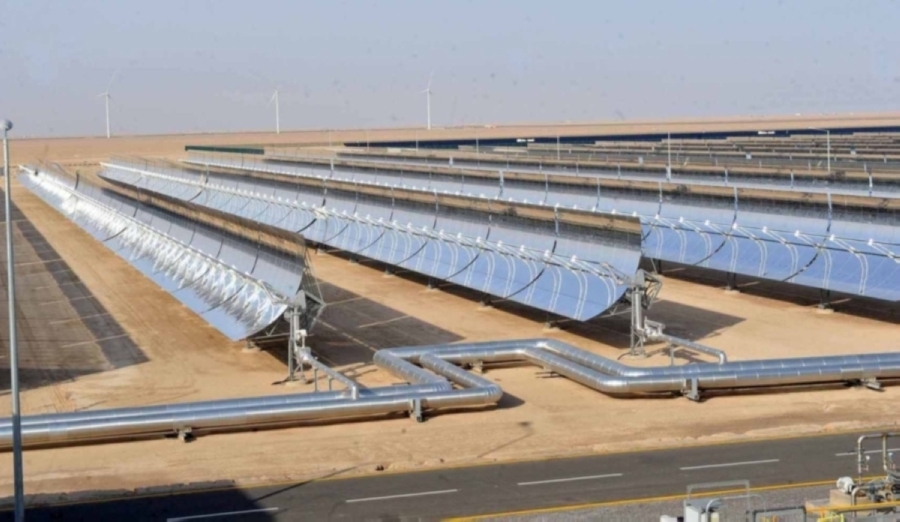
The planned facility is located in Jahra Governorate, approximately 100 km west of Kuwait City, in the Al Shagaya area. This location is part of the broader Shagaya Renewable Energy Park, which already hosts multiple renewable energy technologies.
Why This Project Matters
Reducing Dependence on Fossil Fuels
Kuwait, like many Gulf countries, has long relied on oil and gas for its domestic power needs. By investing in large scale solar, it can diversify its energy mix, reduce fuel consumption, and free up more hydrocarbons for export rather than burning them at home. This move could substantially lower the country’s carbon footprint and operational costs.
Leveraging Private Sector Strength
With the authority leading the public private partnership model, private players are being brought in not just to build but to own, operate, and transfer. This brings in global best practices, innovation, and financial muscle helping Kuwait reduce the risk and burden on public finances.
Long Term Revenue Security
The 30 year power purchase agreement gives the offtakers predictable cost for power, while developers can plan and recover their investment over a long horizon. This kind of arrangement boosts confidence for large scale investors and ensures project sustainability.
Accelerating Renewable Capacity
This project accelerates Kuwait’s clean energy journey, helping it inch toward ambitious national goals. The Shagaya Renewable Energy Park is poised to become a major hub, combining solar PV, wind, and other clean technologies.
Who Is in the Race
Earlier this year, six players were prequalified for the larger Phase III Zone 1 solar project with 1100 MW. These include major international consortia such as ACWA Power teamed up with Kuwait’s Alternative Energy Projects Company, Masdar with Fouad Alghanim and Sons, EDF Renewables with local partners, Jinko Power with Japan’s JERA, TotalEnergies Renewables, and Trung Nam Construction.
For the 500 MW Zone 2, the prequalification window remains open giving interested companies time to prepare strong bids.
Challenges and Risks to Consider
Desert Conditions
Building in remote desert areas is not easy. High temperatures, sandstorms, and harsh terrain can challenge construction, maintenance, and the efficiency of solar panels.
Grid Integration
Adding 500 MW is a serious load. The power generated needs to be integrated into Kuwait’s transmission network seamlessly. If not managed well, it could stress the grid or lead to bottlenecks.
Financing and Risk
While public private partnerships are powerful, they bring financial risk. Developers will need confidence in their revenue, and the long term power purchase agreement is helpful but any delay, cost overrun, or regulatory change could hurt profitability.
Long Term Commitment
A 30 year power purchase agreement means both parties are locked in for decades. If technology evolves like cheaper or more efficient solar alternatives, there may be pressure to renegotiate.
Broader Impact What This Means for Kuwait
Transforming Energy Identity
For a country that has long thrived on oil, this project is symbolic. Kuwait is publicly embracing a clean energy identity. It is a sign that even hydrocarbon rich nations are shifting strategy.
Job Creation and Skills Transfer
Such large projects can generate jobs not just in construction but in operation, maintenance, and management. They also foster knowledge transfer, teaching local engineers and workers how to run world class solar facilities.
Climate Goals Alignment
If Kuwait wants to reduce its carbon emissions and contribute to global climate goals, scaling renewables is essential. This tender helps build momentum toward a greener energy future.
Regional Leadership
In the Gulf region, countries are increasingly competing in clean energy. With this move, Kuwait positions itself as a player in the renewable energy race, potentially attracting more investment and partnerships.
What’s Next and What to Watch
- Bid Submission and Evaluation
Companies will submit their detailed technical and financial proposals. The authority and ministry with their advisors will evaluate bids to pick the winner.
- Finalizing the Power Purchase Agreement
The 30 year agreement needs to be locked down. Terms on pricing, delivery, and grid integration will be key.
- Construction Phase
Once awarded, the winning consortium will begin construction laying panels, building roads, and setting up infrastructure in the desert. They will also need to establish connections to the national grid.
- Operation
After construction, the plant will begin generation. The private partner will operate and maintain it, ensuring efficiency and uptime.
- Transfer
At the end of the contract term, the plant may transfer to the state or continue under new terms depending on the public private partnership structure.
Why This Feels Human More Than Just Power
Behind this bid announcement lies something deeply human: a vision for a cleaner, brighter future. It is not just about megawatts and contracts. It is about:
Hope for Tomorrow Kuwaitis can look forward to less reliance on fossil fuels and more sustainable living.
Global Belonging By going green, Kuwait connects with a worldwide movement.
Youth and Innovation Young engineers and entrepreneurs in Kuwait can be part of building this future.
Legacy Decades from now, this project could be remembered as a turning point when Kuwait truly began its journey toward renewable energy leadership.
Kuwait’s decision to open bidding for the Al Dabdabah and Al Shagaya Phase III solar projects is more than a business move. It is a commitment to its people, to the planet, and to a future where prosperity and sustainability go hand in hand.
Do follow Gulf Magazine on Instagram.
Also Read – Oman Accelerates Digital Transformation with Open Data Standards

