

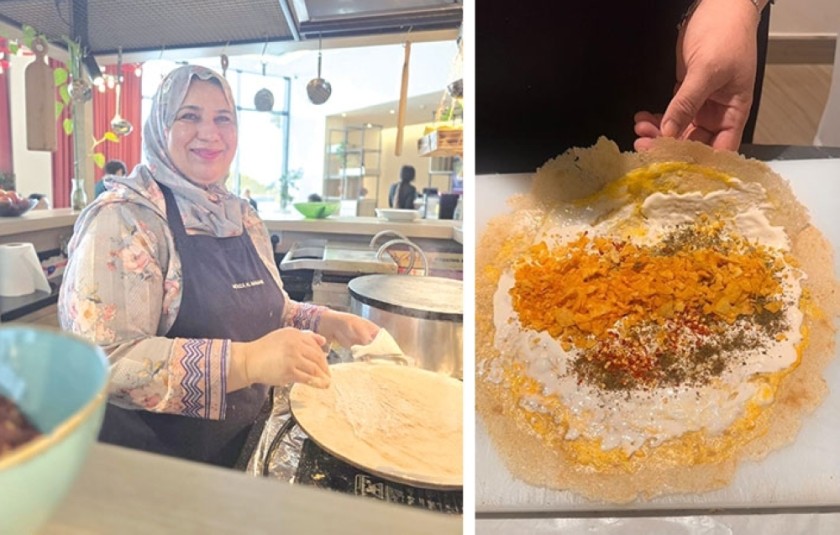
In recent years, Oman has transformed into one of the Gulf’s most exciting culinary landscapes, attracting chefs, food influencers, and investors from across the region. At the center of this emerging wave stands Moza, a culinary creator whose live-cooking experiences have gained remarkable traction in Oman’s food circuit. Her journey is more than a personal success; it reflects a powerful shift in consumer behavior, market expectations, and investment opportunities within the wider hospitality and food industry. What began as a passion-driven concept has now become a model that entrepreneurs and investors are studying closely.
Moza’s rapid rise offers fresh insights into how digital influence, experiential dining, and cultural authenticity can merge to create long-term business potential. As Oman’s population seeks more immersive food experiences, creators like Moza are reshaping how culinary businesses position themselves. For investors and entrepreneurs, her success story is a roadmap to understanding where the Gulf’s food industry is heading.
The Rise of Live-Cooking Culture in Oman
The concept of live-cooking is not new, but its demand in Oman has surged in the last few years as consumers shift away from traditional dining formats. People today want to see their food prepared in front of them. They want interaction, transparency, entertainment, and authenticity all at once. Moza tapped into this cultural shift at the perfect time. Her live-cooking performances quickly became a phenomenon, drawing large audiences both online and offline.
Live-cooking combines performance with gastronomy, creating a memorable experience that keeps viewers engaged. For Oman, a country with a rich history of hospitality and food traditions, the idea fits naturally into its culture. Moza’s shows highlight this blend of tradition and innovation, showcasing dishes that resonate culturally while presenting them in a visually compelling, modern format. This is exactly what today’s Omani audience wants: respectful fusion, relatable cuisine, and a creator who speaks their language.
For investors, this trend signals a clear market preference: experiential food concepts are in high demand, and businesses that bring performance and storytelling into their food offerings are more likely to succeed.
Moza’s Approach: A Blend of Skill, Authenticity, and Engagement
Building Trust Through Transparency
One key reason behind Moza’s popularity is her transparent, relatable approach to cooking. Her audience sees every step of the process, from raw ingredients to the final dish. In a world where consumers are increasingly conscious of quality and hygiene, this form of transparency creates trust. People feel connected to the creator, the cooking process, and the final product.
Authenticity That Resonates With Local Culture
Moza’s recipes, presentation, and flavor choices are deeply rooted in the tastes and traditions of the region. This authenticity has been a major factor in her appeal, particularly among Omani families who appreciate cultural relevance in food content. Her dishes feel familiar yet fresh, comforting yet creative—a balance that is difficult to achieve.
Engagement That Drives Growth
The live nature of her cooking means her audience participates in real time. They ask questions, request dishes, offer opinions, and engage in conversations, turning her cooking sessions into interactive events. This level of engagement has significantly contributed to her growth and visibility, helping her reach audiences far beyond local markets.
For culinary entrepreneurs, this demonstrates the importance of building a two-way relationship with the audience rather than simply posting content. The most successful brands in today’s food space are those that treat customers as partners in the experience.
Market Impact: What Moza’s Success Reveals About Consumer Trends
The Demand for Immersive Food Experiences
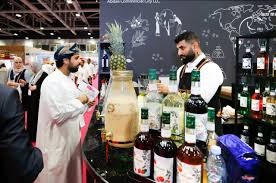
Moza’s rise shows that consumers in Oman are no longer satisfied with traditional dining alone. They want immersion. They want experiences that feel personal, educational, and entertaining. Restaurants and cafes that incorporate live food preparation, chef interactions, workshops, or behind-the-scenes content can tap into this trend effectively.
The Shift Toward Creator-Led Food Brands
Globally, creator-led brands are thriving, and Oman is now following suit. Influencers who build strong food-based followings often transition into launching their own products, pop-up events, or restaurant ventures. Moza’s brand potential fits this category perfectly.
Entrepreneurs should recognize that collaborating with culinary creators—through limited-time menus, events, or product launches—can significantly boost visibility and customer engagement.
The Role of Digital Influence
Social media is no longer just a support tool for businesses; it is the engine driving growth. Moza’s journey shows that strong digital presence can bring traditional food businesses back into the spotlight. High-quality storytelling and consistent online engagement are now essential components of modern food entrepreneurship.
Opportunities for Investors in the Culinary Sector
Investment in Creator-Led Restaurants
One of the biggest opportunities Moza’s trajectory reveals is the potential for creator-led dining experiences. Investors can partner with culinary creators to establish restaurants or cloud kitchens that carry the creator’s brand identity. This model has already proven successful in markets like Dubai and Riyadh and is now becoming viable in Oman.
Funding for Live-Cooking Studios and Culinary Content Production
With the growing popularity of live-cooking, there is a strong opportunity to invest in professional culinary studios equipped with lighting, high-quality cameras, and multi-angle production setups. These studios could be rented out to content creators or used for brand collaborations. Moza’s success shows that demand for such production spaces is growing.
Partnerships with Hospitality Brands
Hotels and resorts in Oman are increasingly looking for new ways to differentiate their food offerings. Bringing in creators like Moza for themed events, live culinary shows, or guest appearances can attract both tourists and locals. Investors can facilitate these partnerships by acting as event organizers or brand brokers.
Packaged Food and Merchandising
The next logical extension of Moza’s brand is packaged products—spices, sauces, ready-to-cook mixes, or signature kits. Investors who identify creators with strong audience trust can build profitable FMCG lines based on their recipes. The demand for creator-branded food products in the region is steadily rising, and Moza’s success suggests this opportunity is ripe for exploration.
Lessons for Entrepreneurs Entering the Culinary Space
Build Your Brand Before Your Business
Moza’s journey proves that brand comes before business. She established her identity, voice, and community long before monetizing her influence. Entrepreneurs should prioritize building their visibility and authenticity through social platforms before launching physical ventures.
Focus on Experience, Not Just Food
Good food is essential, but today’s customers want more than a delicious plate—they want an experience. Entrepreneurs should incorporate elements like storytelling, live demonstrations, behind-the-scenes content, or chef interactions into their offerings. This is what differentiates modern culinary brands from traditional eateries.
Use Digital Tools to Scale
The digital landscape offers endless growth potential. Apps, social platforms, short videos, livestreams, and interactive content all play a critical role in scaling a food brand. Entrepreneurs must leverage these tools consistently to stay relevant.
Collaborate, Don’t Compete
One of Moza’s strengths is her collaborative approach, often featuring other chefs, creators, or brands. This strategy broadens audience reach and brings fresh ideas into her content. Entrepreneurs should adopt the same mindset partnerships lead to growth, while isolation limits it.
The Future of Oman’s Culinary Scene
The success of creators like Moza signals a new era for Oman’s food industry. The country is moving toward a hybrid model where digital influence, experience-based dining, and cultural authenticity merge to form the backbone of modern culinary businesses. Consumers are spending more on unique food experiences, and businesses are responding with innovation.
Over the coming years, Oman is expected to see growth in:
- Live-cooking restaurants and experiential dining lounges
- Creator-led brands and food collaborations
- Culinary tourism leveraging Omani traditions
- Homegrown food startups with strong digital presence
- Cloud kitchens centered on influencer branding
Moza’s journey from a passionate culinary creator to an influential figure in Oman’s dining culture is a reflection of this broader transformation. She has effectively bridged the gap between tradition and modernity, between home cooking and performance, between culture and commerce.
Conclusion
Moza’s live-cooking success in Oman is not just a story of culinary creativity; it represents a powerful shift in consumer preferences and business opportunities. Her influence has shown that the modern culinary landscape rewards authenticity, transparency, engagement, and experience. For investors, her trajectory reveals a market ripe with potential from creator-led dining concepts to branded food products and digital content studios. For entrepreneurs, her success is a blueprint for building a sustainable culinary identity that resonates with today’s audience.
As Oman continues to evolve as a culinary destination, the impact of creators like Moza will only grow stronger. The intersection of culture, content, and cuisine is becoming one of the most profitable and dynamic spaces in the Gulf, and those who understand this shift early will be the ones who shape the future of the region’s food industry.
Do follow Gulf Magazine on Instagram.
Also Read – Oman Climate Week to be Held in September 2026

