

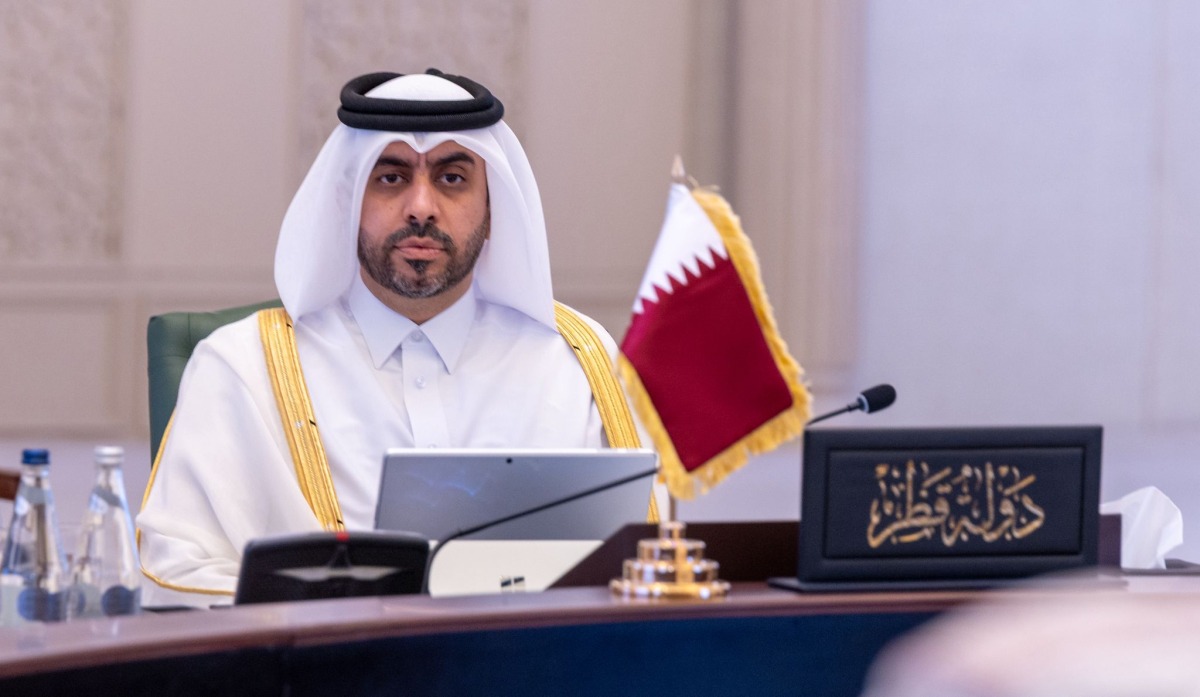
The Gulf region is experiencing a new wave of growth, change and ambition, and nowhere is this more visible than in the field of education. At a time when nations are reimagining the skills needed for future generations, regional collaboration has become a powerful force in shaping tomorrow’s learning ecosystem. In this context, the Ministry of Education’s Undersecretary, Mohammed Al Qasim, embarked on a strategic multi-country Gulf tour aimed at strengthening partnerships, aligning regional educational standards and advancing shared development goals. His mission reflects a deep commitment to elevating educational quality, leveraging regional knowledge exchange and creating a unified vision for the future of learning across the Gulf.
Al Qasim’s visit was not just a series of formal meetings, but a purposeful journey that blended dialogue, strategic planning, and human connection. It captured the spirit of collaboration that Gulf nations have been steadily building over the last decade and highlighted the strong momentum toward a future where educational institutions across the region support one another rather than work in silos.
A Regional Vision For Education Transformation
Educational transformation today involves more than curriculum updates or digital tools. It requires a collective mindset and a comprehensive vision—one that understands the needs of diverse societies while aligning with global benchmarks. Al Qasim’s Gulf tour represented an effort to push this vision forward by connecting with ministers, educators and policymakers who influence the region’s educational direction.
Setting Shared Priorities
The discussions across Gulf countries revolved around major shared priorities such as:
Strengthening student skills in science, technology, engineering and mathematics
Promoting digital transformation in classrooms
Expanding cross-border educational programs
Developing unified teacher training frameworks
Enhancing vocational and technical education pathways
Each of these priorities reflects not only national goals but a growing regional consensus that the Gulf must prepare its youth for a rapidly changing world. The meetings confirmed that countries are ready for stronger alignment in policies, standards and innovations that can elevate education across borders.
Building Trust Through Human-to-Human Dialogue
While official agreements and plans matter, the true essence of Al Qasim’s tour came from genuine conversations. Education is ultimately a human-centered field rooted in empathy, understanding and community-building. His engagements showcased a leadership style that values relational trust as much as policy architecture. That approach resonated strongly with the stakeholders he met, contributing to deeper collaboration.
Strengthening Cooperation Across Gulf Nations
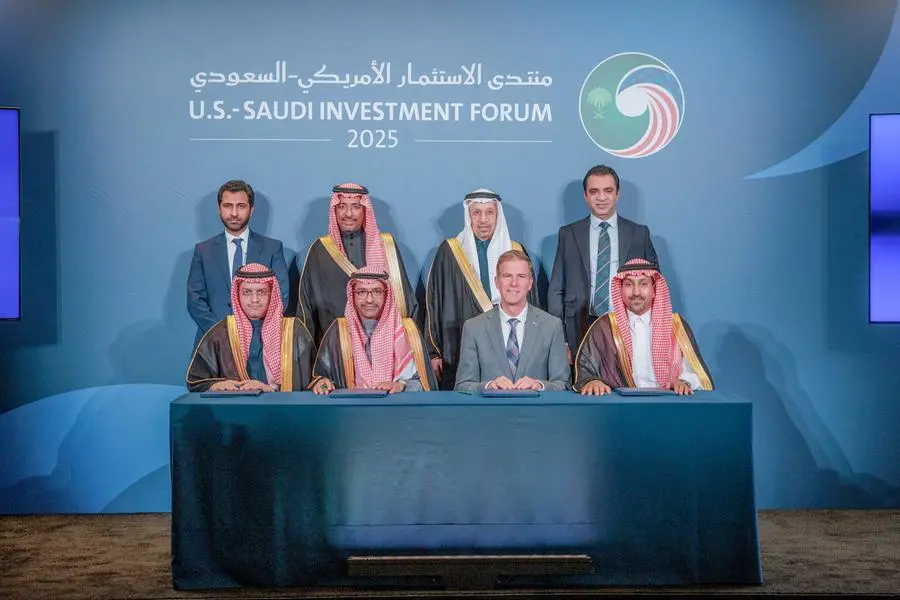
One of the core goals of the tour was to renew educational ties between Gulf countries. These nations share cultural bonds, geographical proximity and similar economic pathways. Strengthening educational coordination among them creates a win-win environment where each country benefits from shared expertise, shared challenges and shared opportunities.
Curriculum Development and Alignment
A major theme of the discussions was curriculum modernization. Gulf nations are increasingly adopting competency-based learning approaches and incorporating modern subjects such as AI literacy, financial education and entrepreneurship. Al Qasim emphasized the importance of ensuring that Gulf curricula reflect both regional culture and global standards. Talks included the possibility of harmonizing certain frameworks so that student mobility across GCC countries becomes smoother and more equitable.
Teacher Training and Professional Development
Teachers remain the backbone of any education system. Through the tour, Al Qasim explored how Gulf nations can collaborate on teacher training initiatives, certification models, exchange programs and professional development workshops. This includes:
Co-developing new teacher training modules
Organizing cross-country seminars
Building digital platforms for shared learning
Creating new standards for evaluating teacher performance
This shared effort aims to build a high-quality teaching workforce that can lead classrooms confidently into the future.
Student Exchange and Scholarships
A powerful component of the tour involved discussions on expanding student exchange programs, scholarship partnerships and internship routes that allow young people to gain cross-border educational exposure. Gulf nations are increasingly encouraging mobility between universities and professional training institutions, and the tour helped open new avenues for students to learn from diverse environments within the region.
Focus on Research and Innovation
Al Qasim’s meetings also addressed how Gulf countries can work more closely on research collaboration. This includes fostering joint university research initiatives, innovation hubs, technology partnerships and cross-country projects that bring together scientists, researchers and students. The priority is to position the Gulf as a region that does not only consume knowledge but actively contributes to the global knowledge economy.
Digital Transformation As A Regional Catalyst
Digital transformation was one of the most prominent themes throughout the tour. Gulf nations have already invested heavily in digital platforms, smart schools, e-learning systems and AI-enabled tools, but there is a growing understanding that stronger integration can elevate outcomes even further.
Smart Learning Ecosystems
Al Qasim emphasized the need for integrating smart learning ecosystems that empower students with personalized learning experiences. These ecosystems use digital tools to help teachers monitor progress, track performance and customize lessons to meet different learning styles.
AI in Education
Another highlight was exploring the role of artificial intelligence in teaching, assessment and classroom management. Discussions included AI-driven platforms that support:
Adaptive learning
Assessment automation
Learning analytics
Virtual mentorship systems
These innovations aim to reduce administrative burdens on teachers and create more space for human-centered instruction.
Cybersecurity and Digital Ethics
With growing digital adoption comes the responsibility to protect students and educational data. Al Qasim discussed the importance of regional cooperation in cybersecurity policies, digital ethics training and the development of secure platforms that safeguard the privacy and safety of learners.
Vocational and Technical Education Takes Center Stage
A significant portion of the Gulf’s future economic growth will come from technical fields such as renewable energy, logistics, advanced manufacturing, health sciences and maritime industries. Recognizing this, the tour placed heavy emphasis on strengthening vocational and technical education (TVET).
Alignment With Labor Market Needs
Gulf nations are increasingly aligning TVET programs with labor market requirements. Al Qasim’s discussions focused on building frameworks that ensure students graduate with skills directly relevant to industry needs. This includes partnerships with private-sector organizations and training centers.
Creating Pathways For Youth Empowerment
The goal is not only to prepare students for jobs but to empower them with real-world competencies. TVET collaboration aims to offer:
Skill-based certifications
Hands-on training opportunities
Corporate internships
Industry-driven workshops
These pathways are designed to support youth employment, entrepreneurship and professional mobility across the region.
Educational Leadership and Policy Development
The Gulf tour also highlighted the importance of policy leadership in shaping long-term educational transformation. Al Qasim’s meetings involved high-level discussions on:
Educational governance
National qualifications frameworks
Quality assurance systems
Learning standards and benchmarks
The conversations underscored the need for evidence-based policymaking, data-driven strategies and collaborative governance models that create sustainable change.
Future-Proofing Education Policies
Gulf nations recognize that education policies must constantly evolve to match global trends. Al Qasim’s engagements showed a deep commitment to developing policies that anticipate the future rather than react to it. This forward-thinking mindset includes preparing students for emerging careers, promoting flexible learning pathways and integrating lifelong learning into national strategies.
A Humanized Leadership Approach
Beyond the strategic outcomes, the tour highlighted the leadership style of Mohammed Al Qasim one defined by authenticity, humility and a genuine desire to uplift educational communities. His interactions focused not only on high-level partnerships but also on listening to educators, understanding student needs and highlighting the human elements behind educational systems.
Engaging With Educators and Students
Al Qasim made it a point to connect with teachers, administrators and learners to understand their challenges, aspirations and expectations. These engagements helped ground the discussions in real-world insights, ensuring that strategic agreements align with the lived experiences of those in the classrooms.
Bridging Cultures and Strengthening Community Bonds
The Gulf region’s cultural richness is one of its strongest assets. Al Qasim’s approach to collaboration emphasized respect, cultural understanding and a shared sense of purpose. His tour reinforced the idea that education is not just an institutional structure but a social fabric that binds communities together.
A Roadmap Toward Regional Educational Excellence
The outcomes of Mohammed Al Qasim’s Gulf tour extend far beyond the agreements and discussions that took place. They represent a long-term roadmap for regional educational excellence, built on shared ambition and mutual support.
Shared Goals For The Future
The vision moving forward includes:
Collaborative curriculum modernization
Unified digital transformation strategies
Shared standards for educational quality
Stronger research partnerships
Student mobility across Gulf countries
Joint teacher training initiatives
Support for innovation-driven learning
These goals reflect the collective commitment of Gulf nations to build an education ecosystem that is modern, competitive and inclusive.
Building A Stronger Gulf Education Identity
One of the most powerful outcomes of the tour is the strengthening of a unified Gulf education identity—one that celebrates diversity but shares a common commitment to excellence. This identity positions the region as a global contributor, not just a regional player.
Conclusion
Mohammed Al Qasim’s strategic Gulf tour marks a significant chapter in the region’s educational journey. It reinforced the importance of collaboration, shared knowledge and unified direction. Through his engagements, he helped build bridges between policymakers, educators and communities, while laying the foundation for transformative educational growth across the Gulf.
The tour emphasized that the future of education lies in collective effort, regional unity and continuous innovation. As Gulf nations step into the next era of development, the partnerships nurtured through this tour will play a crucial role in shaping an empowered, skilled and future-ready generation.
Do follow Gulf Magazine on Instagram.
Also read – Kuwait Secures Strong Presence in Forbes Middle East List with Seven Top CEOs

