

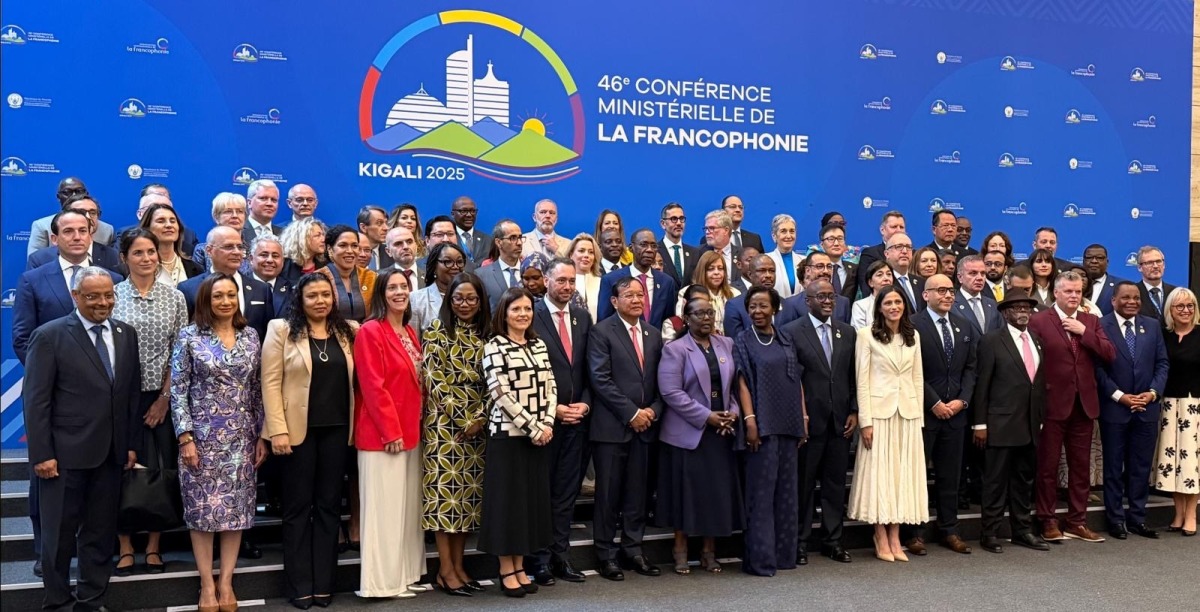
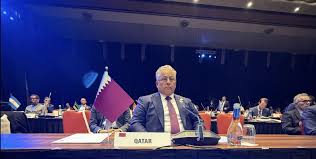
Qatar’s participation in the 46th Ministerial Conference of La Francophonie marks another strong step in its growing global influence and cultural diplomacy. The conference brought together member states, observers, and partners from across the Francophone world to deliberate on shared goals, cooperation frameworks, and challenges that define the cultural and political landscape of French-speaking nations. Qatar, an associate member of La Francophonie, has increasingly shown commitment to cultural exchange, multilingual collaboration, and global partnership. Its involvement in this year’s ministerial meeting reflects the nation’s long-term vision of contributing to international dialogue, fostering inclusive development, and strengthening ties with diverse communities.
The conference served as more than a diplomatic platform. It became a space for Qatar to highlight its evolving role as a champion of education, innovation, and cultural diversity. The session underscored the growing relevance of Qatar’s contributions to international discourse and demonstrated how smaller nations can influence larger global trends through focused strategic engagement.
Qatar’s Role in the Francophone Community
Qatar’s association with La Francophonie is rooted in its commitment to fostering cultural understanding and multilingual learning. Despite not being a primarily French-speaking nation, Qatar has invested significantly in developing French-language education, cultural programs, and diplomatic partnerships across Francophone countries. The country’s participation in the 46th Ministerial Conference demonstrates its dedication to enriching global cultural networks.
For Qatar, La Francophonie is not only a platform for political dialogue but also an opportunity to strengthen cooperation in education, youth empowerment, women’s rights, economic innovation, and sustainable development. Qatar’s officials emphasized the nation’s readiness to collaborate on new initiatives that support these shared priorities. Their message resonated with delegates who recognize Qatar’s growing influence as a connector between the Arab world and the broader international community.
Focus on Cultural Exchange and Multilingual Education
One of the strongest themes highlighted by Qatar during the conference was the importance of multilingual education. Qatar has been steadily expanding its language programs, especially through institutions like Qatar Foundation and the Ministry of Education, which prioritize global literacy and cultural awareness. The Francophonie platform gives Qatar a unique avenue to deepen its engagement with French educational institutions and exchange successful models.
Qatar’s delegation stressed that the power of multilingualism goes beyond communication. It enhances cultural empathy, opens doors to international collaboration, and nurtures a mindset of global citizenship among young learners. By committing to French language growth, Qatar is broadening opportunities for its students, enabling them to access higher education programs, employment prospects, and cultural networks across Francophone regions.
Strengthening Diplomatic and Economic Partnerships
Qatar also used the conference to reinforce diplomatic and economic ties with countries across Africa, Europe, and Asia. Many member states of La Francophonie are emerging economies, making this forum a valuable space for Qatar to broaden trade partnerships, support development programs, and explore new areas of investment collaboration.
Officials highlighted Qatar’s contributions to humanitarian aid, infrastructure development, and educational projects in Francophone nations. These efforts reflect Qatar’s broader foreign policy approach, which focuses on creating long-term partnerships rather than short-term assistance. The ministerial conference provided an opportunity to discuss new collaboration opportunities in technology, sustainable development, energy, and innovation.
Qatar’s presence at the event demonstrated its intention to remain a committed and active member in shaping the future strategies and priorities of La Francophonie.
Commitment to Youth and Women Empowerment
Another major focus of Qatar’s message during the conference was inclusive empowerment. Qatar reaffirmed its dedication to advancing opportunities for young people and women, reflecting its vision of building resilient and future-ready societies.
Qatar’s representatives highlighted programs that provide skills training, leadership opportunities, and educational support to youth both within the country and in partner nations. For example, Qatar Fund for Development and Education Above All Foundation are deeply involved in initiatives across Francophone countries to promote universal access to education and reduce inequalities.
Women’s empowerment was also central to Qatar’s discussions. Officials emphasized that empowering women is not just a social initiative but an economic necessity. By collaborating with La Francophonie, Qatar aims to support policies that ensure women have access to quality education, leadership roles, and economic participation.
Promoting Cultural Diversity and Global Dialogue
Qatar has long championed intercultural dialogue and cultural preservation. Through museums, academic programs, and cultural festivals, the nation has positioned itself as a bridge between traditions and modernity. At the ministerial conference, Qatar reiterated its belief that cultural diversity enriches societal growth and global unity.
Qatar’s delegation expressed that in a world facing political tensions, misinformation, and social polarization, platforms like La Francophonie are crucial in keeping the values of coexistence and mutual respect alive. They emphasized that cultures must be shared, celebrated, and protected to strengthen global harmony.
This message aligned strongly with the central mission of La Francophonie, which focuses on promoting human rights, democracy, linguistic diversity, and cultural richness. Qatar’s humanised approach earned appreciation from members who acknowledged the country’s steady commitment to cultural diplomacy.
Innovation and Sustainable Development as Shared Priorities
Qatar also brought attention to innovation and sustainability, two areas where the country has made significant progress. Officials highlighted Qatar’s national strategies that focus on renewable energy, climate resilience, smart cities, and digital transformation. These initiatives are not only shaping Qatar’s future but also offering valuable lessons for other member states facing similar challenges.
The conference allowed Qatar to explore new partnerships in areas such as green technology, research cooperation, sustainable agriculture, and environmental protection. By aligning its national goals with global sustainability efforts, Qatar reinforced its role as a forward-thinking nation willing to share expertise and support global progress.
A Platform for Constructive Dialogue
The 46th Ministerial Conference was not just a ceremonial event; it was a platform for open conversations about global issues such as education gaps, gender inequality, conflict, economic challenges, and climate change. Qatar’s participation showcased its desire to be part of constructive discussions that shape fair, peaceful, and prosperous societies.
Qatar’s representatives listened actively, shared experiences, and engaged with delegates from various cultural, political, and economic backgrounds. This exchange of perspectives strengthened the bonds among participating nations and highlighted the power of global unity in addressing shared challenges.
Expanding Qatar’s Vision for International Cooperation
Qatar’s involvement in the Francophonie conference aligns with its broader foreign policy vision of establishing itself as a proactive and responsible global partner. Whether through sports diplomacy, cultural initiatives, humanitarian contributions, or educational collaborations, Qatar has steadily built a reputation as a nation that uses its influence for meaningful global engagement.
The ministerial conference further reinforced Qatar’s intention to foster global partnerships based on respect, mutual benefit, and shared values. It also highlighted Qatar’s readiness to take on bigger roles in global forums, contribute to long-term development initiatives, and support peaceful international cooperation.
Looking Ahead: Qatar’s Future in La Francophonie
As Qatar continues to expand its cultural and diplomatic footprint, its role within La Francophonie is expected to deepen. The nation plans to strengthen its French-language programs, participate more actively in cultural exchanges, and support new collaborative projects under the Francophonie umbrella.
Qatar’s investment in global education and cultural diplomacy will likely lead to greater involvement in international initiatives and policy-shaping discussions. The country’s human-centred approach positions it as a strong partner for nations seeking inclusive growth and sustainable development.
Conclusion
Qatar’s participation in the 46th Ministerial Conference of La Francophonie reflects the nation’s expanding global vision, commitment to cultural diplomacy, and dedication to building constructive international relationships. By engaging deeply in discussions on education, cultural diversity, sustainability, youth empowerment, and women’s rights, Qatar showcased its strong alignment with Francophonie values and priorities.
The conference reinforced Qatar’s growing role as a bridge between regions, cultures, and perspectives. With its forward-thinking strategies, investment in human development, and dedication to global collaboration, Qatar continues to strengthen its presence on the international stage. As the Francophonie community moves forward in addressing global challenges, Qatar stands ready to be an active, responsible, and inspiring partner.
Do follow Gulf Magazine on Instagram.
Also Read – Building Character: Qatar Foundation’s Approach to Learning

