

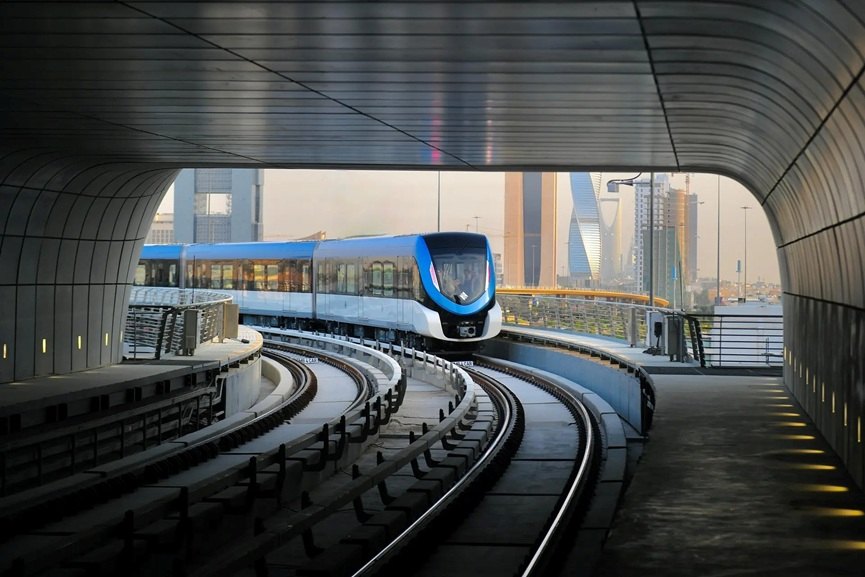
Riyadh Metro has officially been recognized by Guinness World Records as the longest fully driverless train network in the world. Spanning an impressive 176 kilometers, this achievement highlights Saudi Arabia’s commitment to modern, sustainable, and innovative public transportation. The metro is not only a technological feat but also a symbol of the Kingdom’s rapid progress in building world-class infrastructure.
The recognition underscores Riyadh’s ambition to become a global example of smart urban planning and modern mobility. The project demonstrates how advanced engineering and innovative solutions can significantly improve city life, offering a safer, more efficient, and environmentally friendly alternative to traditional transport systems.
A Transformative Step in Riyadh’s Transport Development
The Riyadh Metro is a central part of the capital’s public transport initiative, designed to meet the growing needs of the city’s population. It spans six integrated lines and includes 85 stations strategically distributed across Riyadh. The system operates entirely without drivers and is managed from advanced central control rooms. These facilities ensure precise monitoring of operations, maintain the highest safety standards, and provide reliable service quality.
The fully automated operation allows trains to run smoothly and efficiently, offering consistent timing and fewer disruptions compared to conventional systems. With this driverless technology, the metro can handle higher passenger volumes while minimizing human error, making commuting safer and more predictable for daily users.
In addition to its technological sophistication, the metro system represents a major step toward modernizing Riyadh’s urban transport infrastructure. The network connects key residential, commercial, and business areas, ensuring convenient access for millions of residents and visitors.
Enhancing Urban Mobility and Accessibility
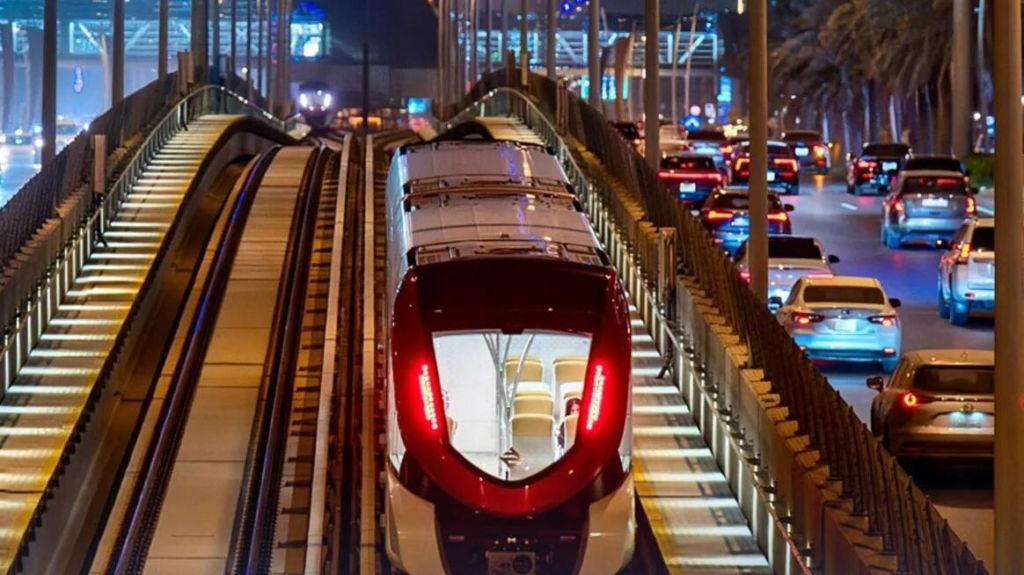
Riyadh’s public transport network, which combines metro and bus services, plays a crucial role in reducing traffic congestion and improving overall urban mobility. By offering an integrated and efficient transport solution, the city can better manage traffic flows and reduce reliance on private vehicles. This helps to decrease carbon emissions, supporting environmental sustainability and contributing to a cleaner urban environment.
The metro system significantly enhances accessibility, allowing residents from different neighborhoods and backgrounds to travel more easily across the city. It provides a comfortable and reliable alternative for commuters, enabling them to reach work, education, and leisure destinations without the stress of congested roads. The availability of frequent and automated metro services ensures that mobility is inclusive and convenient for all segments of the population.
By improving public transport, Riyadh is not only easing travel but also supporting social and economic development. Easier commuting facilitates greater participation in economic activities, increases access to employment opportunities, and encourages urban growth in a sustainable manner. The metro network also strengthens the city’s position as a modern, forward-looking capital that prioritizes the needs of its residents.
Commitment to Smart and Sustainable Urban Planning
The Royal Commission for Riyadh City has been at the forefront of implementing smart and sustainable urban development through the metro project. The initiative reflects the Kingdom’s dedication to innovation, technology, and environmental responsibility, aligning closely with the objectives of Saudi Vision 2030.
The metro system exemplifies the integration of advanced technology and sustainable urban planning. Automated operations reduce energy consumption, optimize efficiency, and minimize environmental impact. Additionally, the design and construction of the network incorporate modern urban planning concepts, creating stations and transit hubs that are accessible, safe, and visually appealing.
The successful implementation of a driverless train network highlights Riyadh’s ability to adopt global best practices while customizing solutions to meet local needs. It represents a forward-thinking approach to urban mobility, where technology, sustainability, and human-centered design work together to enhance city life. The Riyadh Metro sets a benchmark for other cities in the region, showing how strategic planning and modern infrastructure can transform transportation systems.
The Role of Technology in Riyadh Metro’s Success
Technology has been a key factor in the Riyadh Metro’s record-breaking achievement. The system uses cutting-edge automation, advanced signaling, and intelligent control systems to ensure smooth operations. Trains are monitored in real-time from centralized control rooms, which can detect and resolve potential issues instantly, guaranteeing both safety and efficiency.
The automated model allows for precise scheduling, minimizing delays and ensuring a consistent level of service throughout the day. Passengers experience a seamless journey, with timely departures and arrivals that reduce waiting times and enhance convenience. The combination of technology and smart management ensures the network operates at peak performance while maintaining high standards for safety and reliability.
Advanced technology also allows for scalability, meaning the network can expand or adjust operations as the city grows. This flexibility ensures that Riyadh’s transport infrastructure will continue to meet the demands of an increasing population and evolving urban landscape.
Economic and Social Impact
The Riyadh Metro is more than just a transportation system; it is a catalyst for economic and social development. By improving mobility, the metro facilitates easier access to workplaces, shopping centers, educational institutions, and recreational areas. This, in turn, boosts local businesses, attracts investment, and stimulates economic growth.
The social impact of the metro is equally significant. Reliable and accessible public transport enhances the quality of life for residents, providing freedom of movement and reducing travel-related stress. It also promotes inclusivity by connecting remote or underserved areas, ensuring that all citizens benefit from modern infrastructure. The metro’s design considers passenger comfort, safety, and accessibility, making it a truly people-centered system.
Environmental benefits are another critical aspect. By reducing reliance on private vehicles, the metro helps lower traffic congestion and vehicle emissions, contributing to cleaner air and a healthier urban environment. The system embodies the principles of sustainable urban development, combining technological innovation with social and environmental responsibility.
Future of Riyadh Metro and Urban Transport
Riyadh’s Guinness World Record achievement is only the beginning of its journey toward transforming urban mobility. Authorities plan to continue expanding and integrating the metro network with other transport services, creating a seamless and interconnected system.
Future enhancements may include increased capacity, additional lines, improved passenger amenities, and the use of renewable energy solutions. The focus will remain on sustainability, efficiency, and smart technology, ensuring that the metro evolves in line with the city’s growth and the needs of its residents.
The success of the Riyadh Metro serves as an inspiration for other cities in the Middle East and around the world. It demonstrates how strategic investment in infrastructure, innovation, and technology can lead to transformative outcomes for urban life.
Conclusion
Riyadh Metro’s recognition as the longest fully driverless train network in the world represents a historic milestone for Saudi Arabia. The project reflects the Kingdom’s commitment to modern, safe, and sustainable urban transport. By combining advanced technology, innovative planning, and a focus on accessibility, the metro enhances mobility, supports economic growth, and improves the quality of life for residents.
This achievement also highlights Riyadh’s forward-thinking approach to urban development and its alignment with the goals of Saudi Vision 2030. The metro is a testament to the Kingdom’s ability to implement world-class infrastructure projects that set global standards in efficiency, safety, and sustainability. As Riyadh continues to expand its transport network, the metro will remain a cornerstone of the city’s vision for a modern, connected, and sustainable future.
Do follow Gulf Magazine on Instagram.
Also Read – Abha International Airport Ranks Third Globally for On-Time Performance

