

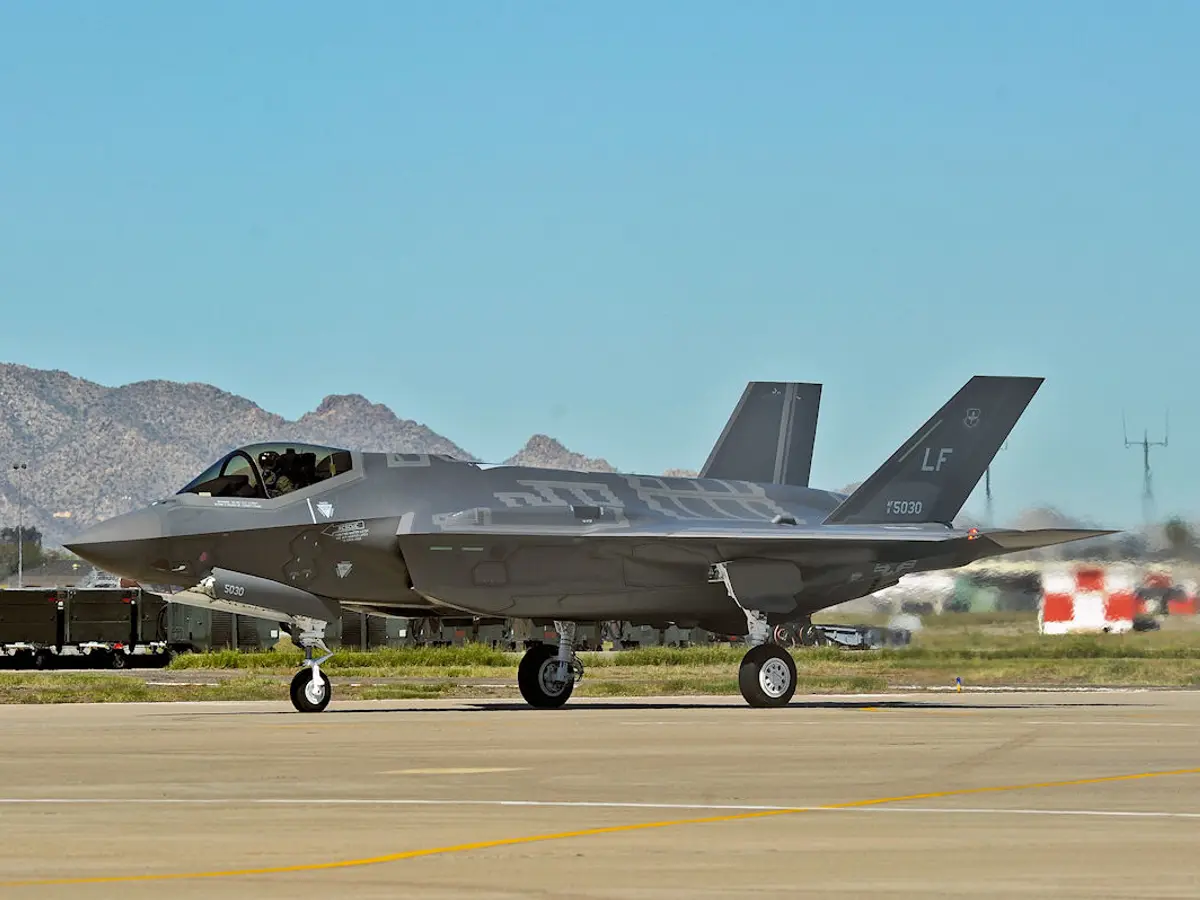
Saudi Arabia has long been a central player in Middle Eastern geopolitics, balancing economic growth, security interests, and regional influence. In recent months, attention has turned to a monumental development: the potential acquisition of F-35 fighter jets. This move, more than a simple defense upgrade, signals a profound shift in the Gulf’s strategic landscape.
The F-35, known for its stealth, advanced avionics, and multi-role capabilities, represents a new echelon of military sophistication. Saudi Arabia’s interest in these jets is not just about modernization; it is a deliberate statement of strategic intent. As Gulf nations observe this development, the implications ripple far beyond borders, hinting at a domino effect that could redefine alliances, deterrence, and defense priorities in the region.
Why the F-35 Matters to Saudi Arabia
The F-35 is more than a fighter jet—it is a symbol of cutting-edge military technology. For Saudi Arabia, acquiring this platform serves multiple objectives:
Strengthening National Security
With regional threats ranging from Iran’s missile capabilities to extremist insurgencies, Saudi Arabia needs air superiority to protect critical infrastructure and maintain deterrence. The F-35, with its stealth and advanced radar systems, offers the kingdom the ability to counter both conventional and asymmetric threats more effectively.
Enhancing Strategic Autonomy
Historically reliant on foreign allies for defense, Saudi Arabia’s F-35 deal signals an aspiration for strategic autonomy. Control over a modern fleet allows the kingdom to respond swiftly to threats, reduce dependency on external military interventions, and assert a more independent security posture.
Modernizing the Armed Forces
The kingdom’s military modernization is not limited to aircraft. It is part of a broader Vision 2030 goal to develop a self-reliant, technologically advanced defense ecosystem. The F-35 acquisition could spur local defense industries, create high-tech jobs, and position Saudi Arabia as a regional technological hub.
The Domino Effect on the Gulf
The potential entry of Saudi F-35s is likely to trigger a chain reaction across neighboring states.
Regional Security Recalibration
Gulf nations, particularly the UAE and Qatar, will reassess their own defense strategies. Historically, air superiority and missile defense have been central to deterrence calculations. Saudi Arabia’s F-35s could force neighboring countries to invest in similar capabilities, intensifying a regional arms upgrade cycle.
Strengthening Alliances and Partnerships
The F-35 deal also impacts diplomatic ties. Access to U.S.-supplied jets usually comes with closer intelligence sharing, joint training, and interoperability. Countries in the Gulf may be compelled to strengthen or renegotiate alliances, not just with the U.S., but with one another, to maintain balance in the region.
Strategic Messaging to Rivals
The acquisition sends a clear signal to adversaries in the region. Iran, in particular, will have to consider the enhanced capabilities of Saudi airpower in its regional calculations. This could either encourage restraint or accelerate its own military developments, creating a complex interplay of deterrence and escalation.
Economic and Technological Implications
Boost to Defense Industry
The F-35 deal could catalyze domestic defense initiatives. Saudi Arabia has expressed ambitions to develop indigenous aerospace capabilities, and exposure to advanced fighter technology can accelerate knowledge transfer and local production initiatives.
Job Creation and Skill Development
Integrating the F-35 fleet requires highly trained personnel, from pilots to maintenance engineers. This can stimulate high-skill employment and create a new generation of military experts capable of sustaining a sophisticated defense apparatus.
Indirect Economic Impact
A stronger Saudi defense posture may indirectly stabilize the region by discouraging aggression and promoting security. This stability could support continued foreign investment, tourism, and broader economic diversification initiatives outlined in Vision 2030.
Strategic Challenges Ahead
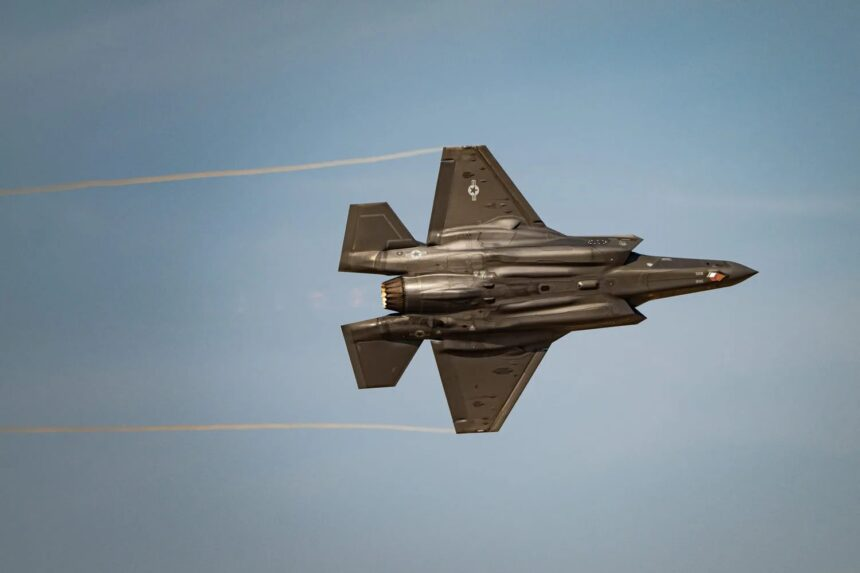
While the F-35 presents enormous opportunities, it is not without challenges.
Cost and Maintenance
Advanced jets like the F-35 are expensive, both to purchase and sustain. Training, maintenance, and operational costs could place significant strain on the defense budget if not carefully managed.
Geopolitical Sensitivities
The acquisition may unsettle neighboring countries, raising fears of an arms race. Balancing the strategic benefits against potential diplomatic fallout will require nuanced statecraft and careful communication with allies and rivals alike.
Integration and Operational Readiness
Transitioning to an advanced fleet involves rigorous pilot training, upgrading infrastructure, and ensuring operational readiness. Saudi Arabia will need years of meticulous planning to maximize the F-35’s potential.
The Road Ahead: Implications for Gulf Stability
Saudi Arabia’s potential F-35 acquisition is more than a defense purchase; it is a strategic gambit with far-reaching implications. If managed well, it could enhance deterrence, boost domestic technology, and strengthen regional security alliances. However, missteps could exacerbate tensions, trigger an arms race, or strain national budgets.
In essence, the F-35 domino effect is already in motion. Neighboring states will adjust, alliances may shift, and the Gulf’s security calculus is evolving. For Saudi Arabia, the choice to embrace cutting-edge airpower represents not just a military upgrade but a declaration of strategic intent—a message that it is ready to assert its influence and safeguard its future in a rapidly changing regional landscape.
The coming years will reveal whether this gamble solidifies Saudi Arabia’s leadership in the Gulf or ignites a new chapter of competition. Either way, the ripple effects of this move are set to define the trajectory of Gulf geopolitics for decades to come.
Do Follow Gulf Magazine on Instagram
Read More:- UAE National Day 2025: Celebrate Unity, Progress, and National Pride

