

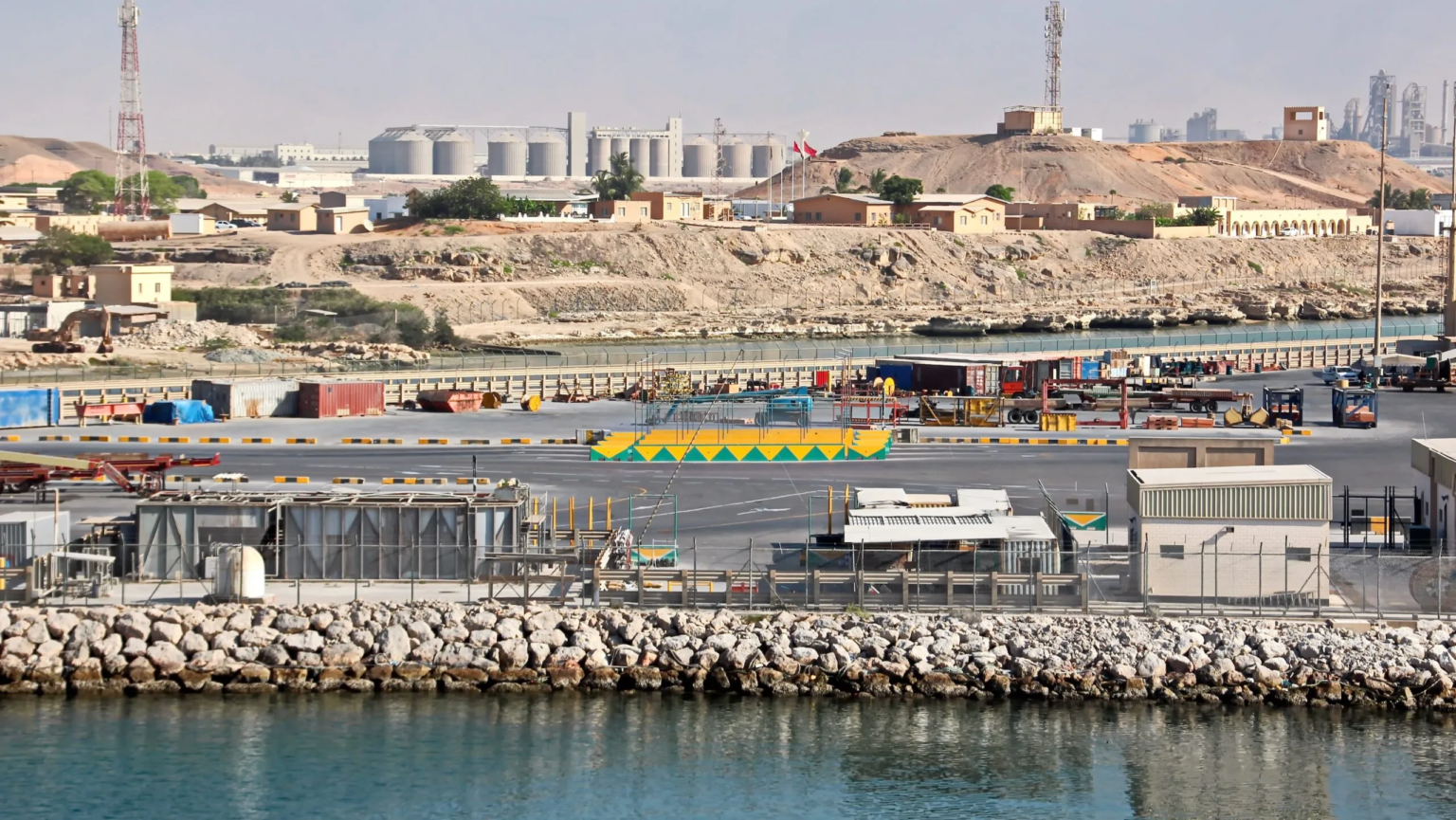
Oman is taking bold steps to strengthen its economy by announcing free-zone projects valued at $2.5 billion. These initiatives are expected to attract foreign investments, create jobs, and enhance trade opportunities. The government’s vision is to diversify the economy, reduce dependency on oil revenues, and position Oman as a leading business hub in the region.
The free-zone strategy aligns with Oman’s broader economic development plans, aiming to create an ecosystem that encourages innovation, entrepreneurship, and industrial growth. By offering attractive incentives and state-of-the-art infrastructure, the country seeks to draw international companies and local businesses to its free zones.
Key Highlights of the Free-Zone Projects
Oman’s upcoming free-zone projects are designed to target multiple sectors, including logistics, manufacturing, technology, and renewable energy. These zones will provide world-class infrastructure, easy regulatory processes, and competitive tax benefits to investors.
One of the critical aspects of the plan is the focus on creating specialized hubs tailored to specific industries. This approach will allow businesses to collaborate, innovate, and operate efficiently within a conducive environment. From warehousing facilities to research centers, every element of the free-zone projects has been designed to meet global standards.
Economic and Employment Impact
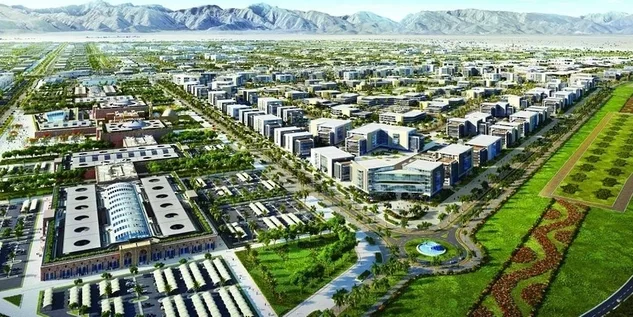
The $2.5 billion investment is expected to significantly boost employment opportunities in Oman. Thousands of jobs will be created across various sectors, offering both skilled and unskilled labor positions. The development of these free zones will also foster the growth of small and medium enterprises, providing a platform for local entrepreneurs to expand their businesses.
In addition to employment, the projects are anticipated to contribute to GDP growth, attract foreign direct investment, and strengthen position in the global trade network. The government’s commitment to streamlining business operations within the free zones will enhance investor confidence and encourage long-term investments.
Strategic Locations for Maximum Impact
Oman has carefully selected locations for its free-zone projects to ensure easy access to global markets. Ports, airports, and major transport networks will play a crucial role in facilitating the movement of goods and services.
The proximity of these zones to key trade routes will allow businesses to optimize logistics, reduce costs, and reach international markets efficiently. Moreover, the strategic positioning will make Oman an attractive destination for multinational companies seeking a base in the Middle East.
Incentives to Attract Investors
To encourage investment, Oman is offering a range of incentives for companies operating within the free zones. These include tax exemptions, flexible labor regulations, and simplified licensing procedures. Investors will also benefit from a business-friendly environment that supports innovation and technology-driven growth.
The government is actively engaging with potential investors and international partners to promote these free zones as a gateway to regional and global markets. By combining incentives with strategic planning, Oman aims to create a competitive edge that sets it apart from other countries in the region.
Focus on Sustainability and Innovation
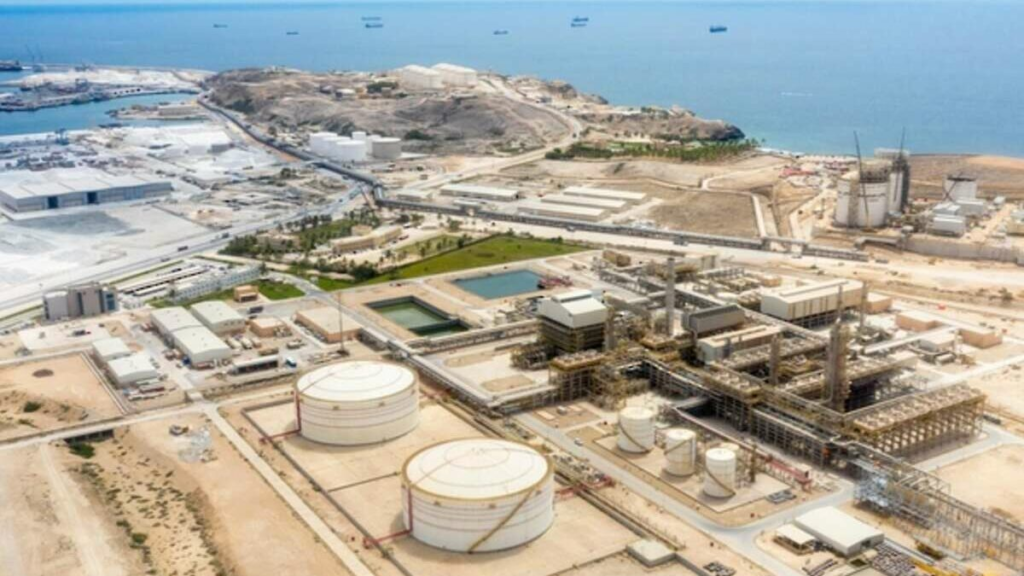
Sustainability is a core principle in Oman’s free-zone development plans. The projects will integrate renewable energy solutions, eco-friendly infrastructure, and green building practices. This focus on environmental responsibility will not only reduce operational costs but also enhance reputation as a forward-thinking economy.
Innovation will also play a key role in the free zones. By fostering research and development, the projects aim to attract technology-driven businesses, startups, and global companies seeking to implement cutting-edge solutions. The synergy between innovation and sustainability will ensure the long-term success and competitiveness of these free zones.
Partnerships and Global Collaboration
Oman is actively seeking partnerships with international companies, investors, and development agencies to maximize the potential of its free-zone projects. Collaborative ventures will provide technical expertise, funding, and knowledge transfer, ensuring that the projects meet international standards.
These collaborations will also create opportunities for skill development, training programs, and knowledge sharing among Omani professionals. By building a robust ecosystem of local and global partnerships, Oman is positioning itself as a hub for business excellence in the region.
Timeline and Future Prospects
The implementation of the $2.5 billion free-zone projects is expected to take several years, with phased development focusing on priority sectors first. Each phase will bring new opportunities, attract additional investments, and contribute to Oman’s overall economic growth.
Looking ahead, these projects are likely to transform Oman into a regional leader in trade, logistics, and industrial development. By creating a business-friendly environment and fostering innovation, Oman is set to achieve sustainable economic growth and long-term prosperity.
Final Thoughts
Oman’s ambitious plan to develop $2.5 billion free-zone projects reflects its commitment to economic diversification, investment attraction, and sustainable development. These zones will not only create jobs and boost trade but also establish Oman as a hub for global business.
With strategic planning, international partnerships, and a focus on innovation, the free zones are set to redefine Oman’s economic landscape. As these projects take shape, Oman’s vision of becoming a competitive and prosperous economy in the Middle East is steadily becoming a reality.
Do Follow Gulf Magazine on Instagram
Read More:- Iraq’s High-Level Visit Sparks Powerful Progress at WCC 2025

