

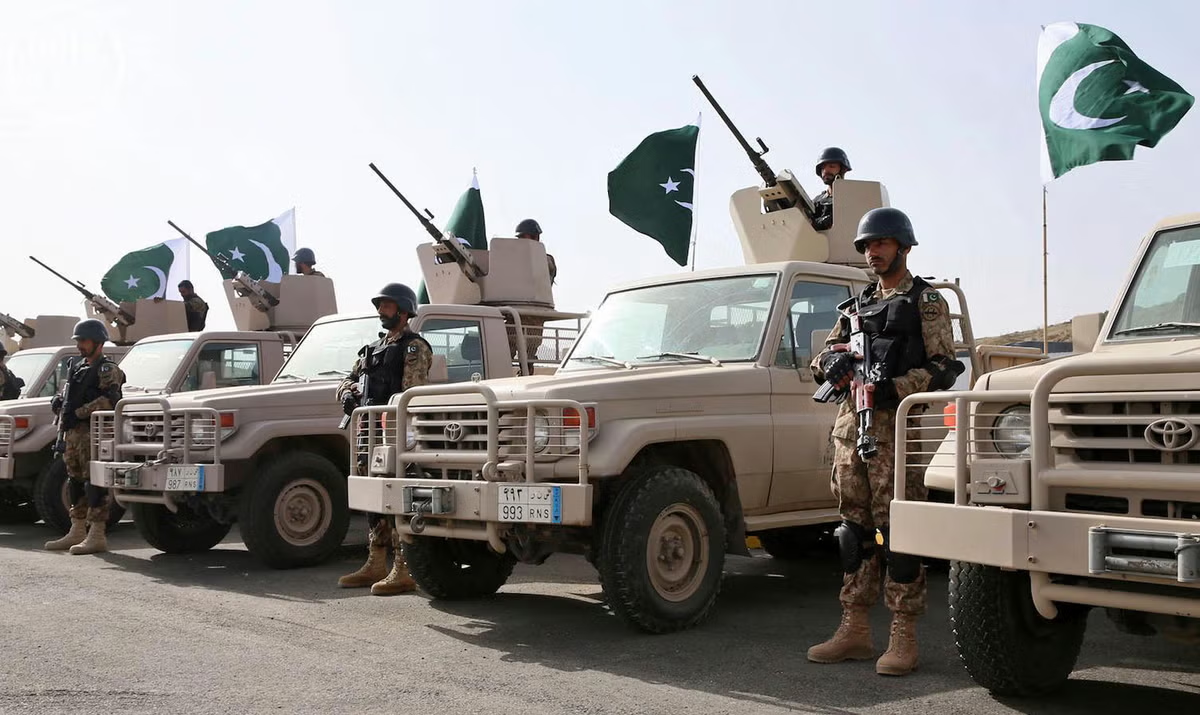
The latest round of truce discussions between Pakistan and Afghanistan, hosted in Riyadh under Saudi Arabia’s mediation, concluded without a breakthrough. For many observers, the meeting represented more than just another diplomatic exercise. It was a rare opportunity to restore communication, reduce border tensions, and create a structure for long-term regional stability. When it failed to produce an agreement, the disappointment resonated far beyond the meeting room.
Yet the significance of the effort cannot be understated. The attempt itself reflects a growing desire across the region for stable political ties, economic progress, and de-escalation. And even though the talks stalled, the process has opened the door for continued engagement.
Why the Talks Mattered for Both Nations
Pakistan and Afghanistan share deep historical, cultural, and economic ties, but the relationship has been strained for years. Border skirmishes, political mistrust, and security-related tensions have created an environment where communication often becomes a challenge.
A Saudi-backed initiative was seen as a strong chance to break the deadlock. The kingdom’s longstanding influence, balanced relationship with both nations, and expanding diplomatic role in global peace efforts gave the meeting unprecedented weight.
For Pakistan, the hope was to reduce cross-border threats and rebuild smoother diplomatic channels. For Afghanistan, the goal was to address security concerns while safeguarding national sovereignty and seeking recognition for internal political dynamics. Both sides, despite differences, walked into the meeting with expectations of at least agreeing to a framework for future discussions.
Saudi Arabia’s Evolving Role in Regional Diplomacy
Saudi Arabia’s mediation reflects its broader strategic vision. As the kingdom reshapes its global identity, including through economic diversification and enhanced international partnerships, its engagement in conflict resolution has grown noticeably.
Riyadh’s involvement in the Pak-Afghan situation shows its commitment to becoming a stabilizing force in the region. While the talks did not conclude successfully, Saudi Arabia’s willingness to facilitate dialogue demonstrates a constructive path forward. It reinforces the message that peace processes are often long, complex, and dependent on sustained goodwill.
The kingdom’s role also strengthens its diplomatic profile. Hosting the talks brought international attention to its efforts to promote peace and cooperation across South Asia and the broader Muslim world.
Understanding Why the Talks Collapsed
Despite the anticipation and diplomatic pressure, both delegations struggled to find common ground. The disagreements reportedly stemmed from conflicting expectations over border security operations, political recognition issues, and the mechanisms for verifying ceasefire commitments.
The challenges are deeply rooted. Pakistan’s concerns revolve around cross-border militant activity and the need for assurances that Afghan territory will not be used as a base for attacks. Afghanistan, on the other hand, seeks respect for its sovereignty, demands a halt to certain operations near border areas, and wants a consistent diplomatic channel that acknowledges its governing authority.
In Riyadh, these differences resurfaced. Without trust-building measures, even small points of disagreement became barriers. The talks ended without a formal agreement, though all sides acknowledged the necessity of continued dialogue.
The Human Impact Behind the Diplomatic Breakdown
Behind state-level negotiations lie the millions of people who live along the Pakistan-Afghanistan border. Daily life in these areas is often shaped by uncertainty. Markets, schools, transport routes, and family networks have been repeatedly affected by tensions.
A truce, even a temporary one, could have improved livelihoods immediately. Traders could move goods with fewer restrictions. Workers dependent on cross-border movement would find stability. Families separated by political and security complications could reconnect more easily.
The failure of the talks means these communities must continue to navigate a fragile environment. But the fact that both nations, with Saudi support, sat at the same table brings a sense of cautious optimism to many. For residents who desire peace more than politics, even small steps matter.
Regional Security and What Comes Next
South Asia’s stability is intertwined with the relationship between Pakistan and Afghanistan. A functioning dialogue between the two is essential for reducing extremist threats, ensuring safer borders, and unlocking economic potential.
The Riyadh meeting may not have produced a formal truce, but it has set the stage for future interactions. Diplomats from all sides are aware that walking away entirely would be counterproductive. Instead, the next phase may involve:
- Quiet, lower-level negotiations to build trust
- Confidence-building measures along sensitive border zones
- Third-party facilitation from Saudi Arabia or other regional partners
- Economic cooperation initiatives to soften political tensions
- Humanitarian coordination on border communities
Saudi Arabia is expected to remain involved, continuing its push for dialogue. Its mediation has already helped create a platform that both nations find acceptable, even if outcomes remain uncertain.
How the Global Community Views the Situation
International observers often view Pak-Afghan relations as a cornerstone for broader regional peace. The world has a vested interest in stability across the region, given its geopolitical importance and the flow of trade, migration, and security concerns.
Global partners see Saudi Arabia’s involvement as positive, largely because it introduces a neutral and respected mediator into a difficult equation. Even though this chapter ended without resolution, the process itself strengthens diplomatic architecture and increases the likelihood of progress in the near future.
Opportunity Within Setback
While the talks ended in disappointment, they also proved that peace negotiations are not dead. For both Pakistan and Afghanistan, the Riyadh initiative was a reminder that diplomatic engagement remains possible.
There is also a growing recognition that sustained communication — even during periods of tension — is essential. The fact that the discussions took place at all is a sign of maturity and willingness to engage, even if the road ahead remains challenging.
Saudi Arabia’s involvement ensures that the dialogue will not be abandoned. Instead, it may be reshaped, expanded, and resumed under more favorable circumstances.
Rebuilding Trust Through Continued Dialogue
Trust is the cornerstone of any truce, and rebuilding it requires patient, consistent engagement. Both countries have acknowledged, at different points, the need to stabilize their relationship. Even when agreements fail, the political incentive to keep talking remains powerful.
Future discussions may focus on smaller, more achievable steps rather than sweeping peace arrangements. This could include:
- Mutual verification mechanisms
- Joint border management committees
- Humanitarian corridors
- Trade facilitation agreements
- Coordinated response to extremist threats
These incremental moves may not make headlines, but they often lay the foundation for more ambitious agreements.
A Path Forward Despite the Challenges
The failure of the talks in Riyadh does not represent a final verdict on regional peace efforts. Instead, it highlights the complexity of the issues and the importance of perseverance in diplomacy. Saudi Arabia remains a willing partner, and both Pakistan and Afghanistan understand that disengagement is not an option.
The region’s future depends on dialogue, understanding, and the recognition that shared challenges require shared solutions. The Riyadh meeting, even without success, played a meaningful role in keeping those conversations alive.
Conclusion: Hope Beyond a Difficult Moment
The breakdown of the Saudi-mediated truce talks may feel like a setback, but it does not close the door on peace. It reflects the reality that diplomacy is a process, not a single event. The willingness of all parties to participate demonstrates a collective desire to find a path forward, however difficult.
Saudi Arabia’s positive and persistent mediation efforts indicate that the dialogue will continue. For millions of people in Pakistan and Afghanistan, the hope is that the next round of talks will bring progress, relief, and a renewed commitment to peace.
The story is still unfolding, and while this chapter ended without agreement, the future holds the possibility of reconciliation, cooperation, and stability — goals worth striving for with patience and determination.
Do Follow Gulf Magazine on Instagram
Read More:- Iraq’s High-Level Visit Sparks Powerful Progress at WCC 2025

