


In a significant move that is set to redefine international travel between the Middle East and Eastern Europe, Saudi Arabia and Russia have signed a landmark agreement allowing citizens of both countries to travel visa-free for up to 90 days. The pact promises to enhance tourism, strengthen diplomatic ties, and boost business collaborations, marking a milestone in bilateral relations that have been steadily growing in recent years.
This historic agreement reflects the shared commitment of Saudi Arabia and Russia to foster closer ties and facilitate smoother mobility for their citizens. It comes at a time when both nations are emphasizing the importance of tourism and economic diversification, aiming to create more opportunities for citizens, investors, and travelers alike.
Boosting Tourism and Cultural Exchange
One of the most immediate impacts of this visa-free agreement will be the surge in tourism between the two countries. Saudi Arabia, with its rich cultural heritage, historical landmarks, and the global attraction of Mecca and Medina, is expected to draw more Russian tourists. Meanwhile, Russia offers iconic destinations such as Moscow, St. Petersburg, and the scenic landscapes of Siberia and the Caucasus, which are anticipated to become increasingly popular among Saudi travelers.
The 90-day travel window allows tourists to plan longer stays, explore multiple regions, and immerse themselves in cultural experiences. For both nations, this is not just about convenience; it is about fostering understanding, building people-to-people connections, and strengthening cultural diplomacy.
Tour operators and airlines are expected to play a pivotal role in this transformation. Enhanced flight connectivity, special travel packages, and promotional campaigns are likely to accompany the agreement, making it easier for travelers to take advantage of this unprecedented opportunity.
Economic Opportunities and Business Growth
Beyond tourism, the visa-free agreement opens doors for business professionals and entrepreneurs. Saudi Arabia and Russia have been exploring avenues for trade, investment, and technological collaboration, and easier travel will accelerate these initiatives. Companies can now send executives, consultants, and specialists without the bureaucratic delays associated with visa processing.
Key sectors expected to benefit include energy, infrastructure, finance, and technology. The ease of travel will allow for faster negotiations, smoother joint ventures, and enhanced networking between business communities. Startups and small businesses, in particular, may find new markets and partnerships, driving innovation and economic growth on both sides.
Strengthening Diplomatic Relations
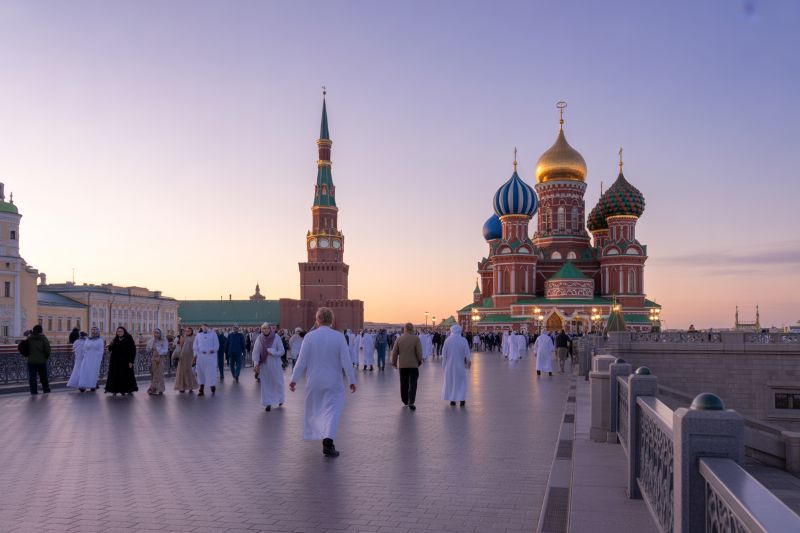
The visa-free pact is also a strategic diplomatic achievement. It signals mutual trust and a commitment to deepening bilateral relations. By reducing barriers to mobility, Saudi Arabia and Russia are fostering an environment of cooperation and partnership, which may extend to areas such as defense, energy security, and regional policy coordination.
This move comes amid a broader geopolitical landscape where both nations are seeking to expand their global influence while maintaining strong regional alliances. Facilitating travel and human interaction can build goodwill and create channels for informal diplomacy, laying the groundwork for future collaborations at multiple levels.
Simplifying Travel Processes
For ordinary travelers, the benefits are tangible. Gone are the long waiting periods, document verification processes, and the uncertainty associated with visa applications. With a simple travel document and adherence to standard entry requirements, citizens can now plan trips spontaneously or for extended stays, without bureaucratic hurdles.
Airlines, border authorities, and travel agencies will adapt their systems to accommodate the new rules, ensuring seamless travel experiences. This simplification is expected to encourage more frequent travel, making short business trips, family visits, and cultural exchanges more practical and affordable.
Potential Challenges and Considerations
While the agreement is overwhelmingly positive, it does come with considerations that both nations will need to manage. Security protocols, immigration control, and monitoring overstays will be critical to ensure that the ease of travel does not compromise safety. Authorities will need to strike a balance between openness and security, leveraging technology and coordination to maintain order at entry points.
Additionally, both countries must invest in tourism infrastructure, including hotels, transport, and translation services, to cater to an influx of visitors. Cultural sensitivity training and customer service enhancement will also play a key role in delivering a positive experience for travelers.
Public Response and Excitement
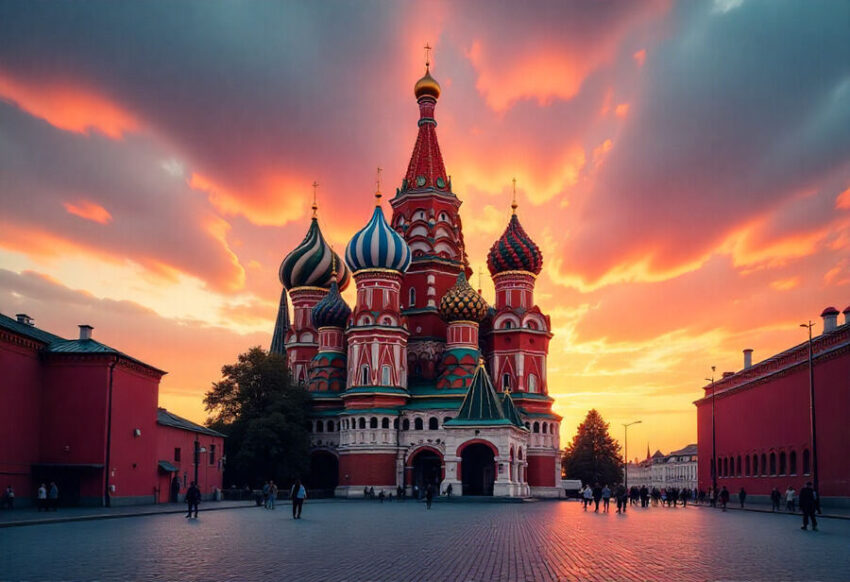
The announcement of the visa-free pact has generated widespread excitement among citizens and business communities alike. Social media platforms, travel forums, and news outlets are abuzz with discussions about the new opportunities. Many Saudi and Russian travelers have already started planning trips, eager to explore the destinations that were previously less accessible due to visa constraints.
Travel bloggers, influencers, and cultural ambassadors are expected to play an influential role in promoting the destinations, sharing insights, and encouraging cross-cultural engagement. The pact is likely to create a ripple effect, inspiring similar agreements with other countries in the region and beyond.
Looking Ahead: A New Standard for International Travel
This landmark agreement between Saudi Arabia and Russia could serve as a model for other nations seeking to strengthen bilateral ties through tourism and mobility. By prioritizing people-to-people connections and economic collaboration, the two nations are setting a new standard for international travel agreements.
Future developments may include extended durations, multi-entry provisions, and additional incentives for travelers, further enhancing the value of the pact. Educational exchanges, business summits, and cultural festivals may also see increased participation, leveraging the visa-free system to its fullest potential.
Conclusion
The 90-day visa-free travel agreement between Saudi Arabia and Russia is more than just a bureaucratic change—it is a transformative step toward closer relations, greater economic opportunities, and richer cultural experiences. It reflects a shared vision of connectivity, mutual growth, and trust between two nations with a long history of cooperation.
For travelers, business professionals, and cultural enthusiasts, this pact opens a world of possibilities. It is a milestone that promises to make travel simpler, tourism more vibrant, and international collaboration more dynamic. As Saudi Arabia and Russia embark on this new journey of visa-free mobility, the benefits are poised to resonate far beyond borders, shaping a future where travel, trade, and cultural exchange flourish like never before.
Do Follow Gulf Magazine on Instagram
Read More:- Non-Saudis Can Own Real Estate in Saudi Arabia – An Exclusive Opportunity from January 2026

