

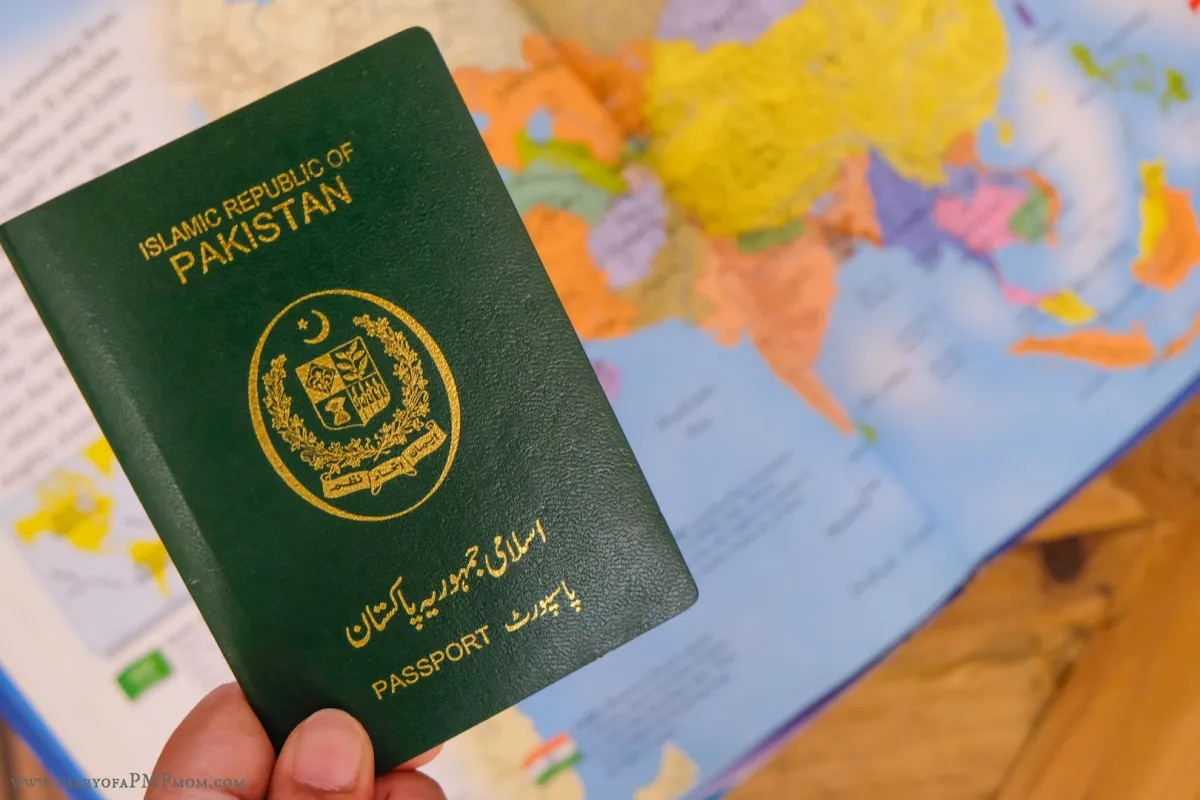
In a dramatic turn of events, Gulf countries led by United Arab Emirates (UAE) have halted issuing visas to Pakistani citizens, a move that stirred fears of a total passport ban. Pakistani officials have revealed that the freeze affects most ordinary passport holders, with only blue (official) and diplomatic passport holders reportedly still eligible.
According to recently shared testimony before Pakistan’s Senate committee, the halt in visa issuance is officially in force. However, authorities clarify that at present there is no formal ban on the Pakistani passport — though they warn that if such a ban were imposed, it would be extremely difficult to overturn.
Thus, the Pakistani passport has narrowly escaped being blacklisted by Gulf nations — for now.
Why Gulf Countries Pulled Back — Security and Behaviour Concerns
The decision to stop issuing visas stems from repeated instances where some individuals arriving under Pakistani passports were allegedly involved in criminal activities, including begging, smuggling and other offenses. Officials argue that such misuse of visas has eroded trust and increased the perceived risk for host countries.
In that context, visa restrictions — even if temporary — are being positioned by Gulf governments as necessary security measures, meant to curb misuse and safeguard public order. The freeze appears directed especially at ordinary visa applicants rather than diplomats or government‑level travellers.
What It Means for Pakistanis — Remittances, Jobs, and Dreams On Hold
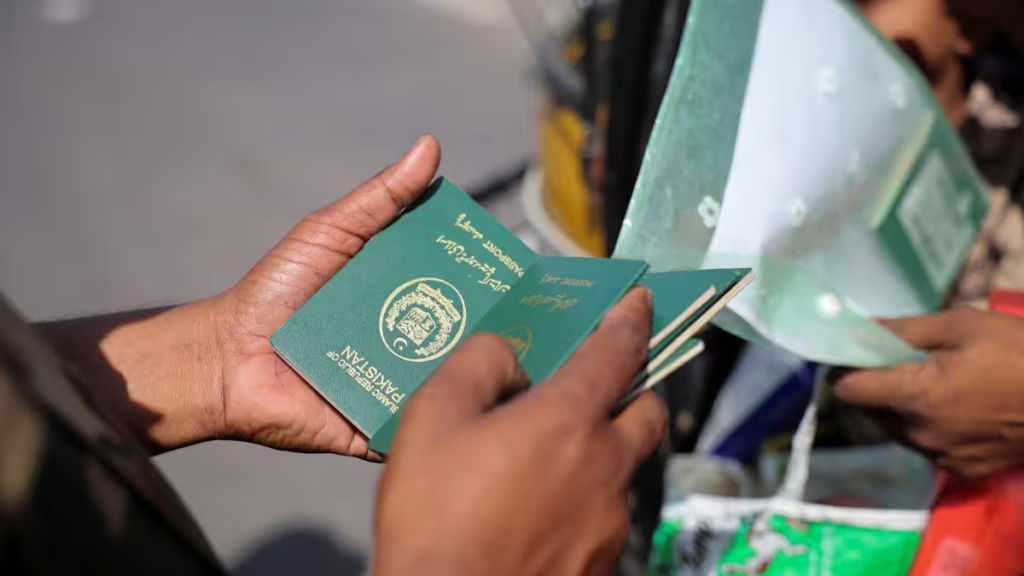
For many Pakistanis, Gulf countries like UAE and others have been magnets of opportunity — be it for jobs, business, or migrant work. With visas now suspended for the majority, aspirations of working abroad or relocating face sudden blockage.
This will likely hit remittances, the livelihood of migrant workers, and those who had planned to travel for employment or business. Pakistan’s economy and many families depending on Gulf incomes may feel pressure.
Young job‑seekers, professionals, daily‑wage workers — all face uncertainty. Travel plans are disrupted; visas once considered relatively accessible are now out of reach.
Political and Diplomatic Fallout — Pressure Mounting
On the diplomatic front, the situation is tense. The abrupt visa freeze forced Pakistan’s leadership and foreign office to engage with Gulf counterparts to seek clarity, redress, and reassurance.
Inside Pakistan’s Senate, senior officials warned that a full passport ban — though not yet imposed — had been seriously considered by Gulf states. That warning alone has triggered widespread concern among citizens who rely on cross‑border mobility.
The freeze puts strain on long-standing ties between Pakistan and Gulf nations, potentially affecting trade, labor exchange, remittances, and bilateral trust.
Will the Passport Ban Return? What’s Next
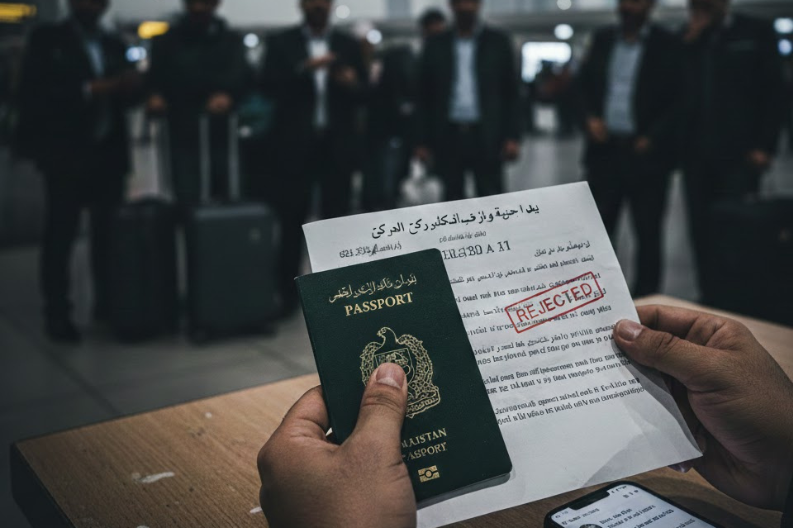
Though the passport survived for now, nothing is certain. If incidents of misuse continue or new security concerns emerge, Gulf countries may revisit their decision. The same Pakistani official who briefed the Senate said that once a ban is implemented, lifting it would be extremely difficult.
For ordinary Pakistanis, that uncertainty looms large. Meanwhile, only those with diplomatic or official passports enjoy relative ease of travel. For others, visa applications have become a lottery — unpredictable and unstable.
For Gulf nations, the freeze may be a preliminary phase — a test to see whether stricter controls will deter misuse. If not, a formal passport ban could still be on the table.
In a Tough Spot — What Pakistan Needs Now
This is a critical moment for Pakistan’s policymakers and its citizenry. They must push for transparent dialogue and fair visa‑screening procedures with Gulf governments. At the same time, there should be rigorous internal reforms to ensure misuse of travel privileges is minimized.
For ordinary citizens with legitimate travel or work goals, clear communication, stronger passport verification, and better oversight can help restore trust over time. The passport may have survived this round — but its future depends on collective responsibility, diplomacy, and systemic changes.
Do Follow Gulf Magazine on Instagram
Read More:- Oman’s Bold Visa-Free Move Unlocks Exciting Travel Freedom for Filipinos 2025

