


Saudi Arabia has welcomed the newly announced OPEC+ production mechanism, calling it a major turning point for global oil markets. This innovative approach is seen as a proactive measure to enhance market predictability, reduce volatility, and maintain balanced supply and demand in an ever-evolving energy landscape.
The kingdom emphasized that the mechanism is designed to respond more efficiently to market signals, ensuring that production adjustments are timely, effective, and aligned with global economic needs. This forward-thinking strategy highlights Saudi Arabia’s commitment to maintaining stability in energy markets while supporting global economic growth.
How the New Mechanism Works
The newly introduced OPEC+ production mechanism operates with a dynamic approach, allowing for adjustments in production levels based on real-time market conditions. Instead of relying on pre-set quotas alone, member countries can now respond more flexibly to shifts in demand, geopolitical factors, and economic trends.
By monitoring market indicators closely, OPEC+ aims to smooth out extreme fluctuations in oil prices. This strategy addresses long-standing concerns over price instability, which has historically impacted both oil-importing and oil-exporting nations. The mechanism also promotes cooperation among member countries, encouraging transparency and accountability in production decisions.
Saudi Arabia’s Role in Driving Change
Saudi Arabia, as one of the leading members of OPEC+, has been pivotal in shaping the new production strategy. The kingdom’s energy officials highlighted their vision of a more balanced and resilient oil market, where extreme price swings are minimized, and long-term sustainability is prioritized.
The move also reinforces Saudi Arabia’s position as a key influencer in global energy policy. By championing the new mechanism, the kingdom demonstrates its ability to lead international initiatives that benefit not only OPEC+ members but also the global economy at large.
Positive Implications for Global Markets
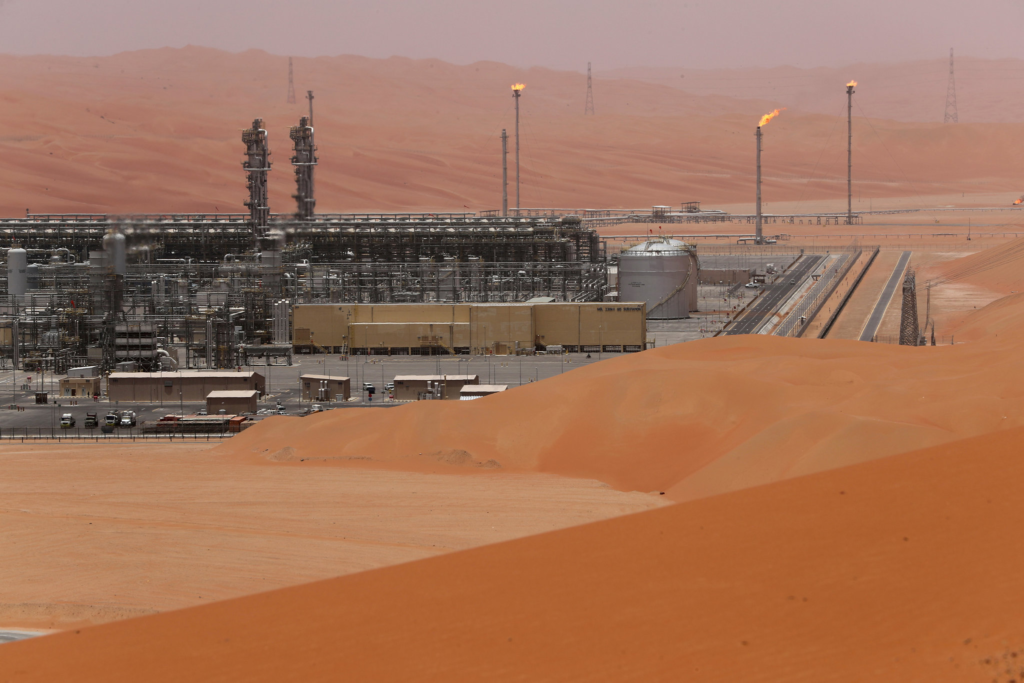
Market analysts are optimistic about the impact of the new OPEC+ production mechanism. A more predictable and stable oil market is expected to encourage investment in the energy sector, boost economic confidence, and reduce the risk of disruptive price shocks.
For oil-importing countries, stability in supply and prices can contribute to more predictable energy costs, easing inflationary pressures and supporting broader economic growth. For exporting nations, coordinated production ensures sustainable revenues while fostering stronger international partnerships.
Strengthening Cooperation Among Member Countries
One of the key aspects of the new mechanism is its emphasis on cooperation and collective decision-making. OPEC+ members now have a framework that encourages dialogue, shared responsibility, and mutual support. This approach fosters unity and reduces the likelihood of unilateral actions that could destabilize markets.
Saudi Arabia’s leadership in facilitating this cooperative environment underscores its commitment to global energy security. The kingdom’s approach demonstrates that strategic collaboration can deliver tangible benefits for all stakeholders involved.
Addressing Historical Market Challenges
Oil markets have historically faced cycles of sharp price fluctuations, often triggered by geopolitical tensions, economic shocks, or shifts in supply and demand. These swings can have far-reaching consequences, affecting everything from household energy costs to industrial production and government budgets.
By implementing a more flexible and responsive production mechanism, OPEC+ seeks to mitigate these challenges. The focus is on creating an environment where markets can function more efficiently, with reduced uncertainty and greater predictability for businesses and consumers alike.
Economic Benefits Beyond the Oil Sector
Stabilized oil prices have implications that extend beyond the energy sector. Predictable energy costs can support industrial growth, investment planning, and long-term infrastructure development. Countries that rely heavily on oil imports or exports can benefit from improved fiscal planning and reduced economic volatility.
Moreover, a stable oil market contributes to investor confidence, attracting capital to projects that drive technological innovation, renewable energy adoption, and broader economic diversification. The new OPEC+ mechanism therefore plays a role not just in energy markets, but in global economic resilience.
Looking Ahead: A New Era for OPEC+
Saudi Arabia’s praise for the new OPEC+ production mechanism signals confidence in the organization’s ability to adapt to contemporary challenges. By embracing flexibility, transparency, and cooperation, OPEC+ is positioning itself as a stabilizing force in global energy markets.
The kingdom’s statements suggest that this approach will continue to evolve, incorporating lessons from market dynamics and member experiences. This forward-looking strategy reflects an understanding that energy markets are complex and interconnected, requiring proactive measures to ensure balance and stability.
Global Response and Market Sentiment
Early reactions from international energy stakeholders have been largely positive. Analysts note that a mechanism capable of responding swiftly to market changes can prevent sharp disruptions and foster a sense of confidence among investors and policymakers alike.
While some challenges remain, including geopolitical uncertainties and demand fluctuations, the new OPEC+ framework is widely regarded as a step in the right direction. Saudi Arabia’s active role in advocating for this approach reinforces its commitment to constructive engagement and global energy leadership.
Conclusion: A Strategic Turning Point
The introduction of the new OPEC+ production mechanism marks a significant milestone in the evolution of global oil markets. Saudi Arabia’s endorsement highlights the kingdom’s leadership and vision in promoting stability, cooperation, and sustainable economic growth.
By providing a more responsive, transparent, and collaborative approach to production management, OPEC+ is better equipped to navigate the complexities of modern energy markets. This mechanism not only benefits member countries but also contributes to global economic resilience, signaling a positive future for energy stability worldwide.
Do Follow Gulf Magazine on Instagram
Read More:- Oman’s Bold Visa-Free Move Unlocks Exciting Travel Freedom for Filipinos 2025

