

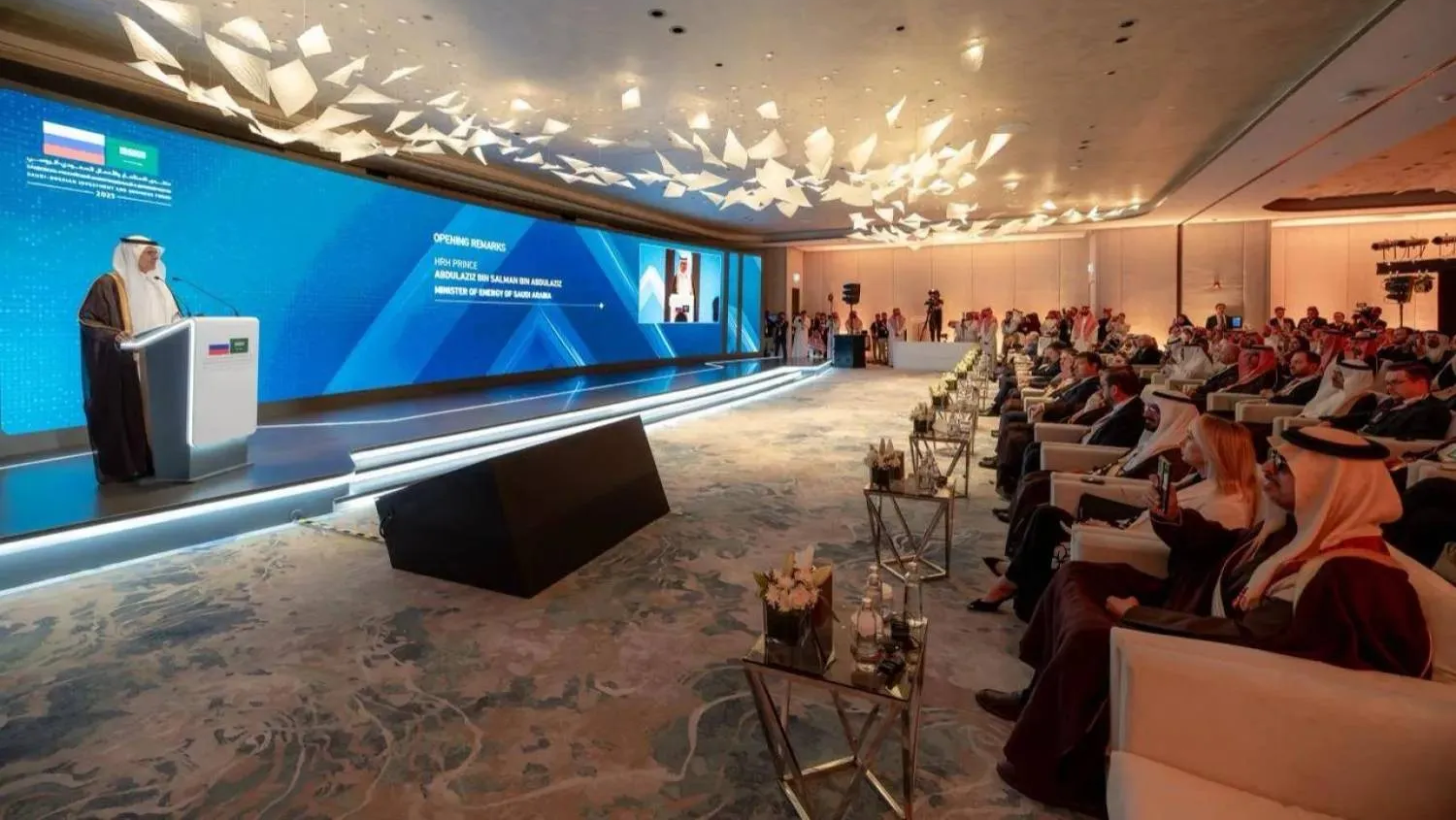
Siemens Saudi Arabia expects its business in the Kingdom to grow by more than 15 percent annually, driven by a wave of industrial projects, infrastructure upgrades and preparations for major events such as the 2034 FIFA World Cup. The company’s local leaders say rising demand for electrification, automation, digitalisation and mobility solutions is creating fertile ground for expansion across energy, transport and industry sectors.
A clear target, a human story
Behind the headline figure is a human journey — teams of engineers, project managers and local partners who have navigated technical complexity, cultural differences and long project cycles to deliver tangible results. For many staff at Siemens Saudi Arabia, the growth target is not just a business KPI: it represents job creation, skills transfer and the chance to show how modern engineering can improve everyday life in cities and industrial zones.
Fawaz Al-Shammari, senior vice-president and head of the digital industries sector at Siemens Saudi Arabia, told reporters the Kingdom’s ambitious development plans are a major reason the company expects to exceed the 15 percent mark. He pointed to large investments across industrial, energy, infrastructure and transport sectors that are already turning into orders and contracts for Siemens.
Why Saudi Arabia — and why now
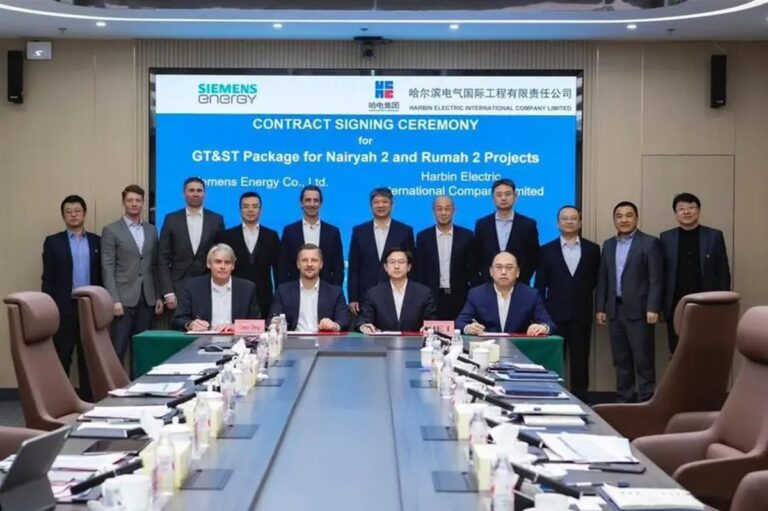
Saudi Arabia’s economy has accelerated its push into non-oil sectors, with large public and private investments aimed at modernising power systems, expanding industrial capacity and building new transport and urban infrastructure. Policies that promote localisation, public-private partnerships and technology transfer have also made the Kingdom a more attractive market for multinational engineering firms.
Siemens’ growth expectations align with a series of recent contracts and collaborations. Over the past year, Siemens Energy and its affiliates have secured major power-project contracts and participated in carbon-capture pilot projects and water and desalination initiatives — all of which demonstrate the depth and breadth of opportunities in the region. These projects not only generate revenue but also build long-term relationships with Saudi utilities, industrial firms and government bodies.
From strategy to street-level impact
A key reason Siemens is optimistic about Saudi growth is the company’s local footprint and integrated approach. Siemens does not only supply equipment; it provides long-term service contracts, digital solutions for plant efficiency, and training programmes that help local engineers operate and maintain complex systems. This combination turns one-off sales into multi-year partnerships.
On the ground, that means more than machines. It means better hospital equipment uptime, more reliable electricity for factories, safer and more efficient rail and road projects, and digital tools that help manufacturers reduce waste and energy use. For communities, the outcome is clearer: better public services, more stable jobs and the emergence of a local workforce capable of running world-class infrastructure.
The role of digital industries
Siemens’ projection is closely tied to its digital industries business, which bundles automation, software and industrial IT. The digital transformation of factories and utilities often called Industry 4.0 — is a major revenue driver because clients increasingly buy systems that are both physical and software-driven.
In Saudi Arabia, this trend is amplified by national plans that encourage smarter industry, from petrochemicals to mining and advanced manufacturing. Siemens’ expertise in automation and software positions it to capture a larger share of projects that need both hardware and digital services, helping explain the company’s bullish 15 percent outlook in the Kingdom.
Challenges on the road to growth
No growth story is free of obstacles. Siemens and its competitors face stiff logistical, regulatory and workforce challenges in delivering large projects across a country as geographically vast as Saudi Arabia. Long procurement cycles, tight timetables for major events, and the need for local content and Saudisation add layers of complexity.
Furthermore, global supply-chain pressures and fluctuating commodity prices can affect project costs and timelines. Siemens’ local teams mitigate these risks through long-term supplier partnerships, flexible contracting models and investments in local training and service centres designed to shorten response times and increase reliability.
Stories of struggle and achievement
The human side of Siemens’ expansion is best told through examples: a project team working round the clock to synchronise power systems for a new industrial zone; a classroom where Siemens engineers train young Saudi technicians on automation tools; a maintenance crew that keeps turbines online during peak demand days. These stories show the grit and skill behind the growth numbers — and they show how technology becomes a real force for social and economic change when paired with local talent and leadership.
Employees often describe early project stages as tough: grappling with unfamiliar sites, tight procurement windows, and high public expectations. The triumph comes when teams deliver — a new plant starts producing, a rail line opens on schedule, or a hospital’s diagnostics systems run without interruption. Those achievements ripple out into communities and local supply chains, creating new opportunities and inspiring the next generation of engineers.
Local partnerships and talent development
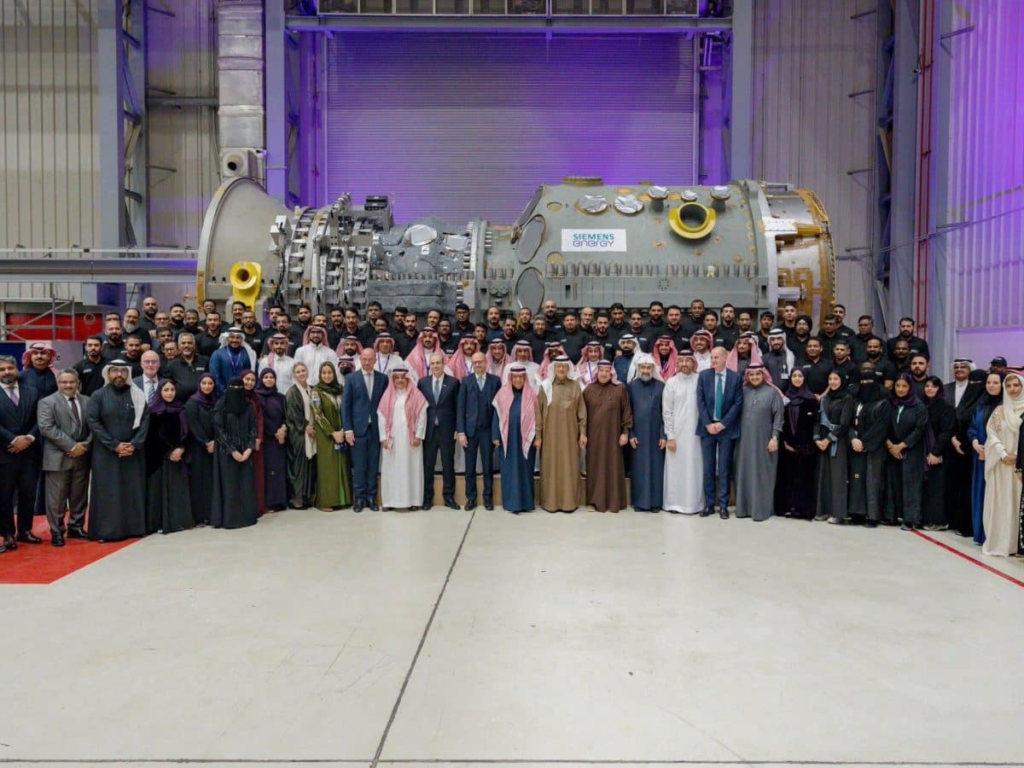
Siemens’ model in Saudi Arabia relies heavily on partnerships with local firms, government entities and educational institutions. These alliances enable Siemens to adapt global technology to local conditions and ensure that expertise stays in the Kingdom after projects are completed.
Training programmes — apprenticeships, on-the-job training and classroom courses — are central to this approach. By investing in human capital, Siemens helps build a pipeline of Saudi engineers and technicians who can sustain complex infrastructure. For many young Saudis, joining a Siemens project becomes a career milestone and a pathway to leadership roles in the region’s fast-growing industrial sectors.
Sustainability and innovation: two pillars of expansion
Saudi Arabia’s sustainability agenda including decarbonisation, cleaner power generation and efficient water use fits well with Siemens’ global priorities. Collaborations on carbon capture pilots and energy-efficient solutions show how the company combines commercial growth with environmental goals.
Innovation is another pillar. Siemens brings advanced technologies such as digital twins, predictive maintenance and automation to Saudi projects. These tools reduce downtime, lower lifecycle costs and improve safety. When companies and public institutions adopt such innovations, they not only optimise operations but also create higher-value technical jobs and attract more advanced industrial activity to the Kingdom.
What 15 percent growth means for the future
A sustained 15 percent annual growth rate would compound into a much larger Siemens presence in Saudi Arabia over several years. For the local economy, that can mean deeper technology transfer, more local suppliers, and a broader set of expertise in fields such as renewable energy, digital manufacturing and smart cities.
For Siemens, the Kingdom represents a strategic market: a gateway to broader Gulf opportunities and a testbed for large-scale projects that blend industrial scale with digital innovation. Success in Saudi Arabia could help the company replicate models in neighboring markets and scale its regional operations.
Closing: a shared vision
The 15 percent growth forecast from Siemens Saudi Arabia is more than a corporate target it is a signal that big engineering firms see lasting opportunity in the Kingdom’s transformation. But the figure gains meaning only when placed beside the human stories of struggle and success: the engineers who stay overnight to meet a deadline, the trainees who graduate into skilled jobs, and the communities that gain from more reliable power and smarter factories.
Those human stories of resilience, learning and achievement will determine whether growth is truly inclusive and lasting. For now, Siemens’ commitment and local partnerships suggest the company is ready to invest not just capital, but time and expertise, in Saudi Arabia’s future. If the company meets its target, the result will be more than financial growth: it will be a visible change in the everyday lives of people across the Kingdom.
Do Follow Gulf Magazine on Instagram
Read More:- Late Afsha Penalty Denies Kuwait Famous Victory in Doha 2025

