

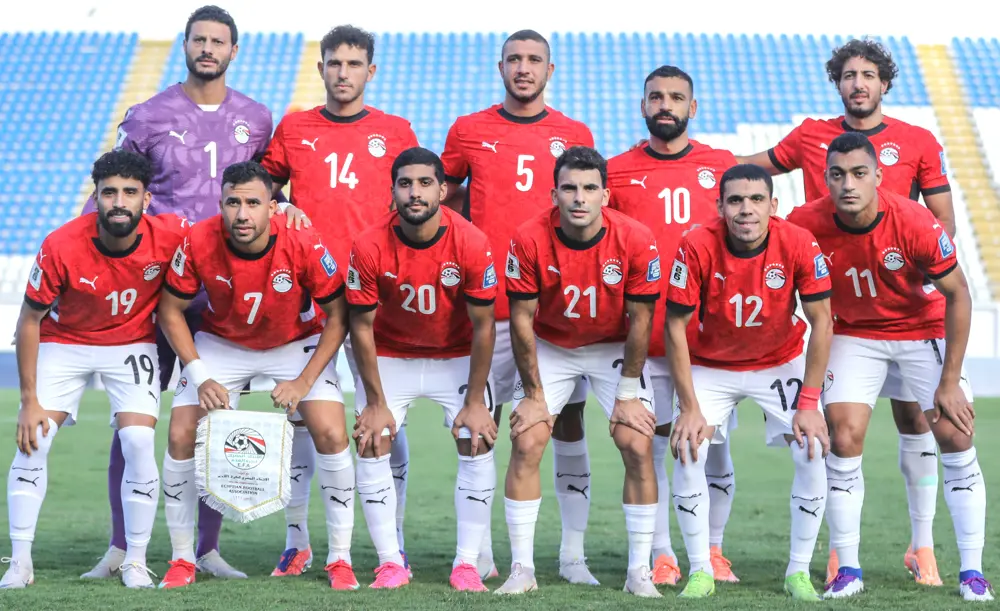
Egypt salvaged a dramatic 1-1 draw with Kuwait in their FIFA Arab Cup Group C opener at the Lusail Stadium on Tuesday, thanks to a late penalty from substitute Mohamed Magdy Afsha The match tense, stop-start and full of emotion summed up why football can be such a powerful mirror of life: effort met obstacle, determination met setback, and in the end one moment of belief changed the mood for an entire team.
A quiet first half, then a swing of momentum
The game began at a cautious tempo. Egypt, the pre-match favourites, probed with controlled possession but found Kuwait well organised and determined to frustrate. The first half finished with few clear chances and a growing sense that the match would be decided by moments rather than long spells of dominance.
As the second half unfolded, Kuwait struck the first meaningful blow. Defender Fahed Al-Hajri rose highest from a set piece to head Kuwait into the lead in the 65th minute, celebrating a rare and priceless moment for club and country. His goal forced Egypt out of their comfort zone and changed the narrative of the game.
Frustration, a red card, and the pressure cooker at Lusail
The match almost spun further in Kuwait’s favour when tensions flared. Saudi goalkeeper Saud Al-Houshan received a red card in the 83rd minute for a foul that denied an obvious goalscoring opportunity, leaving Kuwait to finish with ten men. That decision intensified the pressure on both sides — Kuwait had to defend heroically with a man down, while Egypt now faced the urgency of breaking through before full time. The drama unfolded on one of the region’s most famous stages, Lusail Stadium — an 80,000-seat venue built for big moments and shining under floodlights.
Afsha: the super-sub who turned the tide
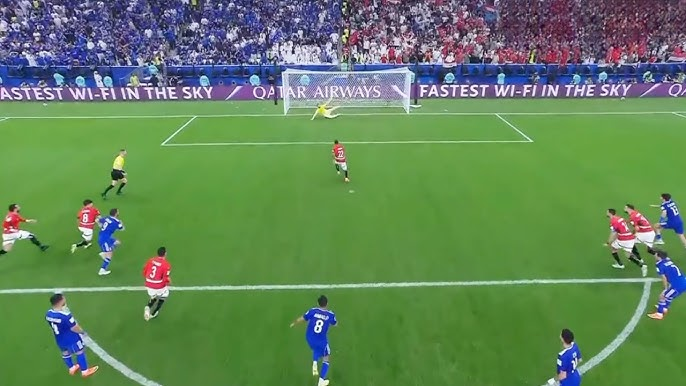
Into that cauldron stepped Mohamed Magdy “Afsha”, the Al Ahly attacking midfielder known for big-game instincts. Brought on to add creativity and urgency, Afsha won and converted a penalty in the 87th minute to level the score and rescue a point for Egypt. For Afsha, who has a history of decisive goals in important matches for both club and country, this was another chapter in a career built on poise and clutch moments. His path from local youth setups to starring for Al Ahly and the national team — is a reminder of persistence, hard work and seizing chances when they come.
Beyond the result: lives behind the shirts
Matches like this are about more than tactics and stats. They are about people who have travelled different roads to reach a place under the lights. Afsha’s story is one of steady rise: a Giza youngster who worked through Egypt’s league system, learned his trade at ENPPI and Pyramids, then found the spotlight at Al Ahly, where he’s produced match-winning moments on continental stages. That experience shows younger players that consistency and belief can lift you into big moments.
On the Kuwaiti side, Fahed Al-Hajri’s headed goal is a career highlight born of dedication. Centre-backs often carry the weight of expectation quietly training to win aerial duels, studying opponents, and committing to physical battles that rarely make headlines unless they end in a goal. Al-Hajri’s successful header tells a story of discipline and timing, and it matters to young defenders watching from back home who dream of similar nights.
Coaches, tactics and lessons learned
Egypt’s coach will take positives sustained possession, improved control in the final quarter — but also questions: why did a fancied side allow a set-piece goal, and how will the team avoid conceding soft chances? Kuwait’s coach, meanwhile, can point to organisation, resilience and a willingness to fight for every ball. When teams of different profiles meet, small margins decide outcomes: a late penalty, a single defensive error, a red card born of split-second judgement.
For players, this match provides learning moments. For fans, it was a reminder that international tournaments are not won on reputation alone; they are won with concentration, adaptability, and sometimes a little luck. The draw leaves Group C wide open and sets up intriguing next fixtures for both nations.
The Lusail stage: how the stadium adds to the moment
There’s a psychological effect to playing in a venue like Lusail. Designed by top architects, the stadium has hosted World Cup finals and major regional matches, giving players a sense they are performing on a grand stage. The architecture, the lights, and the crowd (even when not full) create an atmosphere that elevates pressure and inspiration in equal measure. For many players, walking out on that turf is a career memory; for younger squad members, it’s a taste of what can come with hard work.
What this means for Egypt and Kuwait in the Arab Cup
A draw in the opening match is a mixed bag. Egypt, expected to challenge at the top of the group, will want to turn dominant moments into three points in upcoming games. Kuwait, buoyed by a positive result against a strong opponent, will take confidence into their next match and believe they can surprise others in the pool. Both teams now have to manage recovery, rotation and focus as the tournament unfolds.
Human stories: sacrifices, routines and the road to national selection
Behind every national-team appearance are years of early mornings, coach criticisms, club sacrifices and family support. Players like Afsha often speak quietly about the grind: hours of extra training, tactical study, and dealing with setbacks such as injuries or dropped form. For many in Egypt, football is also a route to social uplift — a way to provide for family and inspire communities. In Kuwait, players balance local club commitments and national duty with pride in representing a small footballing nation on big stages.
These human elements the small, daily choices create the conditions for moments like Afsha’s penalty: someone prepared, ready and confident when the decisive action arrived. Those stories are the true inspiration for young fans watching from small towns or city suburbs, dreaming of the national shirt.
Fans, social media and the emotional aftermath
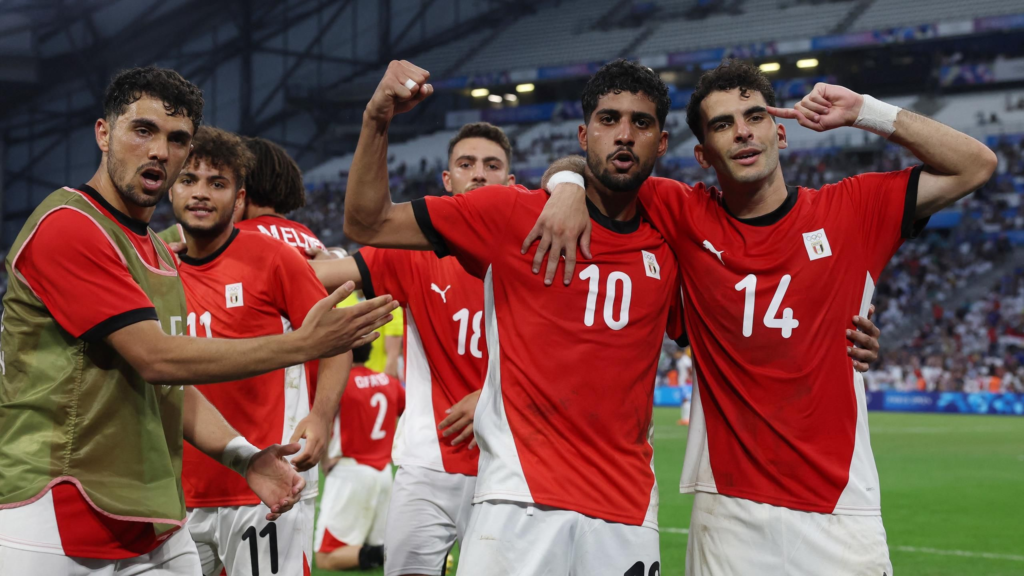
After the final whistle, social media lit up with mixed feelings: relief from Egyptian supporters and celebration from Kuwaiti fans who saw bravery and discipline rewarded. Football’s rapid communication channels turn single moments into national conversation a missed tackle becomes debate, a goal becomes a meme, and a red card sparks analysis. For the players, this is part of modern sport: instant feedback, sometimes harsh, sometimes loving, but always powerful in shaping public memory.
Looking ahead: challenges and opportunities
Both teams now turn their attention to the next fixtures, fitness management, and tactical tweaks. For Egypt, converting dominance into wins will be crucial; for Kuwait, building on organisation and set-piece prowess could deliver more surprises. Individual players who shone or held firm in Lusail will see their stock rise: Afsha for his calm under pressure, Al-Hajri for his decisive aerial power.
Young players watching will take different lessons: the value of resilience, the importance of seizing opportunities as they come, and the reality that sport rewards those who prepare when no one is watching. That message of daily discipline leading to transcendent moments is what makes football a lasting source of inspiration.
Final thought: small moments, big meaning
A 1-1 scoreline can be read many ways. For purists, it was an underwhelming draw. For the players who faced pressure, it was a battle where character mattered. For a young fan in Cairo or Kuwait City, Afsha’s composed penalty or Al-Hajri’s headed goal might be the spark that changes a life. In sport, as in life, sometimes a single act of courage or focus becomes a beacon. Tonight at Lusail, that beacon burned bright and it will be remembered not just as a stat, but as a story.
Do Follow Gulf Magazine on Instagram
Read More:- Late Afsha Penalty Denies Kuwait Famous Victory in Doha 2025

