

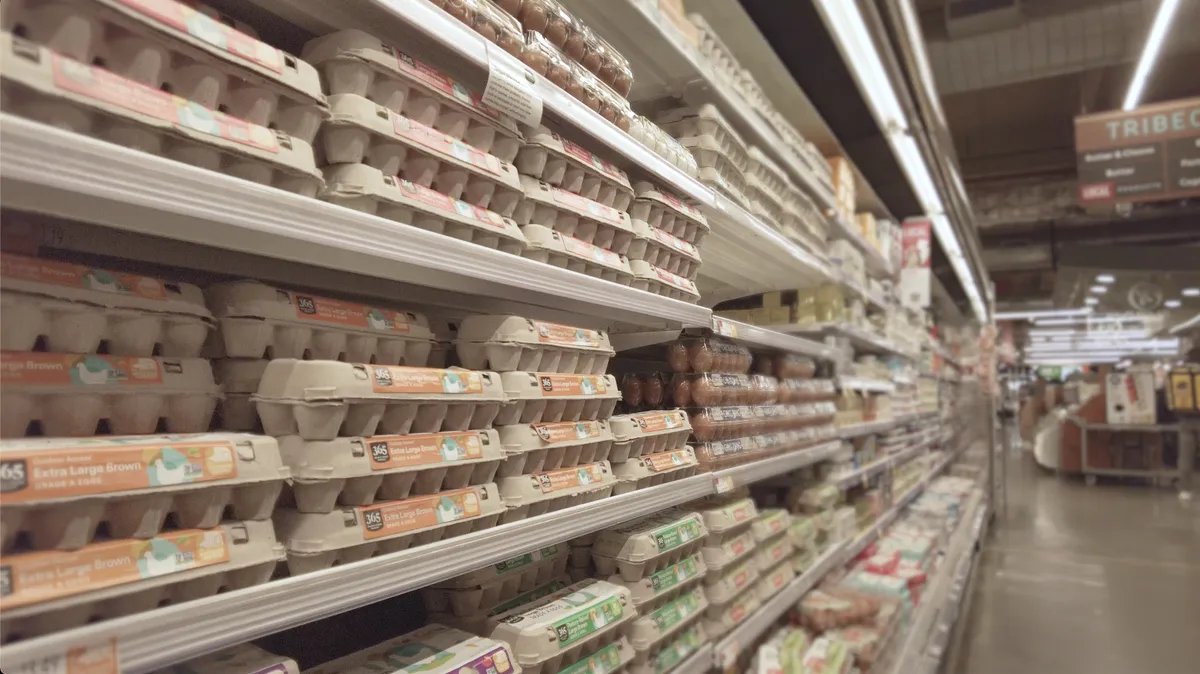
Kuwaitis woke to empty shelves and higher prices this week as a seasonal egg shortage forced authorities and producers into emergency talks. Eggs — a basic item in many households and in food businesses — suddenly became harder to find in local markets, prompting the Commerce Ministry and cooperative societies to meet suppliers and poultry unions to stabilize supply quickly.
Why eggs? The seasonal and structural reasons
The shortage is not the result of one single cause but a mix of seasonal production cycles and industry logistics. Poultry farms commonly replace older laying hens with new flocks at certain times of the year; new hens typically take several weeks to reach full egg production. That temporary drop in laying birds, combined with supply-chain slowdowns and higher production costs for local farms, creates an annual dip in availability. Producers said they expect production to recover gradually once the renewal cycle completes.
Global and regional pressures also play a role. Past outbreaks of avian influenza and disruptions caused by geopolitical events have tightened egg supplies in other countries, pushing up prices and complicating imports when local production falls short. These wider forces make small local shortages more visible and faster to affect retail shelves.
What officials announced: the emergency action plan
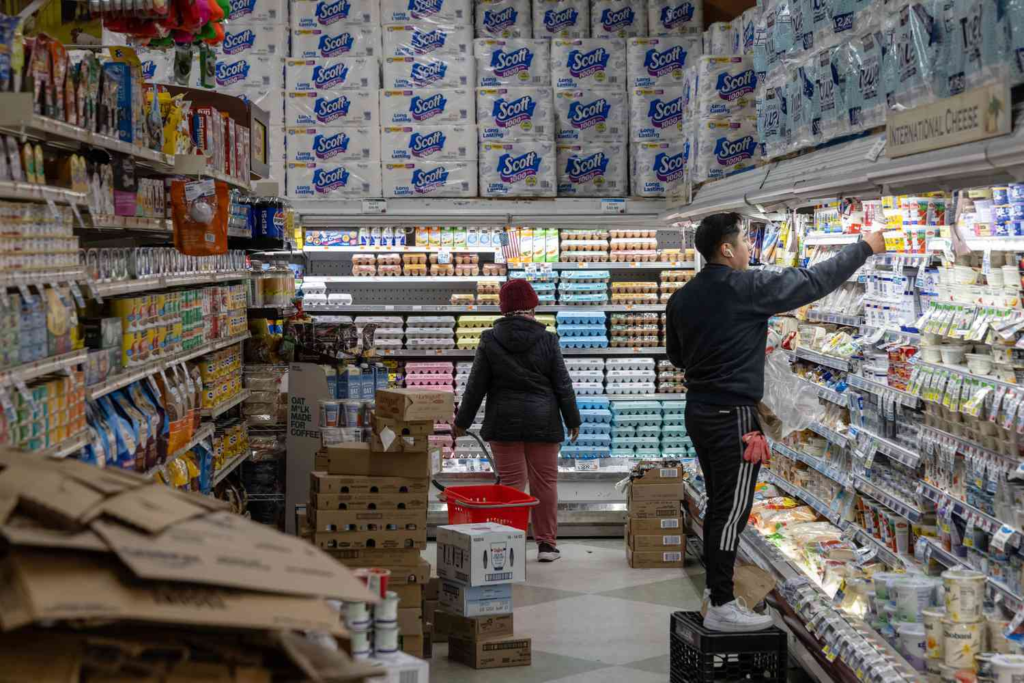
In response to the shortage, Kuwaiti authorities held an expanded tripartite meeting that included the Commerce Ministry, cooperative societies, and representatives from the poultry sector. Officials announced intensified market monitoring, temporary measures to ensure steady deliveries to supermarkets and cooperatives, and close coordination with the Union of Poultry Producers to prevent recurrence. Poultry sector representatives told authorities that production was expected to start returning to normal around December 10, and supplying companies will be given a grace period after that date to complete delivery procedures while subject to periodic monitoring.
The ministry highlighted stricter surveillance to stop price manipulation and hoarding. Authorities also warned suppliers that failure to meet fair-pricing obligations or attempts to exploit the shortage could trigger penalties or licensing checks. The message was clear: market disruption will be watched and acted upon.
How producers explain the shortage
Poultry companies and farm unions explained that the temporary halt in production is part of a renewal cycle—farms cull older, less productive hens and bring in new chicks that require time to mature. This normal farming practice temporarily reduces output. Producers requested a short grace period to complete the replacement cycle and stressed that production would be back to acceptable levels within weeks. They also highlighted the squeeze of rising feed and operating costs that make maintaining steady production more challenging for local farms.
Impact on people’s daily life and businesses
For ordinary shoppers, the shortage means searching for eggs, paying more where they are available, or switching to substitutes for breakfast and baking. Restaurants, bakeries and cafes face tighter inventories and may adjust menus or portion sizes. Cooperative societies and larger chains, which usually smooth supply by purchasing in bulk, also raised concerns about suppliers raising prices during tight supply windows. The Chairman of the Union of Cooperative Societies had earlier urged cooperatives to cut ties with suppliers who inflated prices during shortages, reflecting wider frustration among consumers and distribution channels.
Measures for consumers: what you can do
- Shop early and avoid panic buying; cooperative societies and major chains are coordinating to prioritize steady distribution.
- Consider temporary substitutes (dairy, legumes, or egg replacers) for recipes where feasible.
- Report suspected price gouging to the Commerce Ministry or cooperative bodies; authorities have asked the public to report abuses.
These small steps can help reduce artificial demand spikes that make shortages worse.
What retailers and cooperatives are doing
Many cooperative societies moved to expand monitoring and diversify suppliers where possible. Some are looking at emergency direct imports if needed and allowed under regulations. Officials said that cooperative stores would coordinate with the ministry to secure supplies and that any company found exploiting the situation would be investigated. The ministry has also discussed temporary easing of certain procurement rules to speed up legal imports while maintaining food-safety standards.
The export debate: to ban or not to ban
Facing repeated seasonal shortages in past years, consumer groups and cooperative leaders have called for an export freeze on eggs when local markets are tight. Advocates argue that a temporary ban would prioritise domestic needs and prevent profiteering. Producers and importers counter that exports are part of normal business operations and that sudden export bans can disrupt contracts and regional trade relationships. Kuwaiti authorities are balancing these views while considering short-term fixes that won’t create long-term market distortions.
Longer-term fixes officials should consider
Officials and industry experts point to a few longer-term strategies that could reduce the annual shocks:
- Strengthen domestic production resilience through support programs for local farms—subsidies for feed, better veterinary services, and risk-sharing mechanisms during culling cycles.
- Build strategic reserves or emergency import plans to cover short seasonal gaps without market disruption.
- Improve supply-chain transparency so that cooperative societies and the ministry can forecast shortages earlier and act preemptively.
- Encourage diversification of suppliers, including regional trade agreements that allow emergency shipments when local output dips.
These measures would not eliminate all shortages, but they would reduce the frequency and severity of annual supply gaps.
Voices from the market: small businesses and families
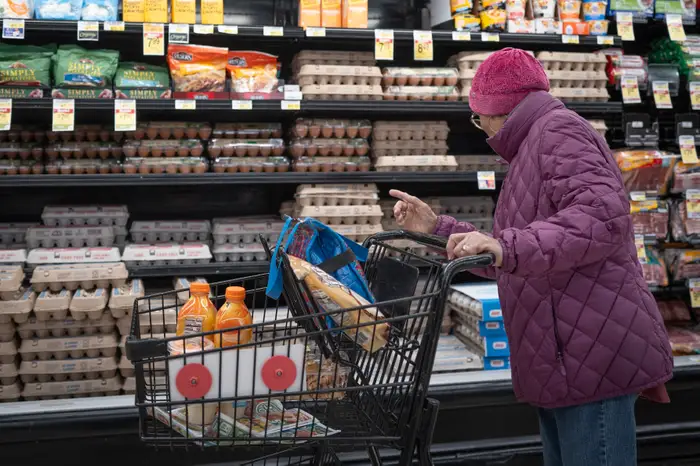
A bakery owner interviewed in Kuwait City said the shortage had already forced small changes: baking schedules were adjusted and some egg-heavy items were temporarily reduced. A family shopper described visiting multiple stores and paying noticeably higher prices for the last available trays. For many households the inconvenience is more than a cost issue — it is the extra time and uncertainty that affects routine life. Those human costs are what authorities say they want to avoid by acting quickly. (Local media coverage from the past few days captured similar firsthand accounts.)
Why this matters beyond Kuwait
Egg shortages, while locally rooted, can reflect global trends in agricultural production and food security. When countries face even short-term supply disruptions, the effects ripple into prices, trade flows, and household budgets. For Kuwait where some food items are supplemented by imports — maintaining clear policies that protect consumers without breaking trade relationships is a delicate balance. The current moves to monitor markets and coordinate with producers aim to strike that balance.
What to watch next
- Whether production indeed resumes and stabilizes by the mid-December timeframe producers forecast.
- Any formal measures from the Commerce Ministry regarding import facilitation, price controls, or export restrictions.
- Reporting by cooperative societies on supply improvements or continued shortages at the store level.
Closing: short disruption, or wake-up call?
Kuwait’s latest egg shortage is a short-term headache with a familiar pattern: seasonal farm cycles, cost pressures, and occasional supply-chain bottlenecks. The positive note is a swift official response aimed at stabilizing markets and protecting consumers. How quickly supply returns and whether longer-term reforms follow will determine whether this episode is just another temporary disruption or a wake-up call to strengthen food resilience for the future. For now, shoppers, cooperatives and authorities are watching the shelves closely and working to make sure breakfast tables are not left empty for long.
Do Follow Gulf Magazine on Instagram
Read More:- Late Afsha Penalty Denies Kuwait Famous Victory in Doha 2025

