

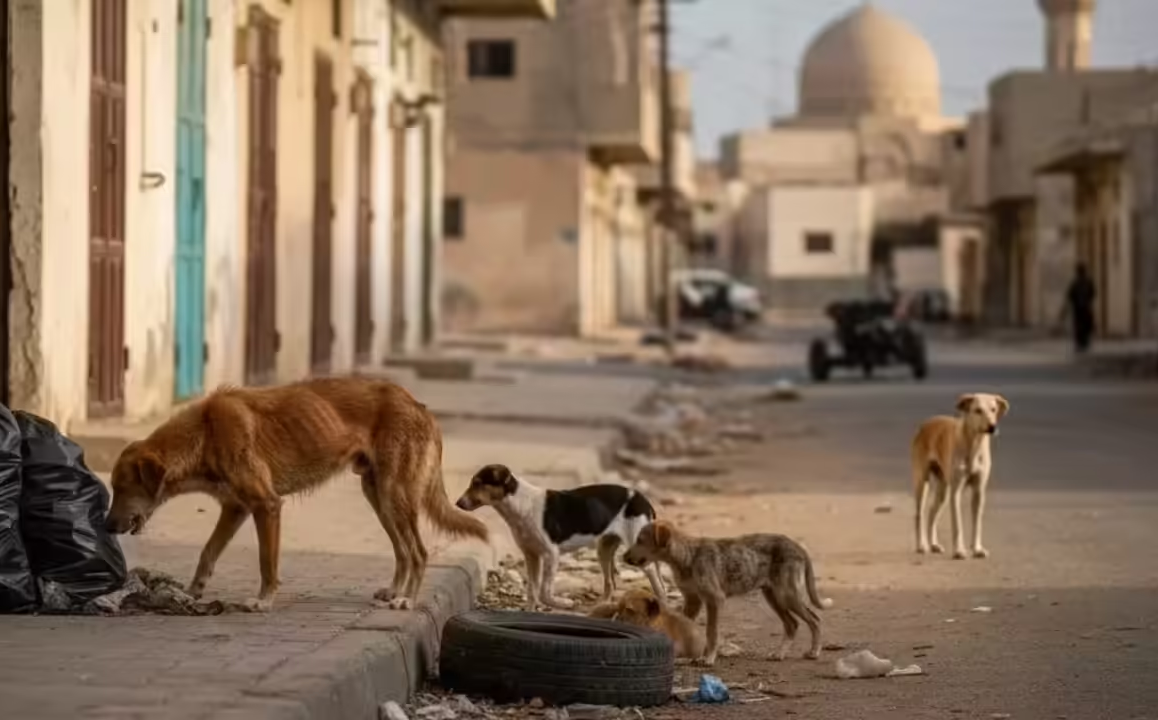
Kuwait has announced a nationwide ban on the commercial import of dogs and cats as part of a fresh push to curb a growing stray-animal problem and to protect public safety and animal welfare. The Public Authority for Agriculture Affairs and Fish Resources (PAAAFR) confirmed the measure and said it will be paired with stricter import rules, an integrated shelter plan and more controls on ownership.
Kuwait is a country that loves pets but the recent surge in abandoned and roaming dogs and cats has pushed officials to act. Streets, vacant lots and residential neighbourhoods have in recent months reported growing sightings of stray animals, raising concerns about public health, traffic safety and the animals’ own welfare in extreme heat. The government’s new approach aims to reduce the flow of commercial pet trade that authorities link to uncontrolled breeding and abandonment.
Why the ban now?
Officials say the ban addresses a practical chain of problems: commercial import increases the number of animals entering the market, some businesses sell pets without adequate follow-up, and animals are later abandoned or bred irresponsibly feeding the stray population. PAAAFR has pointed to the need for tighter controls to break that cycle and limit future arrivals for trade.
In addition to stopping large-scale pet shipments for sale, the authority is moving to tighten import rules for individuals. Early reports indicate citizens may still be allowed to import a limited number of animals under strict procedures for example, one dog per year with required paperwork and health checks but bulk commercial trade will no longer be permitted. These changes are meant to balance personal ownership rights with the public interest.
What the policy includes

The core elements publicised so far are:
- A ban on the commercial import and sale of dogs and cats.
- Tighter import procedures for non-commercial owners, including limits and mandatory documentation.
- Plans to establish an integrated shelter and care facility to manage and rehabilitate stray animals. PAAAFR has discussed creating a facility of roughly 10,000 square metres to centralise medical care, spay/neuter programmes and rehoming efforts.
These steps are being framed by authorities as part of a broader “stray management” strategy that includes vaccination, sterilisation and public awareness campaigns aimed at reducing abandonment.
The human side: pet owners, breeders and rescuers
For pet owners and small breeders the ban raises immediate worries: registered breeders, pet shops and services supporting the trade will face disruption, and people who had planned to import pedigreed animals now face new hurdles. Authorities stress the ban targets commercial trade, not responsible pet ownership, but the practical effect will be a shift in how pets enter the country.
Animal-welfare groups and rescuers who have long dealt with the daily reality of injured, sick and abandoned strays have given a mixed response. Many welcome tougher rules and new shelter capacity but stress that bans alone won’t fix a problem that requires sustained funding, widespread spay/neuter campaigns and community cooperation. Volunteers report that high temperatures and lack of shelter already make survival difficult for street animals, and they want humane, long-term solutions.
Shelter plans and veterinary action
PAAAFR’s plan for an integrated shelter is aimed at centralising response work: capturing and treating injured animals, vaccinating against rabies and other diseases, undertaking mass sterilisation drives, and preparing healthy animals for adoption when possible. The proposed site size and services would be a significant step up from the ad-hoc shelters and volunteer clinics that currently manage rescues. Authorities say the facility will also provide a legal framework for humane handling and decrease the number of animals left to roam.
Experts emphasise that sterilisation and vaccination must be scaled up to have measurable impact. Successful models from other countries combine bans or import limits with subsidised spay/neuter programmes, public education (including responsible ownership and microchipping), and partnerships with NGOs to manage rehoming. If Kuwait’s new shelter can be paired with these measures, the results are likely to be more durable.
Public safety, health and environment
The government frames the ban as protecting public safety: stray animals can cause traffic accidents, spread disease when unvaccinated, and create fear for residents especially children and the elderly. Equally, uncontrolled populations of unowned animals suffer from malnutrition, heat stroke and injuries. Officials argue that managing imports reduces one source of the problem and helps the state concentrate resources on care and control.
Will the ban work?
Bans are rarely a silver bullet. Success depends on enforcement, complementary measures and public cooperation. Key questions include:
- Will the ban be enforced consistently at ports and borders?
- Will funding be sustained for the proposed shelter and for mass sterilisation campaigns?
- Will authorities invest in education to discourage abandonment and promote responsible ownership?
Animal welfare advocates argue that enforcement without investment in humane services can push the issue underground for example, by encouraging illegal smuggling or secret breeding. Transparent rules, accessible veterinary care and community programs are essential to avoid unintended consequences.
Voices from the ground

Rescue volunteers describe heartbreaking scenes: animals suffering from heat and injuries, and volunteers stretched thin. Many volunteers say that while import restrictions might reduce future pressure, the immediate crisis requires mobile clinics, community reporting hotlines, and more shelters to handle rescued animals humanely. Small adoption drives, microchipping campaigns and penalties for abandonment are among the grassroots suggestions.
Business owners in the pet supply chain are calling for clarity and transition support. They ask for a grace period, clear licensing rules for existing breeders and a plan to retrain or repurpose businesses toward services that support animal welfare (like grooming, vet clinics and adoption events). Officials have indicated they will release detailed implementing regulations soon.
What pet lovers can do now
If you live in Kuwait or care about animals there, practical steps you can take include:
- Adopt from local rescues instead of buying.
- Support or volunteer with local spay/neuter drives.
- Report injured or ill strays to official hotlines or trusted rescue groups.
- Microchip and register your pets; follow vaccination and sterilisation recommendations.
- Help educate neighbours about responsible pet ownership and the dangers of abandonment.
Small community actions add up and make shelter and rehabilitation programmes more effective.
The longer view
Kuwait’s ban on commercial pet imports is an important policy step that acknowledges the scale of the stray animal issue. But the ban will only deliver lasting change if it is matched by humane enforcement, investment in veterinary and shelter infrastructure, and a long-term plan to change how pets are bought, bred and cared for. With careful policy design, the country can reduce stray numbers while improving animal welfare and public safety turning a crisis into an opportunity for better care and community stewardship.
Do Follow Gulf Magazine on Instagram
Read More:- Late Afsha Penalty Denies Kuwait Famous Victory in Doha 2025

