

In a deal that stunned the gaming world and global markets, Electronic Arts (EA) the maker of Madden, Battlefield and The Sims has agreed to be acquired in an all-cash transaction valued at about $55 billion. Under the terms reported this week, Saudi Arabia’s Public Investment Fund (PIF) would come to own roughly 93.4% of EA after the buyout, while private equity partner Silver Lake and Affinity Partners (run by Jared Kushner) would hold much smaller stakes.
This is more than a standard corporate takeover. It is one of the largest leveraged buyouts in history, pushing EA off public stock markets and into private ownership. Shareholders were offered $210 per share, a meaningful premium over EA’s trading levels before the announcement. The agreement was first disclosed in a regulatory filing and in a formal announcement at the end of September.
Why this deal matters — not just for EA
The headline numbers are eye-catching: roughly $55 billion in enterprise value, about $36 billion in equity commitments (including PIF’s rollover of an existing stake) and $20 billion in debt financing arranged by banks. The structure shows the scale of the financial commitment and the leverage that will support the transaction. For EA, going private removes the quarterly market pressures that often drive short-term decisions, giving leadership room to refocus long-term product development, franchises, and new platforms.
For the global gaming industry, the takeover signals two big shifts. First, it underlines how sovereign funds are placing bigger bets on entertainment and tech areas once dominated by private equity and venture capital. Second, the move raises strategic and political questions about foreign ownership of culturally influential media assets, especially when a single investor gains controlling power. Regulators in the U.S. and other markets are already expected to closely review the deal.
The players: PIF, Silver Lake, Affinity — short profiles

PIF (Public Investment Fund) is Saudi Arabia’s sovereign wealth vehicle and has been aggressively expanding into global tech, entertainment, and gaming. It already rolled a nearly 10% stake in EA into the transaction, signaling long-standing interest in the space and a wish to deepen its footprint in interactive entertainment.
Silver Lake is a U.S.-based technology-focused private equity firm with a track record of large tech deals. It brings operational and deal-making experience to the buyout consortium. Affinity Partners, led by Jared Kushner, is a more recent entrant to big-ticket private investing but has already shown appetite for large strategic bets. Together, the three form a consortium that combines capital, industry expertise, and political reach.
A human angle: the people behind the headlines
Beyond balance sheets and percentages, this story is also about people investors, managers, and workers whose daily lives are tied to EA’s success. Andrew Wilson, EA’s CEO, has led the company through multiple waves of growth, high-profile game launches, and painful restructurings. Publicly, he has supported the deal and will remain in his role as the company moves to private ownership. For him and the EA leadership team, the buyout offers an opportunity to reset strategy away from short-term market scrutiny.
PIF’s leadership has a clear vision: diversify Saudi Arabia’s economy toward entertainment, sports, and creative industries, and bring global talent and IP into the kingdom’s strategic plans. That vision is personal for the leaders who champion the fund’s transformation a mix of ambition and pressure to deliver results back home as the country pursues large projects and reforms. For employees at EA, the change of ownership will be a mix of uncertainty and possibility questions about studio autonomy, investment in new franchises, and long-term culture will be top of mind.
What could change at EA — opportunities and risks
Taken private, EA will escape public quarterly scrutiny. That could allow longer development cycles, riskier innovation, and investments in new platforms like cloud gaming or cross-platform services. It might also mean more patient funding for ambitious but unproven ideas, which many developers welcome after years of tight cost-control and layoffs in the industry. Analysts and employees see potential for renewed focus on quality over immediate monetization.
But there are real risks. Concentration of ownership in a single sovereign fund raises governance questions and invites political scrutiny. Some critics worry about editorial independence and the cultural influence of games if strategic decisions are perceived as aligned with a foreign government’s interests. In the U.S., national security reviews and regulator probes are likely especially for companies whose products touch broad audiences, sports partnerships, and data flows. How these questions are answered will shape the public narrative and the regulatory timetable.
Industry reaction: mixed optimism and caution
Reaction across gaming studios, investors, and commentators has been mixed. Some industry professionals are optimistic: an infusion of patient capital can enable creativity and fix long-standing studio problems. Others are cautious, highlighting the need for strong corporate governance, protected creative independence, and clear commitments on investment in studios worldwide. For many long-time EA fans, the deal taps into a familiar tension: hope for better games versus skepticism about corporate motives.
What regulators will watch closely
Because of the scale of the transaction and foreign involvement, regulators — including U.S. national security agencies and competition authorities — will pay close attention. The review will likely assess data governance, relationships with sports leagues (given EA’s ties to NFL and other partners), and any national-security-sensitive technology. Regulatory approval timelines could determine how quickly the deal closes and whether conditions are attached. The consortium expects the transaction to close following shareholder and regulatory approvals, with some reporting an expected target around fiscal Q1 2027 though those timelines can shift.
The broader context: why sovereign funds are chasing gaming
Sovereign funds like PIF are looking for long-term growth engines that diversify national income beyond hydrocarbons. Gaming is attractive: it is a growing, resilient entertainment sector with recurring revenue models, global audiences, and valuable intellectual property. For PIF, owning a major developer and publisher accelerates its strategy to build a creative economy at home and gain exposure to high-margin digital services globally. The move also follows earlier PIF investments across entertainment sectors.
The human story — struggle, achievement, and a hopeful future
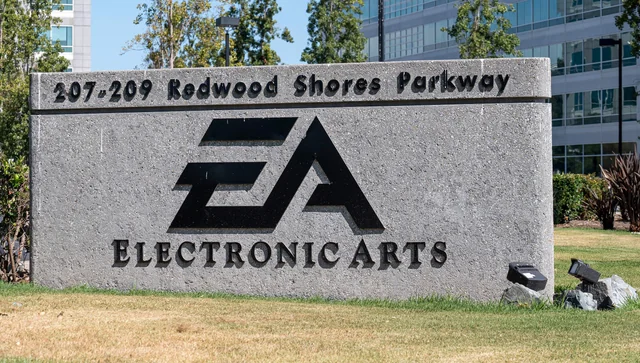
At its core, this acquisition is also a story of persistence and change. EA grew from small studios into a global publisher through risk-taking, studio mergers, and hits that became cultural touchstones. The company has had its share of setbacks — missed launch targets, management reshuffles, and criticism over monetization. Yet it persisted, refined franchises, and adapted to changing player expectations. That resilience mirrors the investor side too: PIF’s leadership has pushed a long-term transformation agenda that requires both bold moves and humility in execution.
Those human elements are what make this story inspiring for some: people and organizations facing pressure, making difficult choices, and betting on a different future. Whether the outcome is a renaissance for EA, a smooth transition to private ownership, or a complex regulatory slog, the narrative will be shaped by leaders and workers who balance ambition with craftsmanship.
What to watch next — key milestones and signs
- Regulatory approvals and any conditions imposed these will set the timetable for closing.
- Statements from EA leadership and studio heads about strategy and investment priorities.
- Reaction from sports and media partners who work closely with EA on franchises like Madden.
- Signals about staffing, studio autonomy, and greenlighting of new projects that show whether the firm prioritizes creative freedom.
Closing thoughts — an inflection point for gaming
The reported buyout of Electronic Arts by a Saudi-led consortium is a major inflection point for the industry. It raises big questions about who owns the cultural products that entertain hundreds of millions of people and how investment choices will shape creative output. At the same time, the human stories behind this corporate drama — from founders and developers to investors and regulators — show how ambition, struggle, and adaptability drive change.
If handled with transparent governance and a clear commitment to creative independence, the deal could give EA the freedom to invest in long-term visions for gaming. If not, it could become a case study in the challenges of concentrated ownership. Either way, the next year will be crucial: for the company, for regulators, and for the millions of players who care about the games EA makes.
Do Follow Gulf Magazine on Instagram
Read More:- Late Afsha Penalty Denies Kuwait Famous Victory in Doha 2025

