

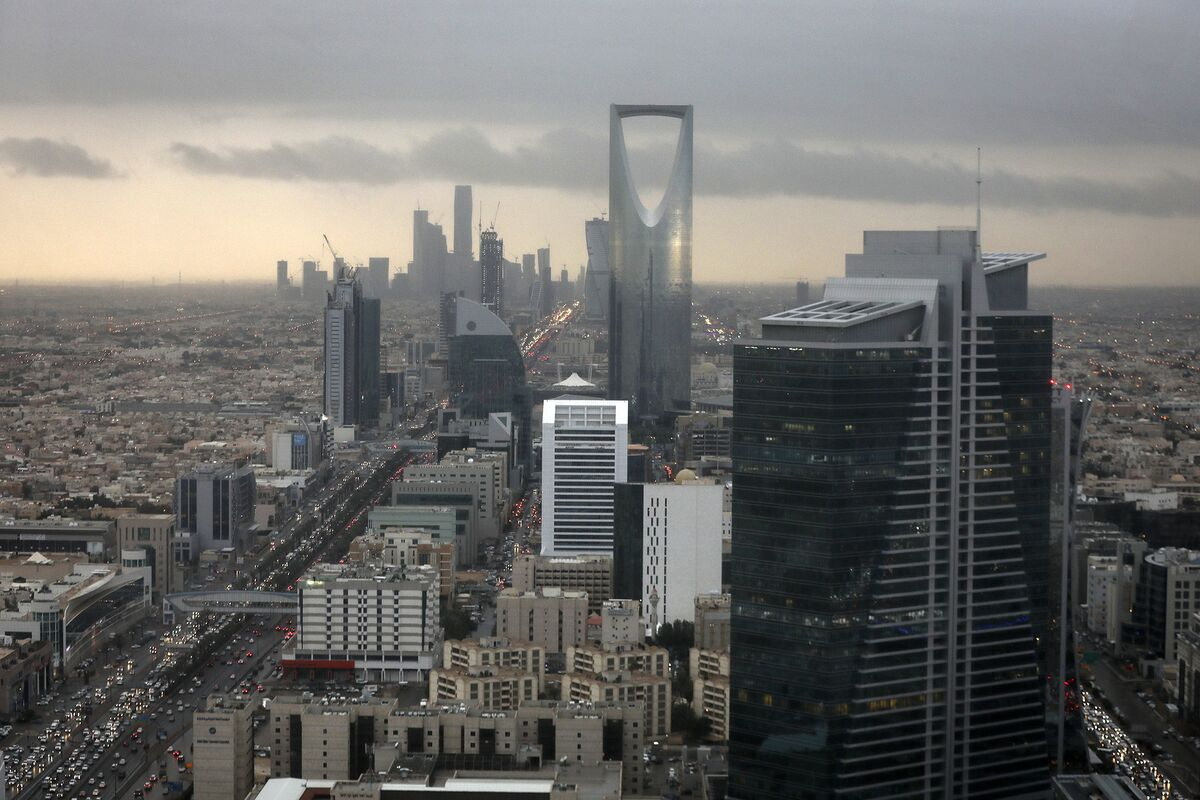
On December 1, 2025, officials from Public Investment Fund (PIF) of Saudi Arabia announced a bold new target: to raise PIF’s investments in Japan to roughly US $27 billion by the end of 2030.
That’s a dramatic increase from the roughly $11.5 billion the fund had committed to Japan between 2017 and 2024.
This plan signals a fresh chapter in Saudi–Japan economic relations one that reflects Arabia’s broader ambitions under Saudi Vision 2030 to diversify its economy beyond oil.
Why Japan, Why Now? Saudi’s Strategic Bet
For decades, Saudi Arabia and Japan have been important trading and energy partners Saudi oil fueled Japanese industry, while Japan supplied cars, electronics and machinery.
But the new direction of investment goes beyond trade. According to PIF’s governor, the world has changed: Saudi wants to shift its sovereign fund away from large‑scale real estate and giga‑projects, and instead focus on sectors like logistics, minerals, financial markets, technology and innovation, and tourism & entertainment.
Japan offers a stable, mature economy with strong financial markets, advanced technology, and a growing investor-friendly environment. For looking to build a diversified, investment‑heavy future Japan represents a safe, strategic anchor.
Moreover, recent moves hint at the kind of cooperation Saudi envisions: exchange‑traded funds (ETFs) linking Saudi and Japanese markets; partnerships with leading Japanese banks and institutions; and broader financial instruments that could deepen capital‑market cooperation between the two nations.
From $11.5 Billion to $27 Billion: PIF’s Journey
Between 2017 to 2024, PIF invested around $11.5 billion in Japan laying the foundation for what appears to be a major strategic pivot.
At a summit in Tokyo (the Future Investment Initiative Asia Priority Summit), the head of PIF emphasized that the new five-year plan (2026–2030) has already been approved.
Under this plan, the fund aims to ramp up its annual deployment of capital meaning that Saudi is not just placing one large bet, but gradually building a long-term, diversified exposure to Japan across sectors.
The ambition is high: PIF hopes investments in Japan will eventually contribute significantly not only to its own growth plans but also to strengthen bilateral ties that once made Japan one of Saudi’s top global partners.
What This Means for Saudi Arabia — and for Japan
Diversification beyond oil
For Saudi Arabia, this shift is part of a broader economic transformation under Vision 2030. The aim has long been to reduce dependency on oil revenues and cultivate new pillars of growth from technology and manufacturing to tourism and logistics.
By channeling significant capital into Japan rather than just domestic real estate or oil‑linked ventures Saudi is signaling a move toward global, diversified investments that can weather fluctuations in oil markets.
Deepening financial and economic ties
For Japan, Saudi’s inflows can bring liquidity, confidence, and increased investor interest. Besides traditional trade (oil, machinery, cars), this new wave could expand into sectors like finance, technology, critical minerals, and even cultural or entertainment collaborations.
Additionally, the launch of –linked financial instruments (for example ETFs) could encourage more Japanese investors or institutions to consider Saudi assets — deepening cross‑market connectivity.
Global supply‑chain integration & strategic cooperation
Saudi’s pivot to logistics, mineral exploitation, clean energy, and innovation — in partnership with Japanese firms — could lead to important collaborations. This might include supply‑chain cooperation, joint ventures in advanced manufacturing or clean energy, and even joint infrastructure projects.
Such moves can contribute to the broader globalization of both economies, while giving Saudi Arabia a stronger stake in Asia’s growth story.
The Human Story Behind the Numbers
What makes this shift compelling is not just the billions of dollars — but the transformation in vision and ambition.
Imagine a Saudi Arabia that is not defined only by oil rigs and desert — but by diversified global investments, global partnerships, and a role in shaping supply chains across continents. That’s precisely what PIF is trying to build.
The journey isn’t easy: transitioning from decades of oil‑dependence to becoming a diversified global investor demands long‑term thinking, risk management, and courage to embrace uncertainty. But with Japan as a partner — a stable, technologically advanced, and trusted economy — the path feels more navigable.
For young Saudis and people across the Arab world, this move sends a message: that re‑imagining one’s future is possible — that national wealth need not remain tied to a single resource, but can be invested, diversified, and shared globally.
For Japanese companies and investors, the message is also clear: opportunities await, especially for those ready to align with global diversification trends, sustainable development, and cross‑border cooperation.
What to Watch Next
- Which sectors will get the biggest share? PIF has mentioned logistics, minerals, clean energy, financial markets, and tourism/entertainment among its priorities. As investments flow, we’ll see which sectors take off first in Japan and how successful those bets are.
- Will Japanese firms invest back in Saudi? The idea isn’t one‑way: stronger financial ties, investment funds, and supply‑chain cooperation could pave the way for Japanese companies to channel capital into Saudi’s growth projects.
- Impact on global markets: A successful Saudi‑Japan collaboration could encourage other Gulf economies to look toward Asia — reshaping global trade, supply chains, and investment flows.
- Long‑term returns beyond profits: For Saudi society, Vision 2030 aims for job creation, diversification, and sustainable growth — key milestones will be how these investments translate into real, long‑term benefits.
Final Thought
What we’re witnessing is more than just a financial announcement. It’s a story of transformation, ambition, and vision. Saudi Arabia — once known mainly for its oil wealth — is now casting a wider net, investing in global markets, building partnerships, and redefining what its future could look like.
Japan, with its stable economy, advanced markets, and strategic value, is emerging as a key pillar in that journey.
For anyone watching the evolving economic landscape — investors, young professionals, students, dreamers — this move offers hope and inspiration. It shows that with careful planning, bold vision, and willingness to adapt, even decades‑old economies can re‑imagine their path forward.
In the coming years, as the investments flow, deals unfold, and partnerships form, we may well look back at this moment as the beginning of a new era not just for Saudi Arabia and Japan, but for global cooperation and shared prosperity.
Do Follow Gulf Magazine on Instagram
Read More:- Late Afsha Penalty Denies Kuwait Famous Victory in Doha 2025

