

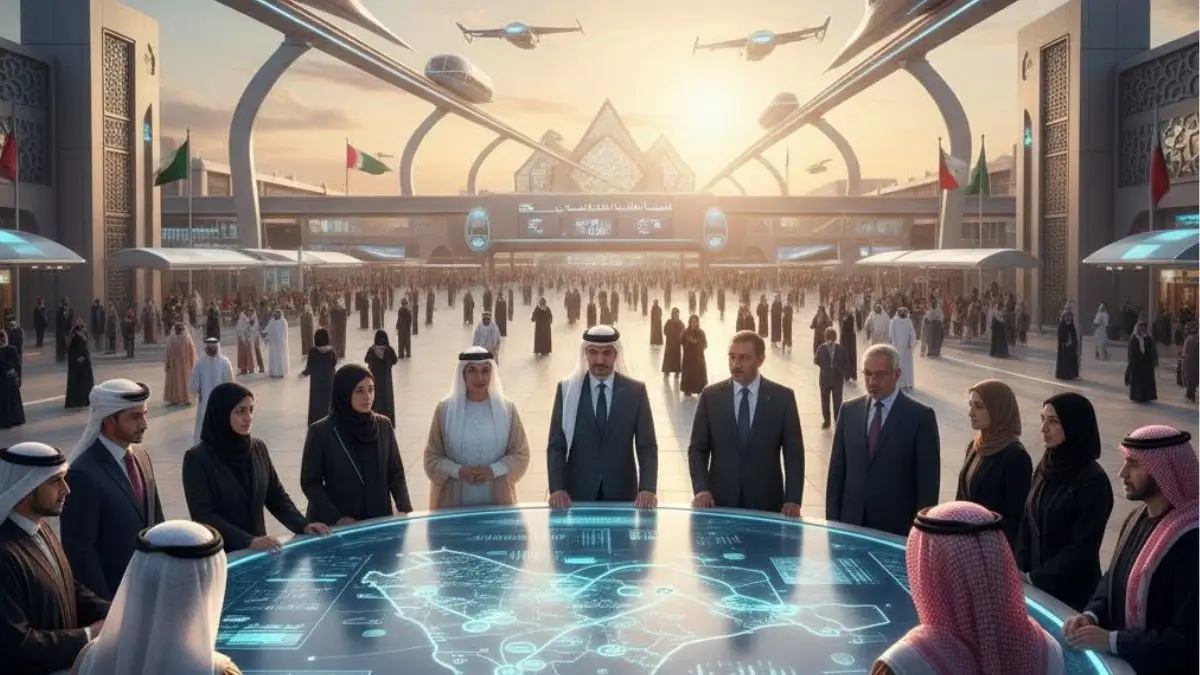
The Gulf region is on the edge of a major travel transformation — and Gulf Cooperation Council (GCC) member states are making travel easier than ever. Recently, the GCC approved a “one‑stop” travel system that promises to eliminate the need for arrival immigration, customs, and security checks when moving between member countries. With Saudi Arabia aboard this new plan — alongside Bahrain, United Arab Emirates (UAE), Qatar, Kuwait and Oman — many Gulf travellers can soon say goodbye to endless queues, multiple immigration desks, and repetitive paperwork. This is more than just convenience: it’s a milestone in regional integration, mobility, and tourism.
What Is the One‑Stop Travel System?
At its core, the one‑stop travel system enables travellers from GCC countries to complete all formalities immigration, customs, and security at a single checkpoint before departure. Once cleared at the origin airport, arriving passengers can simply disembark, collect their luggage, and exit like domestic travellers no repeated checks on arrival.
This approach echoes the philosophy behind the Schengen‑area travel model in Europe, where cross‑border movement among participating states is largely seamless.
Officials from the GCC made the formal announcement during the 42nd Interior Ministers’ meeting in Kuwait City. The plan aims to drastically reduce processing times at airports, improve passenger experience, and foster increased regional connectivity.
When Does This Begin — And Which Countries First?
The first pilot phase of the new system is scheduled to begin in December 2025, and will initially be limited to air travel between the UAE and Bahrain. These two countries have been selected as test routes to trial the one‑stop model.
If the pilot runs smoothly, the plan is to gradually roll out the system eventually covering all six GCC member states, including Saudi Arabia, Kuwait, Qatar, and Oman.
The expansion to include Saudi Arabia and the rest of the Gulf is seen as a key next step in turning this vision into reality.
Why This Matters — For Travellers, Business and Tourism
Seamless Travel, Less Hassle
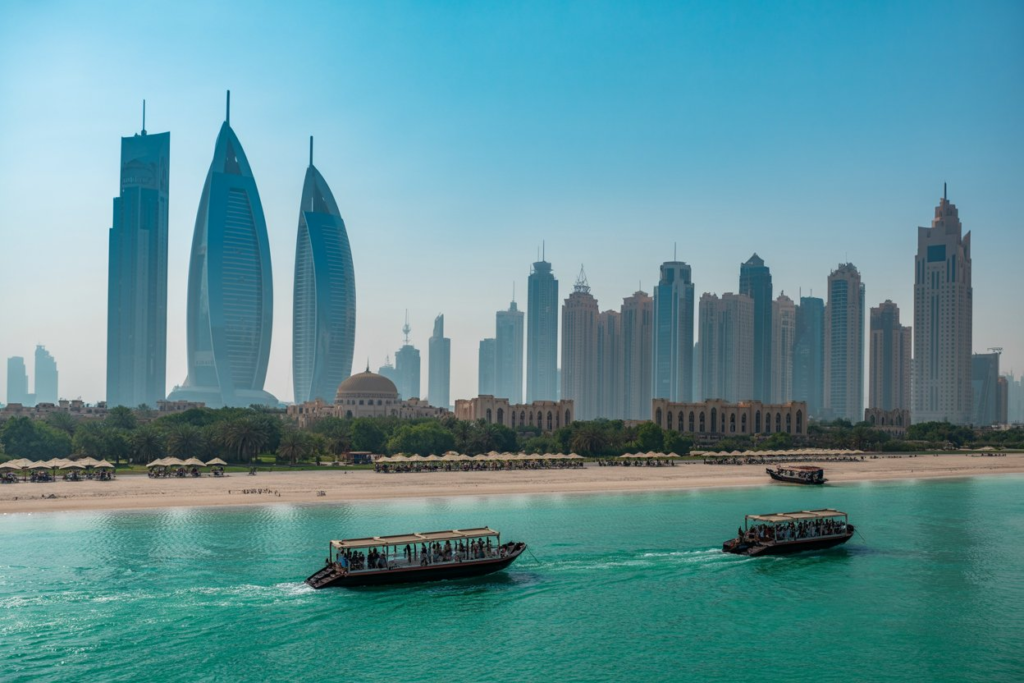
For Gulf citizens and residents, this system promises a smoother, faster, and more predictable travel experience. Instead of long lines at arrival immigration, clearance will be done once — saving time, stress, and uncertainty. This is especially valuable for frequent travellers, business visitors, and families moving between Gulf countries.
Boost to Regional Mobility
By treating flights between member states like domestic travel, the GCC is effectively shrinking distances within the region. This could encourage more people to travel for business, leisure, family visits, or short-term work stimulating movement across borders and strengthening economic and social ties.
Strong Push for Tourism and Economic Integration
Alongside the one‑stop system, the GCC is also pushing forward the GCC Grand Tourist Visa a unified tourist visa for all six countries. The unified visa will allow travellers to visit multiple Gulf states with a single permit, moving freely across borders with minimal paperwork.
This dual‑approach simplified border procedures unified visa signals a major pivot toward treating the Gulf region as a single, interconnected tourism and travel zone. Officials believe this could attract international tourists, increase intra‑Gulf travel, and substantially boost hospitality, aviation, and tourism industries.
Saudi Arabia’s Role: Why Joining Matters
Saudi Arabia’s inclusion is particularly significant. As one of the largest and most influential economies and populations in the Gulf, its participation means the one‑stop system and unified visa will have real breadth and impact.
Officials from Saudi Arabia including the tourism leadership have publicly backed the unified visa plan. The country’s tourism minister has confirmed the programme could be fully operational by 2026 or 2027.
For travellers into and out of Saudi Arabia, this could mean unprecedented ease: imagine flying into Riyadh, then heading straight to Dubai or Muscat without any additional immigration formalities. For Gulf travellers and expats moving between Gulf states, commuting, holidays, work — all become far more convenient.
Beyond convenience, this reflects a larger shift: Saudi Arabia is showing commitment to regional cooperation and mobility, embracing cross‑border integration as part of broader economic diversification and tourism ambitions.
Challenges Ahead — What’s Still to Be Figured Out
While the one‑stop system and unified visa bring promise, there are details yet to be finalized:
- The pilot is limited to UAE Bahrain for now. Whether other countries especially those with high travel volumes such as Saudi Arabia or Qatar will follow soon remains to be seen.
- Technical and operational integration: countries need to align immigration, customs, security, and data‑sharing systems. The success depends heavily on coordination between multiple authorities across borders.
- Digital infrastructure and unified databases: the plan reportedly includes a shared electronic platform to track travel‑related information. Its effectiveness, security, and privacy safeguards will influence trust and success of the system.
- Impact on non‑GCC citizens: while GCC citizens and residents are the primary beneficiaries, it’s unclear how and when third‑country nationals such as expatriates from India, Pakistan, or other countries — will be affected or included under these schemes.
What This Means for The People — Lifestyle, Opportunities, and Real Lives
Better Life for Gulf Expats and Cross‑Gulf Workers
Many people working in Gulf countries move periodically between states — for work assignments, family visits, or relocation. The new system means less hassle and more predictability for such travellers. For expatriates and frequent flyers, it could save days of paperwork and waiting.
Convenient Holidays, Vacation Spree Across Gulf
Imagine holidaying in the Gulf without worrying about multiple visas or immigration queues. Want to visit beaches in Oman, then shop in Dubai, and end with cultural experiences in Riyadh? Soon, that could be just one itinerary, one visa, one smooth trip.
Economic Growth, More Jobs
With easier travel, tourism and hospitality sectors in the Gulf are likely to expand. More tourists and intra‑Gulf travelers mean more demand for hotels, transportation, retail, and services — opening up job opportunities across countries.
Cultural Exchange & Stronger Regional Ties
Simplified mobility will encourage more interaction among Gulf citizens and residents — fostering social and cultural exchange. Over time, this could strengthen a shared sense of identity across the Gulf, bridging communities and encouraging deeper cooperation.
What Should Travelers Know — Quick Guide
- The pilot phase begins December 2025, between UAE and Bahrain. If you plan to travel between these two, expect simpler, faster airport procedures.
- For now, “one‑stop” applies mainly to Gulf nationals traveling within the GCC. Non‑GCC travellers should still check current entry and visa rules.
- Before travelling to or via the Gulf, keep an eye on official announcements — expansion beyond UAE and Bahrain will follow, but exact timelines remain uncertain.
- For those interested in visiting multiple Gulf countries, once the unified visa goes live, plan your multi‑city trip — one application, one visa, many destinations.
The Bigger Picture — Gulf’s Vision for the Future
The move toward a one‑stop travel system and a unified visa scheme marks a landmark shift in how the Gulf region conceptualises travel, borders, and regional identity. What once meant multiple immigration stops, endless paperwork, and varying border protocols may soon become a seamless, unified experience across nations.
For decades, Gulf countries have built immense infrastructure — from world‑class airports and airlines to luxury tourism, shopping hubs, and cultural attractions. But physical infrastructure alone is not enough. What the Gulf needed was a simpler, unified way to travel — and now, with this new initiative, they are taking a giant step in that direction.
This transformation also signals the Gulf’s ambition to become more than just isolated states. By harmonising travel protocols and visa rules, the region is quietly crafting a shared identity based on mobility, opportunity, and connectivity. For residents, travellers and tourists alike — it’s a new era where borders matter less, and experiences matter more.
As the pilot begins and the system expands, the Gulf may soon redefine what it means to travel across national boundaries turning the Gulf into one big, interconnected destination.
Do Follow Gulf Magazine on Instagram
Read More:- Late Afsha Penalty Denies Kuwait Famous Victory in Doha 2025

