

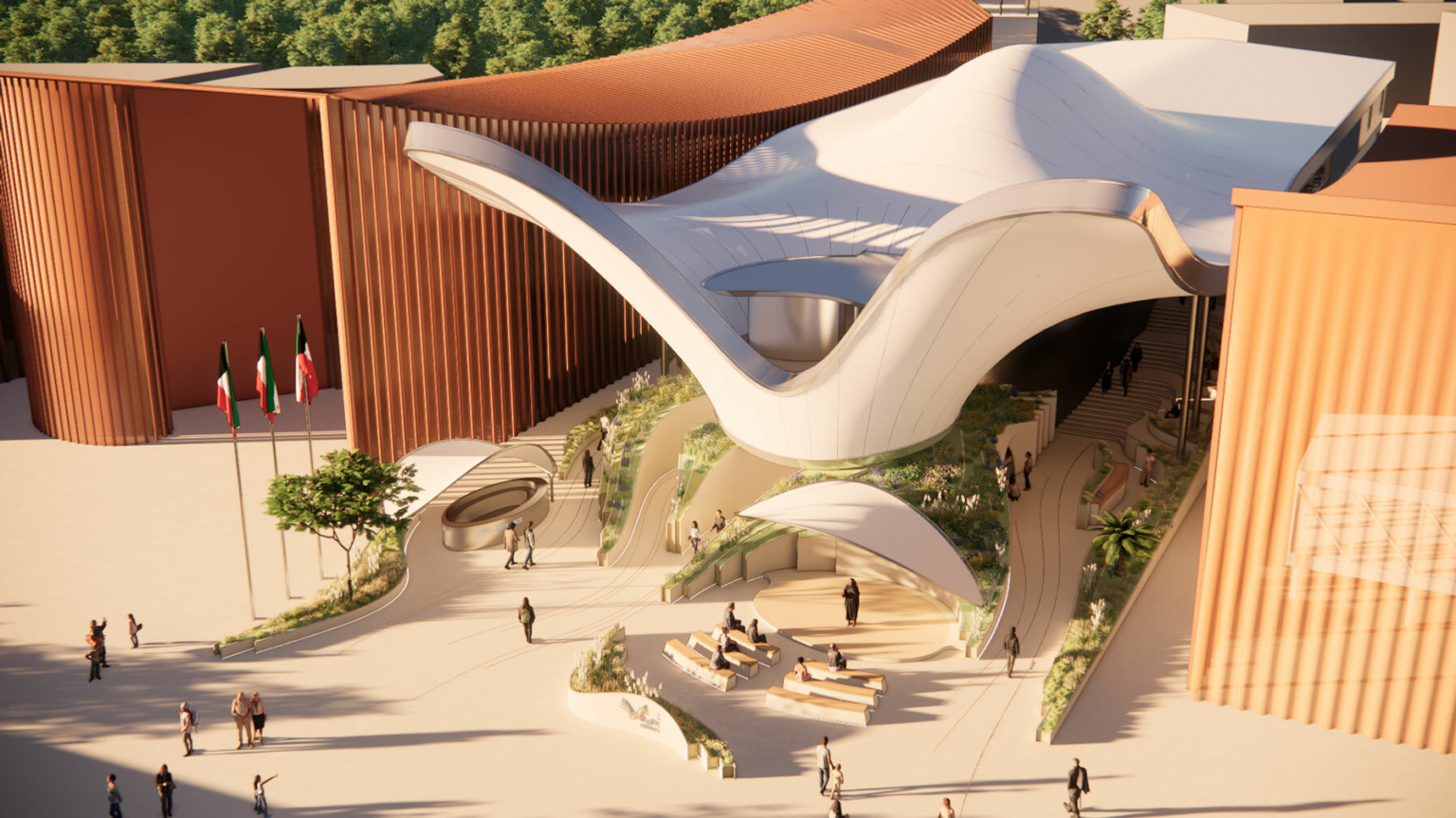
Kuwait has taken a significant step in bringing its rich cultural legacy to the global stage by showcasing twenty-five carefully selected artifacts at a prominent antiquities exhibition. Each artifact represents a chapter of the country’s history, capturing the essence of its ancient trade routes, maritime achievements, craftsmanship, and societal evolution. This exhibition is more than a visual display; it is a reminder of the deep roots that connect modern-day Kuwait to centuries-old civilizations that once flourished across its land and coastal regions.
The decision to present these treasures reflects Kuwait’s growing commitment to preserving its cultural identity, while sharing its story with a wider international audience. The exhibition also highlights the extensive archaeological efforts undertaken over the decades, offering visitors a deeply human connection to the people whose lives shaped today’s Kuwait.
A Curated Collection That Reflects Kuwait’s Past
The twenty-five artifacts were carefully curated to represent various time periods, from early settlements to the era when Kuwaiti lands became a significant hub of regional trade. Each piece was chosen for its historical value, craftsmanship, and ability to tell a compelling story about life in ancient Kuwait.
Among the showcased items were carved pottery, metal tools, ornaments, ancient coins, and fragments of trading vessels. These artifacts offer insight into the diverse influences that shaped Kuwait’s culture, including interactions with civilizations across Mesopotamia, the Arabian Peninsula, and beyond.
For many visitors, the exhibition felt like stepping into a timeline, where each display offered a new perspective on how the region evolved philosophically, technologically, and artistically.
The Symbolism Behind Kuwait’s Participation

Kuwait’s participation in this exhibition holds symbolic meaning. At a time when global attention is shifting toward cultural preservation, Kuwait’s contribution reinforces its role as a guardian of historical memory in the Gulf region. By sharing its artifacts internationally, the nation sends a message about the importance of understanding one’s roots to build a future grounded in identity and pride.
For officials and cultural experts involved in the project, the exhibition was a chance to demonstrate Kuwait’s efforts to safeguard its heritage through excavation missions, museum expansions, research partnerships, and restoration projects. In recent years, Kuwait has taken bold steps to digitize archaeological findings, restore ancient sites, and create stronger educational programs to engage younger generations.
Stories Hidden Within the Treasures
Pottery That Reflects Early Settlement Life
Several ancient pottery pieces offered glimpses into early domestic life in Kuwait. Crafted with intricate carvings and subtle geometric patterns, these items provided evidence of early artistic expression and everyday utility. Their well-preserved condition allowed visitors to appreciate the skill and creativity of the craftsmen who shaped them centuries ago.
Metal Tools and Weapons That Highlight Technological Progress
The exhibition also displayed metal tools and weapons that pointed to the technological advancements of early Kuwaiti communities. Items such as spearheads, chisels, and farming tools revealed the sophistication of local industries, as well as the resourcefulness of the inhabitants who adapted their environment to sustain their livelihoods.
These findings are a reminder that technological evolution is not new; it has always been a driving force behind societal progress, even in ancient civilizations.
Jewelry and Ornaments That Tell Personal Stories
Perhaps the most captivating elements were the delicate jewelry pieces made of beads, shells, stones, and metals. These ornaments carried emotional value because they represented personal stories—traditions of beauty, family bonds, and social customs. They reflected the role of craftsmanship and design in daily life and ceremonies.
They also demonstrated the influence of long-distance trade, with some materials traced back to distant regions, showing how Kuwait’s ancestors were connected to broader cultural networks.
Coins That Reveal Trade and Prosperity
The collection of ancient coins stood out as a testament to Kuwait’s historical significance in maritime and commercial exchanges. These coins, bearing unique inscriptions and symbols, offered evidence of flourishing trade routes that connected Kuwait with neighboring kingdoms and empires.
The presence of imported coinage highlights Kuwait’s strategic location on major trade networks and its role as a meeting point for merchants, travelers, and explorers.
The Human Touch Behind Archaeological Discoveries
The artifacts displayed at the exhibition are not merely objects; they are the result of decades of archaeological research, fieldwork, and emotional dedication. Behind each find is a story of long days spent in the desert, meticulous documentation efforts, and the excitement of uncovering something that has remained hidden for centuries.
Kuwaiti archaeologists, along with international partners, have invested countless hours in preserving these treasures. Their work reflects not just scientific curiosity but a genuine commitment to telling the story of Kuwait through the voices of the past.
This human touch is what brings life to the exhibition. Visitors had the chance to connect with the passion that drives preservation efforts, making the experience more meaningful and emotionally resonant.
A Cultural Bridge to the World
By participating in this global exhibition, Kuwait positioned itself as a cultural ambassador. The artifacts act as bridges, linking Kuwait with nations around the world through shared appreciation for history, knowledge, and artistic expression.
The exhibition fostered dialogue between historians, researchers, and art enthusiasts. It allowed visitors to learn about Kuwait beyond modern headlines and economic achievements, instead focusing on its ancient identity and contributions to regional civilization.
Such cultural exchanges strengthen international relationships and promote mutual respect among societies with diverse backgrounds.
Inspiring Future Generations
One of the most important outcomes of Kuwait’s participation is the impact it may have on future generations. Young Kuwaitis who learn about their past are more likely to appreciate their heritage and take pride in their identity. Exhibitions like these encourage students to explore fields such as archaeology, history, museum studies, and cultural management.
This inspiration is crucial for ensuring the continuation of preservation efforts. As older generations pass the torch, new voices will emerge to protect, research, and share Kuwait’s cultural treasures with the world.
The Emotional Response of Visitors

Visitors to the exhibition described feeling a deep connection to the artifacts. Many expressed that the pieces carried a certain warmth—a reminder of the humanity that existed centuries before modern cities and skylines emerged. Some felt a sense of nostalgia, even if they were not from Kuwait, as the artifacts evoked universal themes of home, work, beauty, and community.
This emotional response highlights the power of cultural exhibitions. They transcend nationality and language, reaching people through shared human experiences. By showcasing its artifacts, Kuwait succeeded in touching hearts and capturing imaginations.
Preserving the Past for the Future
Advanced Restoration and Documentation Efforts
Kuwait has invested in advanced restoration methods to ensure the longevity of its archaeological discoveries. Specialists continue to clean, repair, and stabilize fragile pieces, making them suitable for exhibition and long-term storage. This delicate process is both scientific and artistic, requiring precision and respect for the original craftsmanship.
Digitization for Global Accessibility
Digital preservation is becoming a key strategy for Kuwait’s cultural sector. By photographing, scanning, and cataloguing artifacts using updated technologies, Kuwait ensures that its heritage is accessible to researchers and the public for generations to come.
Digitization also allows people around the world to view the artifacts, expanding their reach beyond physical exhibition spaces.
Museums as Cultural Learning Centers
Museums in Kuwait have evolved from traditional display spaces into active learning centers. They host workshops, guided tours, educational programs, and cultural discussions that deepen public understanding of history. These efforts create a lasting appreciation for heritage and encourage community engagement.
A Celebration of Identity and Continuity
The antiquities exhibition gave Kuwait the opportunity to celebrate its identity in a meaningful and authentic way. The nation’s past is not defined by a single era or event, but by a continuous journey through time—shaped by its people, environment, and interactions with the world.
The artifacts showcased in the exhibition symbolize resilience, creativity, and a shared sense of pride. They remind Kuwaitis of their origins while inspiring them to move forward with confidence, knowing that their cultural roots are strong and enduring.
Conclusion: A Powerful Step Toward Global Cultural Recognition
Kuwait’s decision to showcase twenty-five remarkable artifacts at an international antiquities exhibition is a powerful statement of cultural confidence. It reflects a desire to share the nation’s story with the world, promote understanding of its history, and inspire future generations to protect and celebrate their heritage.
The exhibition not only highlighted the beauty of ancient craftsmanship but also demonstrated the emotional and cultural importance of preserving the past. Through these artifacts, Kuwait has invited the world to appreciate its journey—a journey marked by trade, tradition, creativity, and enduring human spirit.
Do Follow Gulf Magazine on Instagram
Read More:- Kuwait Strikes Gold With Three Massive Offshore Oil Discoveries 2025

