


The job market in 2025–26 is entering a transformative phase defined by technology, human-centred work cultures and expanding global mobility. After years of economic shifts, businesses across the world are turning towards renewed hiring confidence, stronger talent demand and more inclusive workplaces. This period is expected to open a wide range of opportunities for both experienced professionals and fresh entrants. More importantly, the global workforce is evolving into one that values creativity, adaptability and lifelong learning over routine tasks.
As companies continue digital acceleration, the focus is moving from simply filling roles to building future-ready teams. This human-centred shift is reshaping employment trends across industries and redefining how people work, where they work and why they work.
The Rise of AI-Augmented Roles
Artificial Intelligence is no longer viewed as a threat to jobs but as a partner enhancing human capabilities. In 2025–26, organisations are increasing their investments in AI-powered tools that require skilled professionals to manage, supervise and collaborate with these systems. Rather than replacing workers, AI is creating a new category of jobs focused on problem-solving, decision-making and creative innovation.
Roles such as AI trainers, prompt engineers, automation analysts and AI ethics specialists are becoming mainstream. Even traditional sectors like healthcare, manufacturing and logistics now require AI-competent employees who can interpret data, optimise operations and improve outcomes. This shift highlights the importance of upskilling and adopting a growth mindset to remain competitive.
Skill-Based Hiring Becoming the New Standard
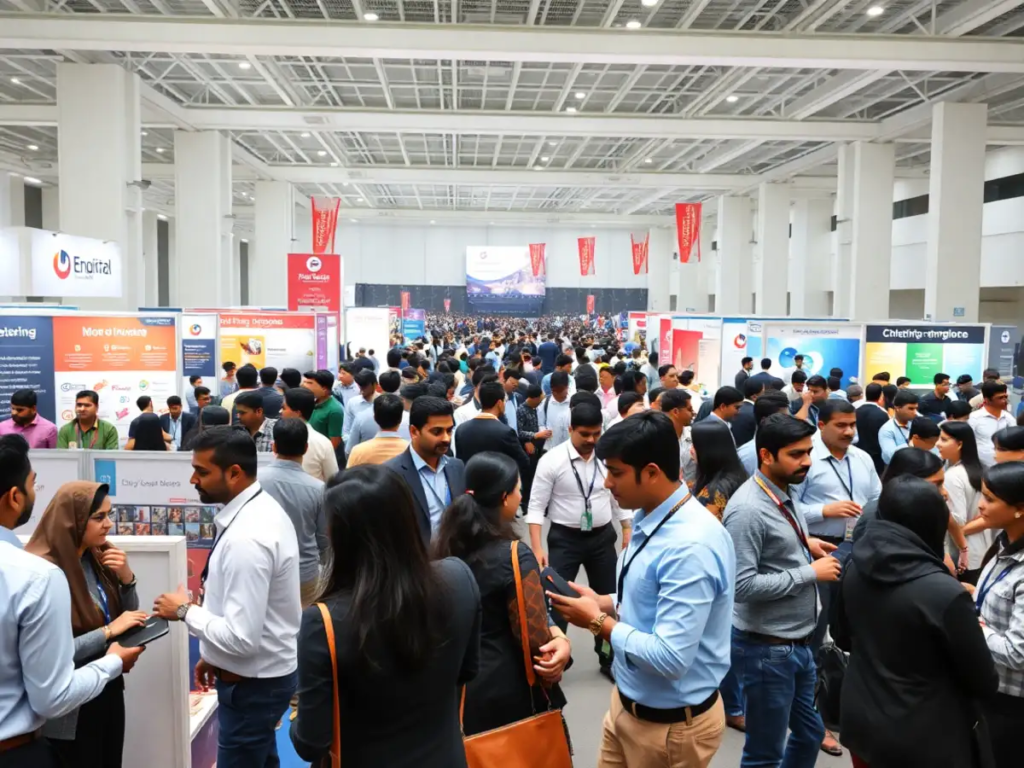
A major trend shaping the job market is the rise of skill-based hiring. Companies are moving away from strict degree requirements and instead evaluating candidates based on real-world skills, portfolios and demonstrable competencies. This approach opens doors for a broader talent pool, including self-taught professionals and individuals who acquired expertise through online learning.
In 2025–26, employers value adaptability, critical thinking, communication, digital literacy and project management. Soft skills are gaining equal importance as technical skills because workplaces increasingly rely on collaboration, emotional intelligence and leadership in fast-moving environments. The shift towards skill-based hiring is expected to democratise employment and create fairer access to opportunities globally.
Expanding Remote and Hybrid Work Models
Remote and hybrid work styles remain a dominant employment trend. What started as a temporary solution has now become a long-term norm for many industries. Companies have realised that flexible work arrangements boost productivity, reduce business costs and improve employee satisfaction.
In 2025–26, organisations are strengthening remote work infrastructure, expanding digital co-working tools and implementing global talent acquisition strategies. Employees now have the freedom to work from different cities and countries, allowing individuals to pursue careers without relocating. This trend has also led to a surge in digital nomad visas, international freelancing and borderless hiring.
However, the hybrid model is becoming the preferred choice for many employers as it balances flexibility with collaboration. Workspaces are being redesigned to support creativity, team bonding and mental wellbeing.
Human-Centric Work Culture Takes Centre Stage
One of the strongest employment trends for 2025–26 is the shift towards a more human-centric work culture. Companies are focusing on improving workplace wellbeing, mental health support, diversity, equity and inclusion. Employers understand that a motivated, healthy and supported workforce delivers higher productivity and innovation.
Employees today seek workplaces that value work-life balance, flexibility, fairness and psychological safety. As a result, organisations are implementing shorter workweeks, wellness programs, inclusive leadership strategies and transparent communication channels. The focus is on creating environments where people feel respected, heard and empowered to succeed.
This cultural transformation is also influencing retention trends. Talented employees prefer employers who prioritise wellbeing over compensation alone. The humanisation of work is expected to define the decade ahead.
High Growth Sectors Expected to Lead Hiring
Certain industries are positioned for dynamic hiring growth in 2025–26 as they benefit from digitalisation, sustainability efforts and global investment flows.
Technology and Digital Services
Tech continues to dominate employment growth with new job openings in cybersecurity, cloud computing, digital transformation, AI development and robotics. Companies require skilled tech professionals to keep pace with innovation.
Healthcare and Life Sciences
Ageing populations, advances in medical technology and rising healthcare needs are boosting demand for nurses, medical technicians, researchers and telehealth support specialists.
Sustainability and Green Energy
The global sustainability push is driving jobs in renewable energy, climate technology, waste management, carbon consulting and smart infrastructure. Governments and companies are investing heavily in green solutions.
E-commerce and Logistics
Online retail and supply chain modernisation are creating opportunities in warehousing, operations management, digital marketing and last-mile delivery.
Finance and Fintech

The financial sector is expanding roles related to digital payments, blockchain, compliance, risk management and sustainable finance.
These sectors are expected to remain vibrant and offer long-term career stability.
Freelancing, Gig Work and Solopreneurship Surge
The gig economy continues to grow as people seek freedom, flexibility and multiple income streams. In 2025–26, freelancing is not just an alternative option but a mainstream career path. Skilled professionals are turning to project-based work across writing, design, consulting, technology and digital services.
Solopreneurship is rising as individuals build personal brands, create online businesses and monetise their expertise. Digital platforms and AI tools make it easier than ever to market services, reach global clients and scale independently. This shift reflects a broader desire for autonomy and creative expression.
Companies also benefit from flexible talent pools, allowing them to hire experts on demand and control costs.
Upskilling and Lifelong Learning Become Essential
The pace of technological change means that continuous learning is no longer optional. Employers and employees alike recognise the importance of upskilling to stay relevant.
In 2025–26, there is a strong emphasis on:
- Digital and tech training
- Leadership and management development
- Industry-specific certifications
- Human-centred skills such as creativity and communication
- Cross-functional skill building
Governments and organisations are investing in training programs, online courses and skill development platforms to support workforce growth. Individuals who commit to lifelong learning will stand out in a competitive job market.
Global Mobility and Cross-Border Hiring

International hiring is accelerating as companies embrace distributed teams. Skilled workers are finding opportunities beyond their home countries through remote roles, digital visas and talent exchange programs.
Countries with talent shortages are offering fast-track immigration pathways for professionals in IT, engineering, healthcare and research. This trend is reshaping global job patterns and encouraging cultural exchange, innovation and diversity.
Employees now have more freedom to choose where they want to live while building global careers. The world of work is becoming increasingly interconnected.
The Power of Purpose-Driven Careers
A growing number of employees, especially younger generations, prioritise meaningful careers that align with their values. In 2025–26, people seek roles that contribute positively to society, sustainability, community development and innovation.
This shift is motivating companies to define stronger missions, support corporate social responsibility and create impact-driven roles. Purpose-driven careers are improving employee engagement, satisfaction and retention across industries.
Work is no longer just a means of earning a living—it is a platform to create change.
Women’s Workforce Participation Rising
The participation of women in the workforce is increasing due to flexible work models, supportive policies and renewed focus on inclusion. Organisations are promoting women into leadership positions, investing in mentorship programs and prioritising pay transparency.
In 2025–26, more women are entering fields such as technology, finance, entrepreneurship and STEM. This trend strengthens innovation and drives diversity of thought across the global job market.
The Future Outlook: A Year of Growth, Opportunity and Human Potential
The general employment trends for 2025–26 reveal a job market filled with optimism, innovation and opportunity. As technology advances and workplaces embrace human-centric values, the global workforce is entering a period of dynamic transformation. Jobs are becoming more flexible, inclusive, creative and purpose-driven.
Employees who embrace adaptability, continuous learning and openness to new opportunities will thrive in this evolving landscape. The job market is moving towards a future where human potential and technology work harmoniously to shape progress.
For companies and professionals alike, 2025–26 represents a powerful moment to grow, innovate and reimagine the future of work.
Do Follow Gulf Magazine on Instagram
Read More:- Kuwait: Historic GCC Talks in Manama Promise Security and Stability 2025

