

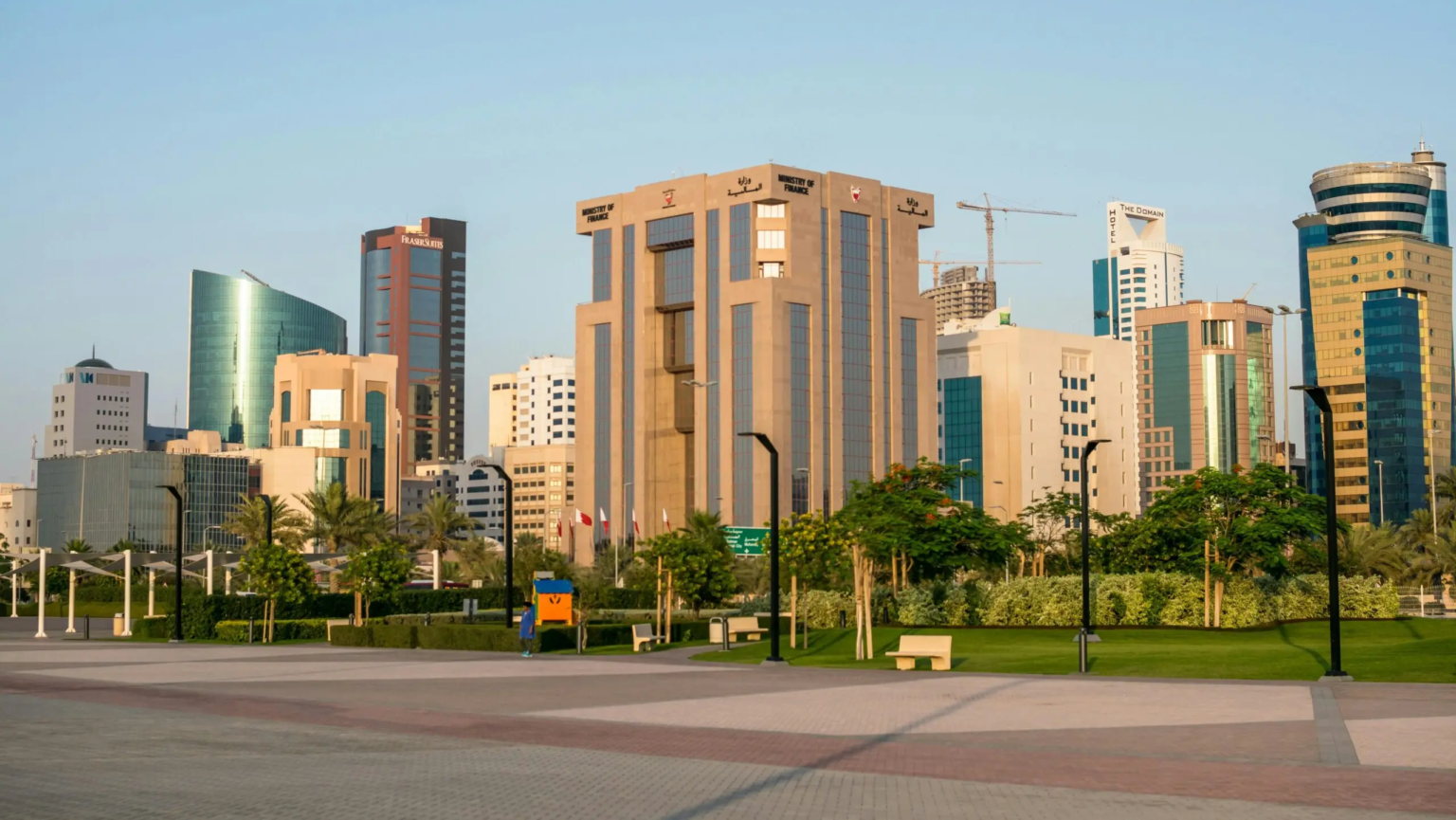
Bahrain has long been recognized as a dynamic hub for business and commerce in the Gulf region. Over the years, the kingdom has seen fluctuations in employment opportunities, influenced by both global trends and local economic decisions. Understanding what drives these shifts in job creation or reduction is essential for businesses, policymakers, and the workforce alike.
The job market in Bahrain is not static. Sectors such as finance, technology, tourism, and manufacturing have experienced rapid growth, while others face challenges that may lead to job reductions. Factors influencing employment go beyond mere economic performance; they touch on policy, innovation, workforce skills, and global market trends.
Economic Growth and Investment
One of the most significant factors affecting job creation in Bahrain is economic growth. When the economy thrives, businesses expand, leading to more hiring. Increased foreign investment, especially in sectors like finance, technology, and logistics, creates new employment opportunities.
Government initiatives that attract multinational corporations play a key role in this process. Incentives such as tax benefits, streamlined business regulations, and support for startups encourage companies to establish themselves in Bahrain, thereby generating jobs. On the flip side, periods of economic slowdown or reduced investment can result in workforce downsizing.
Sector-Specific Influences
Different sectors in Bahrain contribute uniquely to employment trends. The banking and finance sector has traditionally been a major employer, drawing in skilled professionals. With Bahrain positioning itself as a regional financial hub, banks and fintech companies expand their workforce to meet increasing demands.
The technology sector is also a major driver of job creation. Bahrain’s push towards digital transformation has led to a surge in opportunities for software developers, IT specialists, and cybersecurity experts. Conversely, sectors heavily reliant on traditional practices, such as some manufacturing industries, may face job reductions if modernization lags behind global trends.
Tourism and hospitality also significantly influence employment. The growth of international events, conventions, and leisure tourism fuels the demand for hospitality professionals, tour operators, and service staff. However, global challenges, such as pandemics or geopolitical uncertainties, can lead to job cuts in these sectors.
Government Policies and Reforms

Government policy plays a crucial role in shaping employment trends. Labor laws, minimum wage regulations, and workforce localization strategies directly impact the creation or reduction of jobs. Bahrain’s focus on “Bahrainization” aims to increase employment opportunities for nationals, encouraging companies to hire locally rather than rely heavily on expatriate labor.
Infrastructure development projects funded by the government also create substantial job opportunities. Large-scale projects in transport, construction, and energy sectors stimulate both direct and indirect employment. Conversely, delays in policy implementation or reduction in government spending can slow job growth, forcing companies to downsize.
Technological Advancements and Automation
Technological innovation is a double-edged sword in the employment landscape. On one hand, automation and AI solutions can reduce the need for manual labor, leading to job reductions in certain areas. On the other hand, these advancements create entirely new roles in IT, data analysis, and tech support.
Businesses that adopt new technologies must also invest in training and reskilling their workforce, which can mitigate job losses. Bahrain’s vision for a digital economy highlights the importance of balancing technology adoption with workforce development to ensure sustainable job creation.
Global Economic Factors
Bahrain does not operate in isolation; global economic conditions strongly influence its job market. Fluctuations in oil prices, regional trade agreements, and international investment trends can either stimulate job growth or result in workforce reductions.
For instance, a global increase in demand for financial services can boost employment in Bahrain’s banking sector. Conversely, economic recessions in key partner countries can reduce exports, disrupt supply chains, and trigger layoffs in manufacturing and trade sectors.
Workforce Skills and Education
The skills and qualifications of Bahrain’s workforce are critical in determining job creation. Industries seeking advanced expertise, such as technology, finance, and healthcare, require skilled professionals. Investment in education and vocational training ensures that the local workforce is prepared for emerging opportunities.
A mismatch between available skills and market demand can slow job creation. Companies may hesitate to expand if they cannot find qualified candidates locally, potentially leading to reliance on expatriates or outsourcing. Government programs that emphasize skill development and lifelong learning are therefore essential to sustain employment growth.
Entrepreneurship and Startups
Entrepreneurship plays a growing role in Bahrain’s employment landscape. Startups and small businesses contribute significantly to job creation, especially in innovative and knowledge-based sectors. Access to funding, mentorship programs, and government-backed incubators empowers local entrepreneurs to create new roles for themselves and others.
The rise of a startup ecosystem also encourages competition and innovation, leading to overall economic dynamism. Supporting entrepreneurship ensures that the economy remains resilient, even during periods of global uncertainty, and reduces the risk of widespread job reductions.
Social and Demographic Factors

Demographic trends influence both demand and supply in the labor market. Bahrain’s population structure, including the ratio of working-age citizens to retirees, affects job availability. A younger population entering the workforce increases competition for existing jobs but also fuels economic growth through consumption and innovation.
Cultural attitudes towards employment, gender participation in the workforce, and migration trends also impact job creation. Policies promoting inclusivity and diversity can unlock untapped potential, increasing overall employment opportunities.
Business Environment and Market Confidence
The overall business environment in Bahrain determines whether companies feel confident to hire or reduce staff. Stable political conditions, transparent regulations, and accessible financial markets create confidence, encouraging investment and job creation.
Conversely, economic uncertainty, regulatory hurdles, or political instability can prompt businesses to adopt cautious hiring strategies or implement workforce reductions. Maintaining a predictable and supportive business environment is therefore essential for sustained employment growth.
Conclusion: A Multifaceted Job Market
Job creation and reduction in Bahrain are influenced by a complex interplay of economic, social, technological, and policy factors. Economic growth, sector-specific developments, government policies, technological advancement, global trends, workforce skills, entrepreneurship, demographics, and market confidence all play a role in shaping the labor market.
For Bahrain to maintain strong employment levels, a holistic approach is necessary. This involves fostering investment, nurturing entrepreneurship, reskilling the workforce, embracing technology responsibly, and implementing inclusive policies. By understanding these factors, policymakers and businesses can create a resilient job market that supports long-term growth and prosperity.
The future of employment in Bahrain is bright, but it requires coordinated efforts across sectors. Job creation is not just a matter of numbers; it is about building a workforce that is adaptable, skilled, and prepared for the opportunities of tomorrow. With the right strategies, Bahrain can continue to grow as a hub for innovation, finance, and talent, ensuring sustainable employment for its citizens and residents alike.
Do Follow Gulf Magazine on Instagram
Read More:- Saudi Arabia vs Oman: Exciting Tips to Stream Every Goal Live 2025

