

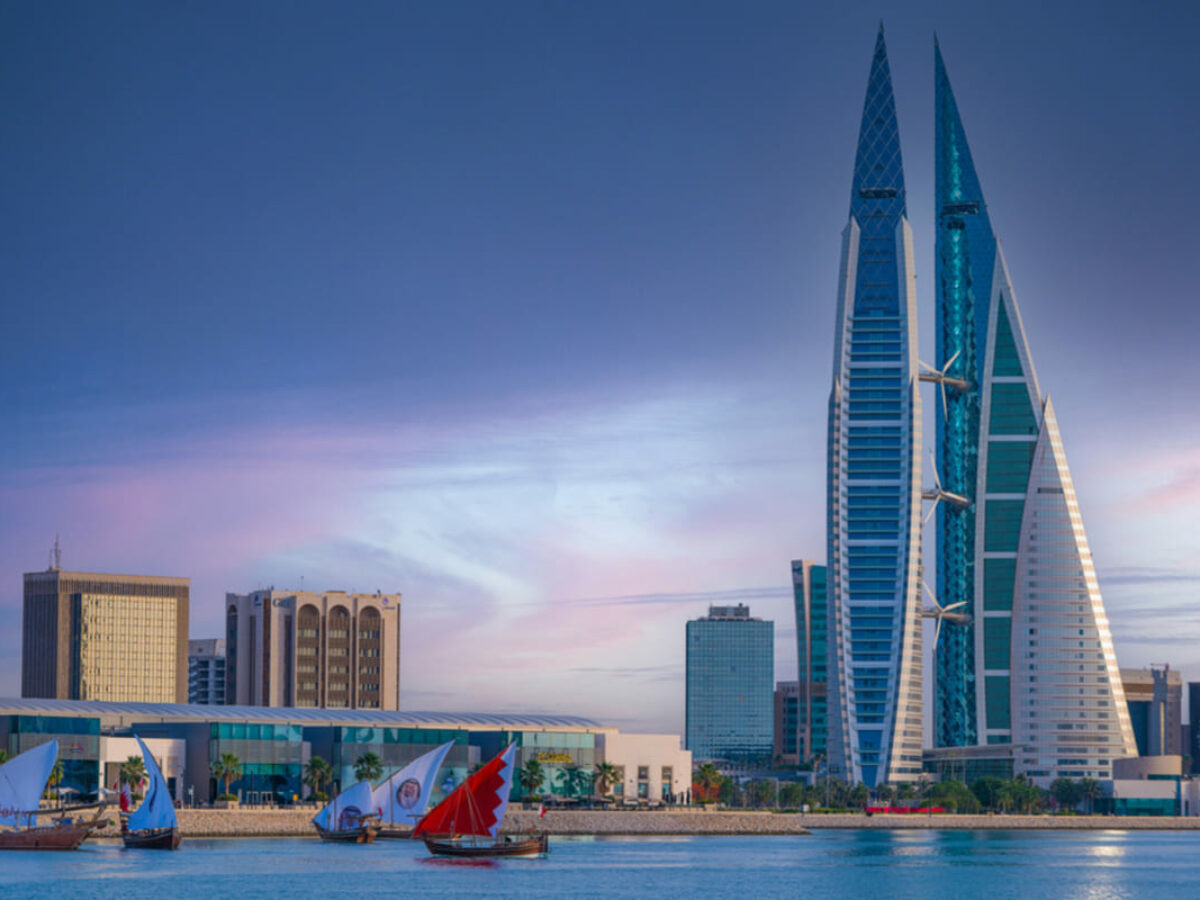
Bahrain, long recognized as a hub for business and culture in the Gulf, is now taking major steps to welcome foreign investors into its real estate market. Recent reforms have made property ownership more accessible for non-Bahrainis, offering promising opportunities for those looking to diversify investments or even settle in the Kingdom. If you are considering investing, understanding the landscape, regulations, and market trends is crucial to making smart decisions.
Why Bahrain is Attracting Foreign Property Investors
Bahrain has steadily positioned itself as one of the most open economies in the Gulf. Unlike some neighboring countries, the Kingdom has introduced policies that simplify foreign property ownership, making it attractive for investors seeking both commercial and residential opportunities.
Investors are drawn to Bahrain for several reasons: its strategic location, a strong financial sector, relatively lower property prices compared to other Gulf nations, and a progressive approach toward foreign investment. The government’s efforts to improve infrastructure, offer long-term residency options, and create a transparent property registration system have further enhanced its appeal.
Understanding Foreign Property Ownership in Bahrain
Foreign investors can now own property in designated areas across Bahrain. While previously restricted, recent changes allow non-Bahrainis to buy freehold properties in several key locations. Freehold ownership provides full property rights, including the ability to sell, lease, or inherit property.
However, not every area is open for foreign investment. The government has identified specific zones and developments where foreign ownership is permitted. Understanding these zones is critical before making any investment decisions to ensure compliance and secure long-term benefits.
Key Points for Foreign Buyers
- Eligibility: Most non-Bahraini investors can own residential or commercial property in approved areas. Some projects may have specific requirements, so reviewing regulations is important.
- Property Types: Options include apartments, villas, townhouses, and commercial units. New developments often offer modern amenities designed to attract foreign buyers.
- Investment Process: Purchasing property involves legal documentation, government approvals, and financial transactions, including registration fees and taxes. Working with local real estate agents or legal advisors can streamline this process.
- Residency Benefits: Certain property investments may qualify the owner for residency permits, allowing longer-term stays in Bahrain for business or personal reasons.
Economic and Market Trends Driving Growth
The Bahraini property market has shown steady growth due to multiple factors. Government initiatives to diversify the economy, investments in tourism, finance, and infrastructure, and a rising expatriate population have all contributed to a more dynamic real estate sector.
Property prices, while growing, remain competitive compared to Dubai or Abu Dhabi, offering an opportunity for investors to enter the market at relatively lower costs. The focus on mixed-use developments, waterfront projects, and lifestyle communities has also created attractive options for high-net-worth individuals and families.
Why Timing Matters
Timing is essential for foreign investors. Bahrain’s property market is at a growth stage, which means early investors could benefit from capital appreciation over the coming years. Understanding market cycles, upcoming developments, and government initiatives can maximize returns and reduce risks.
Legal and Financial Considerations
Investing in foreign property requires careful attention to legal and financial factors. Bahrain’s real estate laws are investor-friendly but demand due diligence.
- Property Registration: All property transactions must be registered with the Ministry of Justice, ensuring legal recognition and protection.
- Taxes and Fees: Bahrain does not levy property taxes, but buyers should account for registration fees, maintenance charges, and potential service fees.
- Financing Options: Some local banks offer mortgage facilities for foreign investors, but terms may vary. Understanding financial options is key to planning investment strategies.
- Legal Support: Engaging a local legal advisor can help navigate contracts, property laws, and compliance, ensuring a smooth investment process.
Tips for Smart Investment
Investing in Bahrain’s property market can be rewarding if approached strategically. Here are some practical tips for foreign investors:
- Research Locations: Focus on areas with high growth potential, proximity to commercial centers, and strong infrastructure.
- Understand the Market: Keep track of price trends, rental yields, and demand for specific property types.
- Work with Trusted Partners: Real estate agents, developers, and legal advisors familiar with foreign investment rules can provide invaluable guidance.
- Plan for Long-Term: Consider potential appreciation, rental income, and any eligibility for residency permits when making investment decisions.
- Visit Before Investing: Experiencing neighborhoods and developments firsthand provides clarity on lifestyle, amenities, and long-term value.
Benefits Beyond Financial Gains
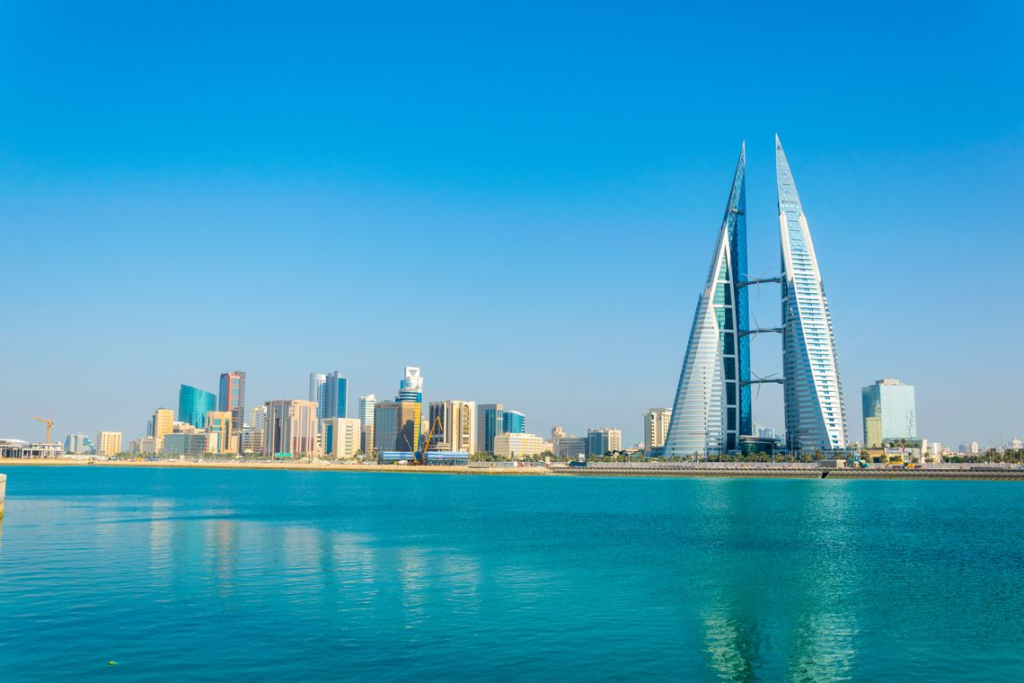
Investing in Bahrain is not only about property ownership. Foreign investors gain access to a welcoming business environment, strong banking systems, and a cosmopolitan lifestyle. Bahrain’s commitment to cultural inclusivity, safety, and quality of life makes it a desirable destination for families, professionals, and retirees alike.
Owning property in Bahrain can also serve as a gateway to regional opportunities. Its strategic location in the Gulf allows easy access to Saudi Arabia, Qatar, and the UAE, making it a valuable hub for business expansion or lifestyle relocation.
Challenges to Consider
While the opportunities are promising, potential investors should also consider challenges:
- Market Liquidity: Although growing, the market is smaller than neighboring Gulf nations, which may affect the speed of property resale.
- Regulatory Changes: Continuous monitoring of government regulations is essential, as policies can evolve over time.
- Cultural and Lifestyle Adaptation: Moving to Bahrain requires understanding local customs, legal frameworks, and social norms to ensure a smooth transition.
Final Thoughts
Bahrain’s opening of its property market to foreign investors represents a significant opportunity in the Gulf region. With strategic planning, thorough research, and professional guidance, investors can secure valuable assets, enjoy residency benefits, and participate in a growing economy.
The Kingdom’s combination of investor-friendly policies, competitive property prices, and high quality of life makes it an attractive destination for those seeking both financial growth and lifestyle enhancement. By understanding the market, legal requirements, and potential risks, foreign investors can confidently navigate Bahrain’s real estate landscape and make the most of this emerging opportunity.
Investing in Bahrain today is not just about buying property; it’s about securing a foothold in a dynamic economy and lifestyle destination that promises growth, stability, and long-term value.
Do Follow Gulf Magazine on Instagram
Read More:- Oman’s Bold Water Investment Signals a Sustainable Economic Breakthrough 2025

