

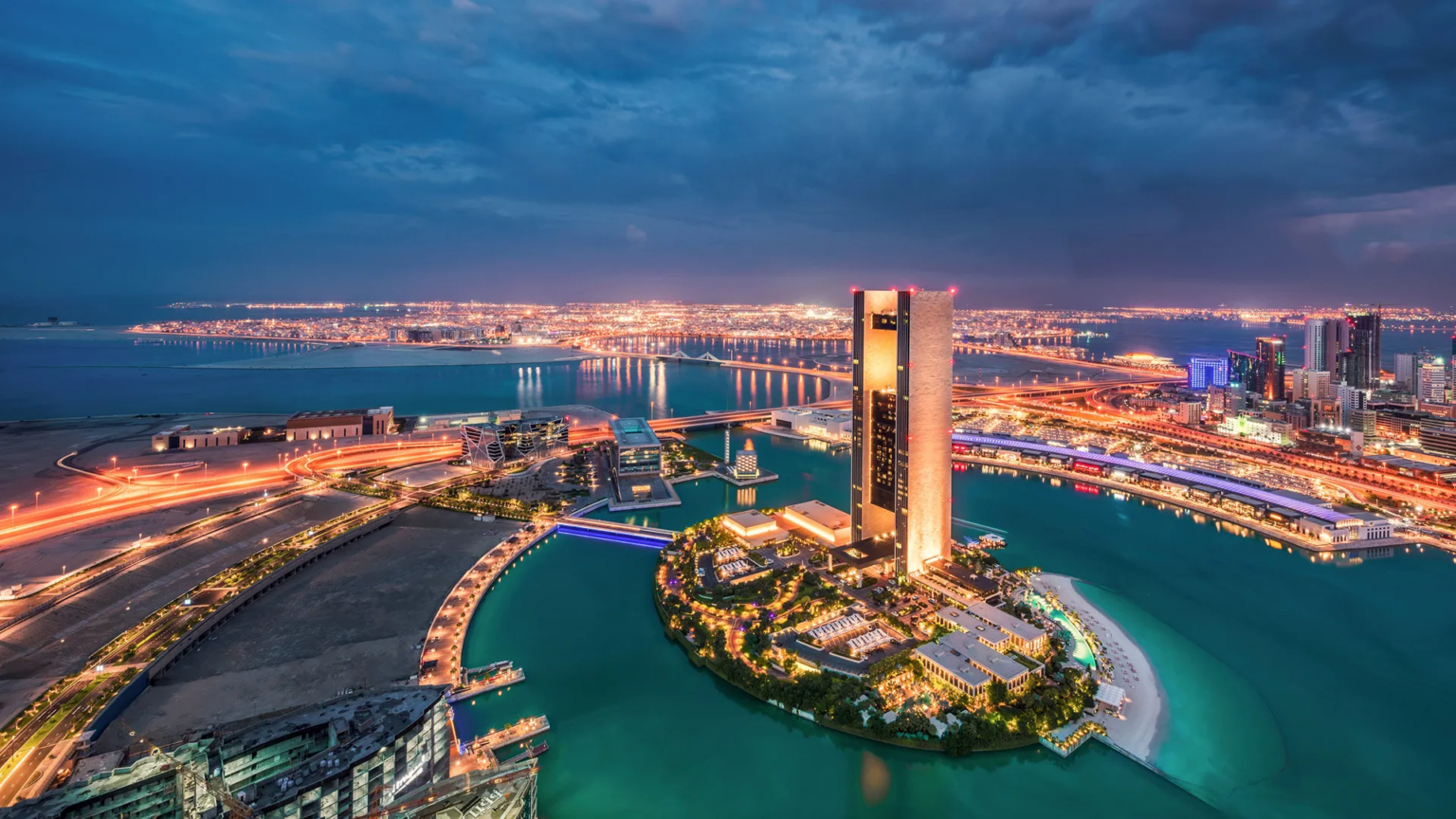
When leaders of the Gulf Cooperation Council gathered in Bahrain, the atmosphere extended far beyond protocol, polished speeches, and official photographs. Beneath the formal setting lay something far more meaningful—a collective attempt to reshape regional stability, redefine cooperation, and set long-term rules for coexistence in a fast-changing world. Much like the historic Congress of Vienna in 1815, the Bahrain summit carried the weight of a turning point, where diplomacy was not about reacting to crises but about designing a future.
The Congress of Vienna came at a moment when Europe was exhausted by upheaval and war, desperate for balance and durability. The GCC summit echoed that spirit. It was not centered on dramatic announcements or confrontations, but on quiet consensus-building, mutual reassurance, and shared responsibility. In many ways, it reflected a mature confidence among Gulf states—a sense that the region now has both the influence and the urgency to shape its own destiny.
Why the Congress of Vienna Still Matters Today
To understand the symbolism of the Bahrain summit, it helps to revisit why the Congress of Vienna remains such a powerful historical reference.
A Diplomatic Reset After Chaos
In 1815, Europe was emerging from decades of revolutionary turmoil and conflict. The Congress of Vienna brought together rival powers with one main goal: restore stability without igniting another cycle of destruction. Rather than pursuing revenge or dominance, leaders focused on balance, legitimacy, and long-term peace.
This spirit resonates strongly with today’s Gulf region, which has experienced years of geopolitical tension, economic uncertainty, and shifting global alliances. The Bahrain summit reflected a similar desire to move past reactionary politics and toward sustainable regional order.
The Power of Consensus Over Conflict
The Congress of Vienna succeeded not because it erased disagreements, but because it managed them through diplomacy and compromise. That lesson feels particularly relevant in the GCC context, where differing national priorities coexist with shared cultural, economic, and security interests.
The Bahrain summit highlighted how Gulf states are increasingly choosing dialogue over division, coordination over competition.
Bahrain as a Symbolic Host
The choice of Bahrain as the host carried significance beyond logistics.
A Bridge Between Tradition and Modern Diplomacy
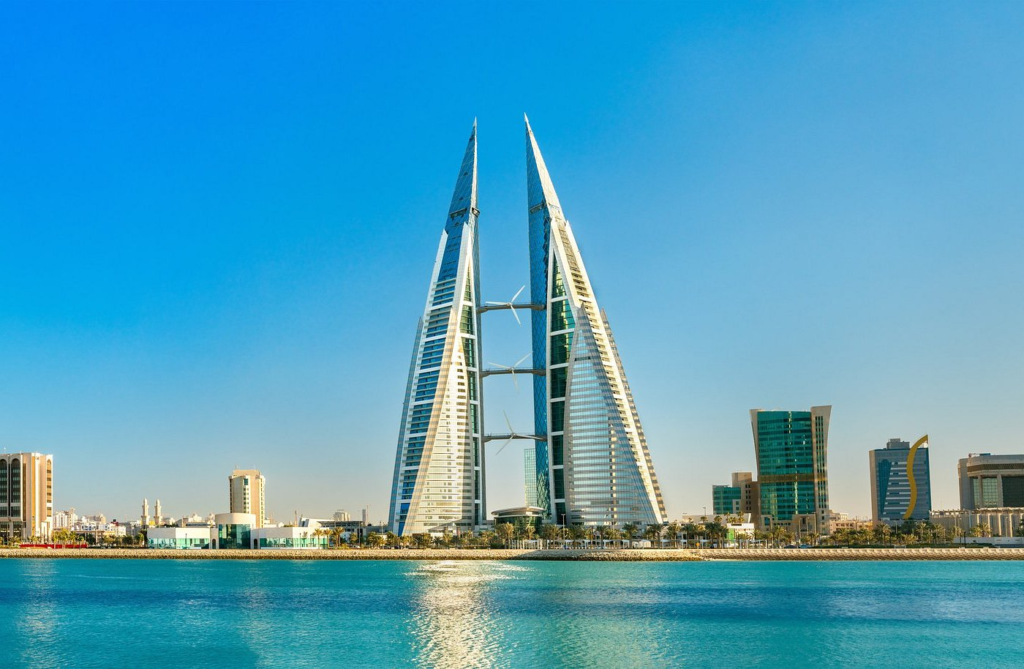
Bahrain has long positioned itself as a mediator and connector—small in size yet influential in diplomacy. Hosting the summit reinforced its role as a place where dialogue thrives and consensus can emerge.
Just as Vienna served as neutral ground for Europe’s great powers, Bahrain provided a setting conducive to thoughtful, measured conversation rather than grandstanding.
Quiet Leadership in a Noisy World
In a global environment often dominated by loud rhetoric, Bahrain’s hosting style reflected a preference for calm diplomacy. The summit emphasized listening, alignment, and shared vision rather than public disagreement.
A Region Rewriting Its Own Narrative
One of the strongest echoes of the Congress of Vienna was the sense that Gulf leaders were not merely managing present challenges but consciously shaping the future.
From Crisis Management to Long-Term Strategy
In previous decades, regional summits often focused on immediate security threats or short-term economic needs. The Bahrain gathering suggested a shift toward long-range planning, including economic diversification, regional integration, and geopolitical balance.
This mirrors the Vienna Congress’s emphasis on constructing a system designed to last decades, not just years.
Economic Stability as a Pillar of Peace
Economic cooperation formed a central undercurrent of the discussions. From energy transitions to investment flows and trade integration, leaders acknowledged that sustainable prosperity is inseparable from political stability.
Much like post-Napoleonic Europe sought economic normalization to prevent future conflict, the GCC appears focused on prosperity as a unifying force.
Unity Without Uniformity
Perhaps the most Vienna-like aspect of the summit was the recognition that unity does not require sameness.
Respecting Sovereignty While Strengthening the Collective
GCC members remain distinct in governance styles, economic models, and foreign policy approaches. The Bahrain summit did not attempt to erase those differences. Instead, it sought to align interests where possible while respecting national autonomy.
This approach closely parallels the Congress of Vienna’s balance-of-power logic—allowing diversity within a shared framework.
A New Maturity in Gulf Diplomacy
The summit reflected a regional maturity shaped by experience. Past disagreements have taught leaders the cost of fragmentation. The tone in Bahrain suggested that lessons have been learned and internal cohesion is now viewed as a strategic asset.
Security Through Balance, Not Escalation
Security discussions at the summit carried subtle but important messages.
De-escalation as a Strategic Choice
Rather than emphasizing military postures or confrontation, the summit highlighted coordination, communication, and risk reduction. This approach aligns strongly with the Vienna settlement, which aimed to prevent dominance by any single power and reduce the likelihood of future wars.
The GCC’s evolving security narrative appears less about deterrence alone and more about stability through predictability.
Regional Responsibility in a Shifting Global Order
As global power dynamics shift, Gulf states recognize that relying solely on external guarantees is no longer sufficient. The Bahrain summit suggested a growing consensus that regional security must increasingly be shaped from within.
This self-driven approach echoes the European realization in 1815 that stability required internal agreement, not constant intervention from outside forces.
The Human Element of Diplomacy
Beyond policy frameworks and joint statements, the Bahrain summit stood out for its human tone.
Relationships Matter as Much as Agreements
Private conversations, informal exchanges, and personal rapport played an essential role. Much like the salons and social gatherings of Vienna, these moments helped soften differences and build trust.
Diplomacy, after all, is as much about people as it is about policies.
A Shared Sense of Responsibility
There was an underlying acknowledgment that leadership today carries generational responsibility. Decisions made now will shape the Gulf’s social, economic, and political landscape for decades to come.
This echoes the mindset of the Vienna negotiators, who understood they were shaping history beyond their own lifetimes.
What This Means for the GCC’s Future
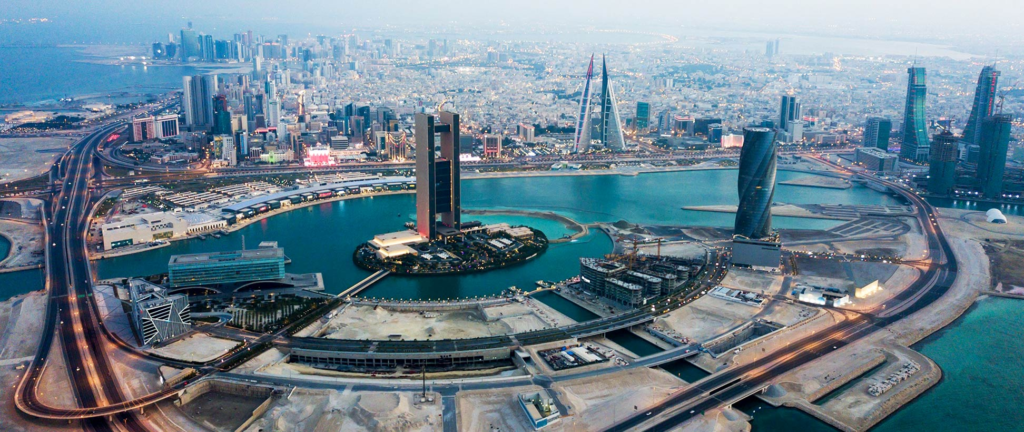
The Bahrain summit may not be remembered for a single dramatic announcement, but its long-term impact could prove profound.
A Framework for Enduring Cooperation
If the spirit of the summit translates into sustained coordination, the GCC could enter a phase of deeper integration and greater global influence. The emphasis on balance, inclusion, and long-term thinking lays the groundwork for resilience in an unpredictable world.
Learning From History Without Repeating It
The Congress of Vienna ultimately succeeded because its architects prioritized stability over ego. The GCC summit suggests Gulf leaders are drawing from that same wisdom, choosing pragmatism over rivalry.
History does not repeat itself exactly, but its echoes can guide decision-making. Bahrain’s gathering demonstrated that the Gulf is listening.
A Quietly Historic Moment
Like the Congress of Vienna, the GCC summit in Bahrain may only be fully understood in hindsight. Its real significance lies not in headlines but in its tone, intent, and vision.
It marked a moment when Gulf leaders collectively signaled that the future of the region will be shaped through cooperation, balance, and thoughtful diplomacy—not reaction or division. In doing so, they affirmed that history’s most valuable lessons are not about power alone, but about the wisdom to use it carefully.
The echoes of Vienna were not about nostalgia. They were about confidence—the confidence of a region ready to write its own chapter of stability, on its own terms.
Do Follow Gulf Magazine on Instagram
Read More:- Oman’s Bold Water Investment Signals a Sustainable Economic Breakthrough 2025

