

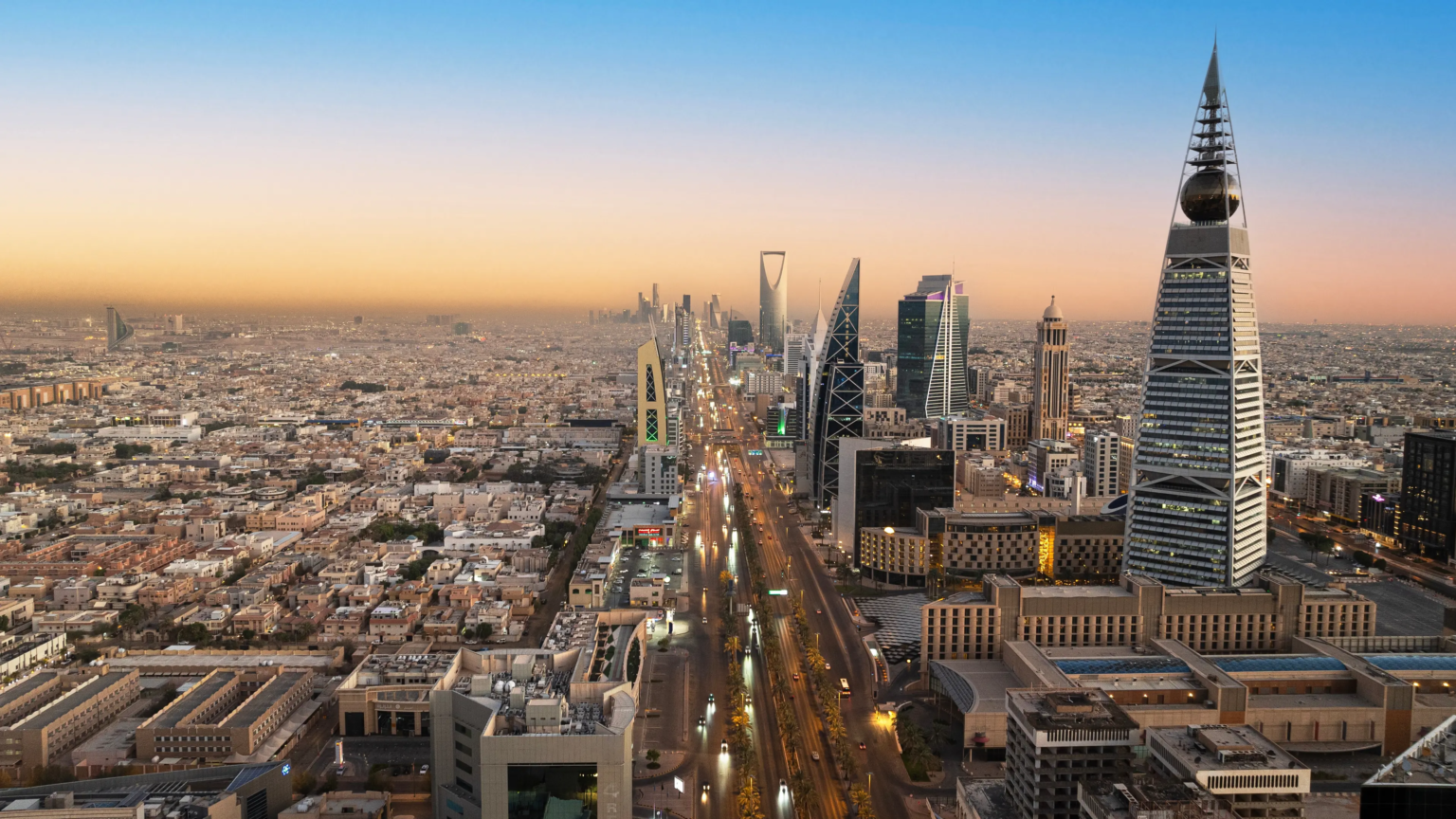
For decades, Saudi Arabia stood firm on a strict alcohol ban rooted in religious tradition and enforced for nearly 73 years. In 2024, the kingdom took a cautious first step by opening a liquor store in the capital’s diplomatic quarter but only for non‑Muslim diplomats. Fast forward to late 2025, and the store’s doors have quietly opened wider: now non‑Muslim foreign residents, provided they meet certain financial criteria, can legally purchase alcohol.
This change may seem incremental but for a nation so deeply rooted in religious injunctions, it marks a historic cultural pivot.
Who Gets Access—and What’s the Catch?
The new policy doesn’t grant universal access. To shop at the approved liquor outlet in Riyadh, non‑Muslim residents must prove they earn at least 50,000 Saudi riyals per month (roughly US$13,300)—well above the country’s average income.
Potential buyers must present a valid salary certificate and residency documentation. The store reportedly verifies income via official Saudi platforms before granting entry.
This means that the privilege is effectively limited to high‑earning expatriates investors, skilled professionals, senior staff in big companies—not the majority of foreign workers who comprise a large part of the workforce.
What’s Allowed — And What’s Still Off‑Limits?
Even with this loosening, the system remains tightly controlled.
- Alcohol is sold only through a single authorised outlet (for now).
- Purchases are reportedly subject to a quota or allowance system, likely regulated via a state‑linked app.
- The policy remains restricted to non‑Muslims. The sale and consumption for Muslims remain prohibited under Sharia law.
- Public consumption, retail shops, home brewing or private sale remain banned.
In short: it’s a luxury privilege, not a broad social liberalization.
Why This Shift — What’s Driving Change?
The reform seems to reflect a broader strategy by Saudi leadership to modernize and attract global talent, investment, and tourism under Vision 2030.
By easing certain cultural restrictions—albeit selectively the government signals openness to foreign professionals and investors who might expect amenities common in global urban hubs. The introduction of alcohol for affluent expats might help the Kingdom compete with neighboring Gulf states when it comes to attracting skilled foreigners and global businesses.
Moreover, reports suggest plans to open more liquor outlets in other cities (like Jeddah and Dammam), especially in areas with expatriate compounds or corporate staff further indicating this could be the start of gradual liberalization.
What It Means for Residents, Expatriates, and Saudi Society
For wealthy expats and foreign professionals living in Saudi Arabia, this change brings a sense of normalcy and a small slice of the freedoms they may have enjoyed elsewhere. It removes one barrier to living comfortably abroad, especially for those moving from more liberal societies.
However, for many expatriates—especially lower‑income workers—the change won’t make a difference. The high income threshold effectively excludes them, meaning the majority of foreign workers who contribute to the economy won’t see any benefit.
On a broader level, this limited relaxation may feed wider conversations in Saudi society about tradition, modernity, and identity. The move carefully maintains religious and cultural boundaries while allowing selective adaptation to global norms. It reflects a delicate balance: reform without radical upheaval.
What’s Next — Is This the Start of a New Era?
At present, the reform remains modest and understated. There’s no official sweeping announcement; instead, changes seem to be happening quietly, through policy adjustments and new regulations shared through informal channels.
But the expansion of alcohol access may represent a starting point for more gradual social liberalization. With plans (reported by media) to open additional stores beyond Riyadh, and with growing interest from foreign investors and expatriates, this could be the first of several steps reshaping Saudi Arabia’s social landscape.
If more restrictive practices around alcohol (and perhaps other lifestyle regulations) gradually soften, Saudi Arabia could be positioning itself for a future where conservative tradition and global living standards coexist—offering a hybrid identity to new generations and global citizens.
Only time will tell how far this quiet transformation will go—and whether it will eventually lead to broader reforms across daily life, hospitality, and culture in the Kingdom.
Why This Matters
For decades, Saudi Arabia’s alcohol ban stood as one of the clearest symbols of its religious conservatism. This reinterpretation doesn’t just change one policy it signals an evolving mindset. For global business, it improves Saudi Arabia’s appeal as an expat destination. For social dynamics, it sparks a shifting balance between tradition and modern global norms. Whether cautious or ambitious, this alcohol‑policy shift could mark the beginning of a subtle but real transformation in one of the world’s most traditionally rigid societies.
Do Follow Gulf Magazine on Instagram
Read More:- Gulf Leaders Shape a Bold New Regional Order 2025

